You’ve just had a knee replacement, and now you’re wondering: how often should you exercise to heal well and get back to your daily life? Finding the right balance between moving enough and not overdoing it can feel confusing.
But the truth is, exercising regularly after your surgery is key to reducing stiffness, building strength, and regaining your knee’s full function. You’ll discover exactly how often to exercise, which movements help the most, and what you should avoid to protect your new knee.
Keep reading to take control of your recovery and move confidently toward a stronger, more flexible you.
Credit: orthoinfo.aaos.org
Best Exercises After Knee Replacement
Progressing your workout after knee replacement involves gradually increasing activity to build strength and balance. Each step helps improve knee function and supports your recovery. Start with simple movements and advance as comfort allows. Consistency matters more than speed. Always listen to your body and avoid pushing through pain.
Walking On Stable Surfaces
Walking on flat, stable surfaces boosts knee strength and endurance. Begin with short distances and steady pace. This low-impact exercise helps improve joint mobility and circulation. Avoid uneven ground to reduce fall risk. Use supportive shoes for comfort and safety.
Wall Slides And Sits
Wall slides and wall sits strengthen the thigh muscles around your knee. Stand with your back against a wall and slowly slide down. Hold the position briefly, then slide back up. This exercise builds stability and improves knee flexion. Do it gently to avoid strain.
Standing Knee Flexion
Standing knee flexion targets the muscles that bend the knee. Use a chair or countertop for balance. Slowly bend your knee as far as comfortable and hold for a few seconds. This movement increases range of motion and muscle control. Repeat on both legs evenly.
Single-leg Balance Training
Single-leg balance training improves stability and proprioception. Stand near a sturdy surface to hold for support. Lift one foot off the ground and balance on the other leg. Try to hold the position for 10 to 30 seconds. Switch legs and repeat to build equal strength.
Step-ups For Strength
Step-ups strengthen your knee and improve functional movement. Use a low step or platform. Step up with one foot, then bring the other foot up. Step down slowly and repeat. This exercise helps build muscle power and prepares you for daily activities. Increase height or repetitions as strength grows.

Credit: practiceplusgroup.com
Credit: www.orthobethesda.com
Frequently Asked Questions
What Is The Best Exercise After Total Knee Replacement?
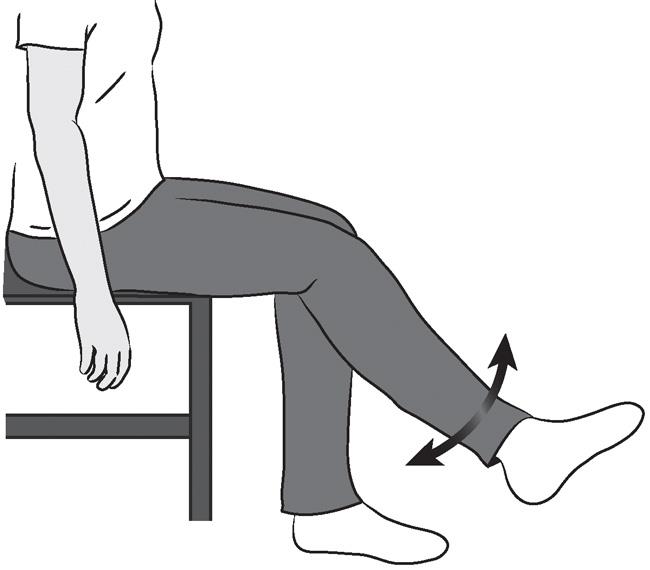
The best exercises after total knee replacement include heel slides, quad sets, straight leg raises, ankle pumps, and stationary biking. These strengthen muscles, improve range of motion, and enhance balance. Always follow your physical therapist’s guidance and avoid high-impact activities to protect the new joint.
How Long Does It Take For Knee Stiffness To Go Away After Knee Replacement?
Knee stiffness usually improves within 6 to 12 weeks after knee replacement surgery. Consistent physical therapy speeds recovery. Some stiffness may persist up to 6 months but generally lessens over time. Follow your therapist’s exercises to regain flexibility and reduce stiffness effectively.
Can You Do Too Much Exercise After Knee Replacement?
Exercising too much after knee replacement can cause pain, swelling, and damage. Follow your physical therapist’s guidance for safe activity levels.
How Often Should I Do My Exercises After Knee Surgery?
Exercise after knee surgery should be done daily or as your physical therapist advises. Start with gentle movements and gradually increase intensity. Avoid high-impact activities. Consistency aids healing, improves strength, and restores motion. Always listen to your body and follow professional guidance to prevent injury and ensure safe recovery.
Conclusion
Regular exercise after knee replacement supports healing and mobility. Start with gentle movements daily to reduce stiffness and improve blood flow. Gradually increase activity under your therapist’s guidance to build strength and balance. Avoid high-impact exercises that can harm the new joint.
Listen to your body and rest if you feel pain or discomfort. Consistency matters more than intensity for lasting recovery. Staying active helps you regain independence and enjoy everyday activities again. Keep your routine simple, safe, and steady for the best results after knee surgery.

“As the voice behind Radiant Glow Health, we are dedicated to being your ultimate wellness and vitality companion. Our mission is to inspire and guide you on your journey to a healthier and more vibrant life. Join us as we explore holistic health practices and empower you to radiate wellness from within.”