Recovering from knee replacement surgery can feel overwhelming, especially when you’re eager to get back to activities you enjoy. If you’re wondering, “When can you use an exercise bike after knee replacement?” you’re not alone.
Using a stationary bike is a popular and effective way to regain strength and improve flexibility, but timing and technique matter a lot. You’ll discover the safest way to start cycling again, how to listen to your body during recovery, and tips to make your comeback smooth and successful.
Keep reading to find out exactly when and how you can hop on that exercise bike to support your healing journey.
Timing To Start Biking
Knowing the right time to start using an exercise bike after knee replacement is important. Starting too early or too late can affect recovery. The timing depends on your healing progress and medical advice. Following a clear plan helps you gain strength without harming your new knee.
First Week Expectations
In the first week after surgery, focus on rest and gentle movements. The knee will be swollen and tender. Avoid putting strain on the joint. Light leg exercises and walking with support are best. Using an exercise bike is usually not recommended this early.
One To Two Weeks Post-surgery
Between one and two weeks, healing continues and stiffness may improve. Some patients start very gentle cycling with low resistance. Pedaling slowly helps increase blood flow and range of motion. Pain should be mild or absent during this activity. Always keep the seat height comfortable to avoid strain.
Surgeon And Therapist Approval
Before starting exercise biking, get approval from your surgeon or physical therapist. They assess your knee’s healing and stability. Professionals guide you on the right intensity and duration. Follow their instructions carefully to avoid setbacks. Their approval ensures safe progress in your recovery journey.
Benefits Of Using Exercise Bike
Using an exercise bike after knee replacement offers many benefits. It helps you regain strength and stay active without risking your new joint. Regular cycling supports healing and improves overall health. The exercise bike is gentle on your knee while encouraging movement.
Pain Relief And Fitness
Pedaling on an exercise bike can reduce knee pain. It promotes blood flow and eases stiffness. This gentle activity builds muscle around the knee. Strong muscles protect the joint and lower discomfort. Cycling also boosts heart health and fitness levels.
Improved Range Of Motion
Exercise bikes help increase knee movement after surgery. Slow, steady pedaling stretches the joint safely. This improves flexibility and helps avoid stiffness. Better range of motion makes daily tasks easier. Consistent use supports faster recovery and better knee function.
Low-impact Joint Activity
Cycling is a low-impact exercise that protects your knee. It puts less stress on the joint than walking or running. The smooth motion avoids sudden shocks or pressure. This reduces the chance of injury or pain. Low-impact workouts are ideal during early rehab stages.
Choosing The Right Bike
Choosing the right exercise bike after knee replacement is important for safe recovery. The bike should support gentle movement while avoiding strain. Picking a bike that fits your needs helps you exercise comfortably and steadily. Focus on features that protect your knee and allow gradual progress.
Stationary Vs Recumbent Bike
Stationary bikes have an upright position and mimic regular biking. They help improve knee mobility and build strength. Recumbent bikes offer a reclined seat with back support. This reduces pressure on the knee and can feel more comfortable. For early rehab, recumbent bikes often provide better stability and less joint stress.
Adjusting Seat Height
Seat height affects knee bend and comfort while pedaling. Set the seat so your knee bends slightly at the bottom of the pedal stroke. Too high or too low can cause pain or reduce workout benefit. Adjust the seat slowly and test small changes. Proper height keeps your knee safe and improves exercise efficiency.
Pedal Resistance Settings
Start with low resistance to avoid stressing the new knee. Low resistance encourages smooth, controlled motion. Gradually increase resistance as your knee gets stronger. Avoid high resistance early on, which may cause pain or injury. Adjust resistance based on your comfort and recovery stage.
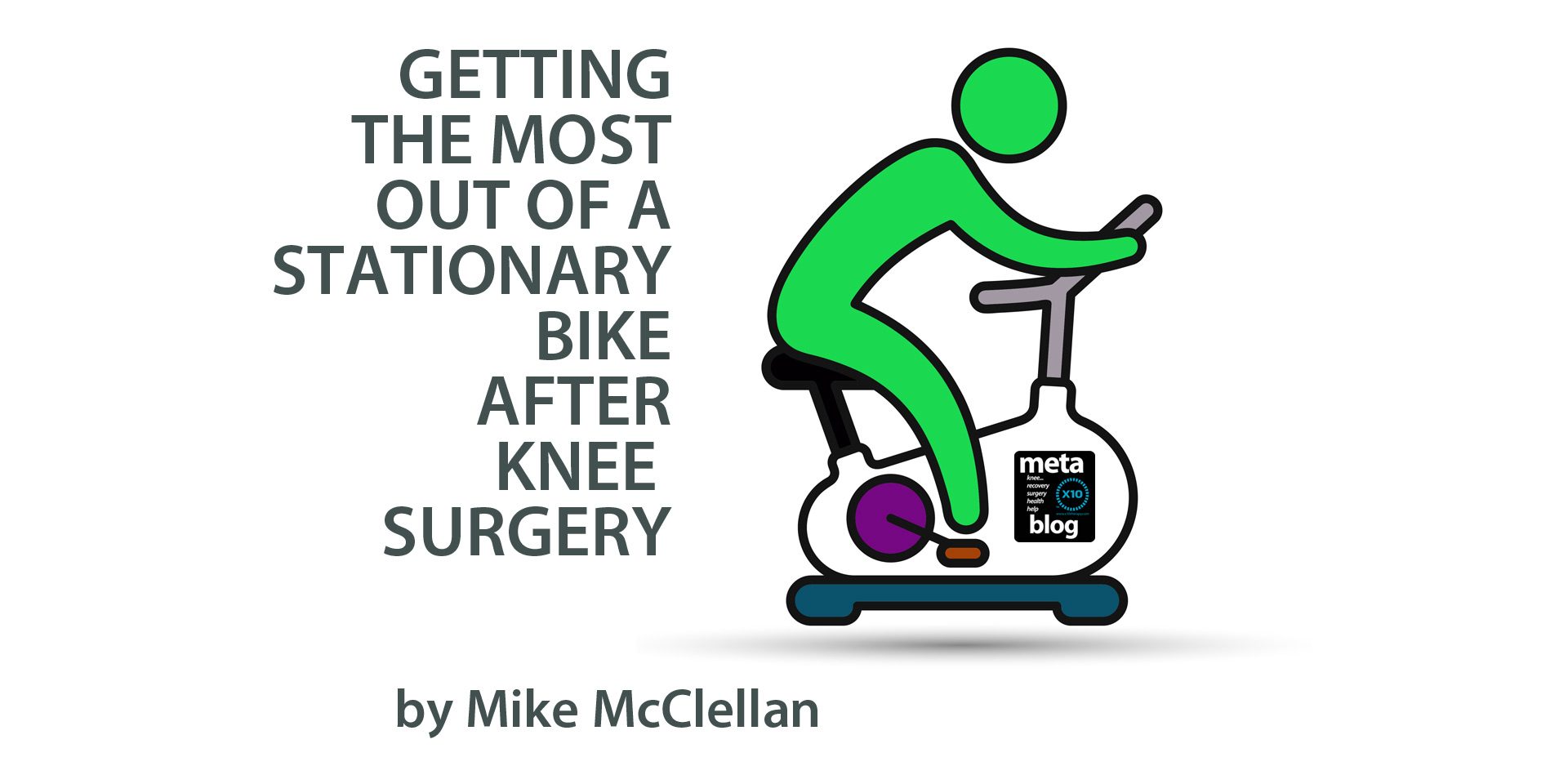
Credit: x10therapy.com
Starting Safely On The Bike
Starting safely on the exercise bike after knee replacement is essential for a smooth recovery. It helps rebuild strength and improves knee mobility. Taking careful steps can prevent injury and reduce pain. Begin slowly and focus on gentle movements to protect your new joint.
Following simple guidelines ensures you get the most benefit without overdoing it. Proper technique and paying attention to your body signals are key parts of this process.
Begin With Low Intensity
Start with low intensity to avoid stressing the knee. Set the bike resistance to the easiest level. Pedal slowly at first, around 10 to 15 minutes per session. This helps your knee adjust to the motion. Gradually increase time and resistance as you feel stronger and more comfortable.
Backward Pedaling Technique
Try pedaling backward to gently stretch the knee muscles. This movement can improve flexibility and range of motion. It also reduces pressure on the front of the knee. Keep the speed slow and controlled. Stop if you feel any sharp pain or discomfort.
Listening To Your Body Signals
Pay close attention to how your knee feels during and after biking. Mild soreness is normal, but sharp pain is a warning sign. Stop exercising if you feel pain or swelling. Rest and consult your doctor or therapist before continuing. Your body guides the pace of your recovery.
Proper Form And Posture
Using an exercise bike after knee replacement requires focus on proper form and posture. Good habits protect your new joint and support healing. Correct positioning reduces strain and improves comfort during exercise.
Paying attention to how you sit and move on the bike helps avoid injuries. Posture and smooth movements also enhance the benefits of cycling for knee recovery.
Maintaining Good Posture
Sit upright with your back straight and shoulders relaxed. Avoid slouching or leaning too far forward. Keep your core engaged to support your spine.
Adjust the seat height so your knee bends slightly at the bottom of the pedal stroke. This prevents overextension and reduces joint stress. Proper seat height also helps your muscles work efficiently.
Avoiding Hip Hiking
Hip hiking means lifting one hip to reach the pedal. This movement strains your lower back and weakens the knee. Keep your hips level throughout the pedaling motion.
Focus on using your leg muscles to push the pedals. If you notice your hip rising, slow down and reset your position. A smooth, balanced ride protects your knee and back.
Pedaling Smoothly
Pedal with a steady, circular motion. Avoid jerky or fast pushes that can cause pain. Smooth pedaling reduces pressure on the knee joint and improves muscle control.
Start at a slow pace. Increase speed only as comfort allows. Gentle, controlled movements help your knee regain strength and flexibility safely.

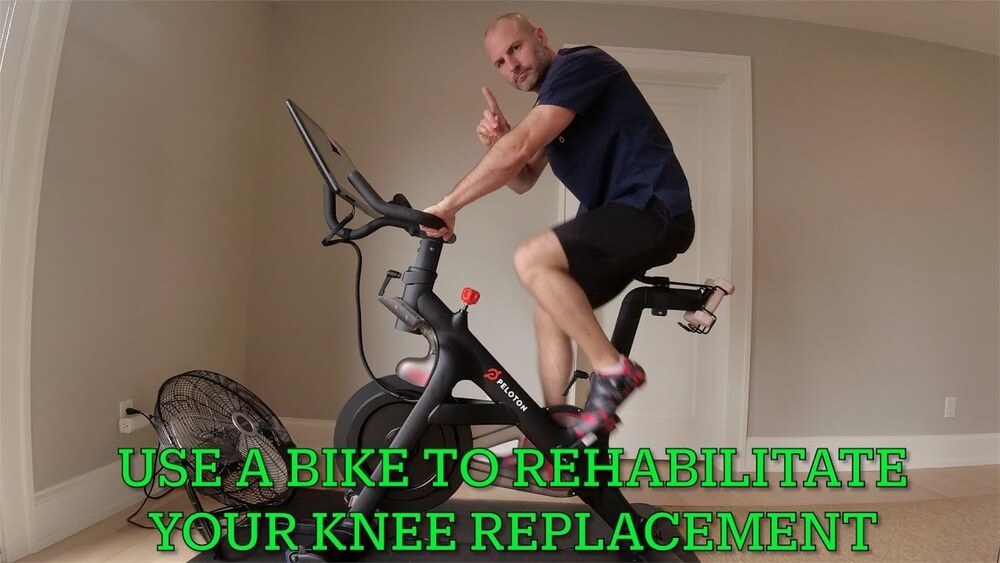
Credit: www.youtube.com
Progressing Your Workout
Progressing your workout after knee replacement requires patience and care. Start with gentle movements and slowly build up your routine. This approach helps your knee heal while improving strength and flexibility. Pay close attention to how your knee responds as you increase your activity. A steady, controlled progression reduces the risk of injury and supports long-term recovery.
Increasing Speed Gradually
Begin pedaling at a slow, comfortable pace. Avoid rushing or pushing too hard. After several sessions without pain, try to increase your speed slightly. Small increments, like 1 to 2 RPM, work best. Keep your movements smooth and controlled. Faster pedaling improves blood flow and builds endurance without straining your knee.
Raising Resistance Levels
Once your speed is steady, start increasing resistance on the exercise bike. Use low resistance at first to avoid stress on your new joint. Add resistance slowly over days or weeks. This strengthens your knee muscles and improves joint stability. Stop increasing resistance if you feel sharp pain or discomfort.
Monitoring Pain And Discomfort
Listen to your body closely during every workout. Mild soreness is normal, but sharp pain is a warning. If pain or swelling occurs, reduce your speed or resistance. Rest and ice can help reduce inflammation. Always inform your physical therapist or doctor about ongoing discomfort. They can guide your progress safely.
Common Challenges And Solutions
Starting to use an exercise bike after knee replacement brings some common challenges. These challenges can make recovery harder. Knowing solutions helps ease the process. This section covers stiffness, swelling, and when to rest. Each issue affects your ability to bike safely and comfortably. Simple strategies can improve your experience and speed up healing.
Dealing With Stiffness
Stiffness often happens after knee surgery. It limits your knee movement and causes discomfort. Gentle cycling helps loosen the joint. Start with short sessions at low resistance. Stretch your knee before and after biking. Warm showers or heat packs can reduce stiffness too. Regular movement prevents the joint from becoming too tight.
Managing Swelling
Swelling is common after knee replacement. It may increase after exercise bike use. To manage swelling, keep your leg elevated after biking. Use ice packs on the knee for 15 to 20 minutes. Wear compression socks if recommended by your doctor. Drink plenty of water to help flush out fluids. Avoid overdoing exercise to keep swelling under control.
When To Stop And Rest
Listen to your body during exercise. Stop biking if you feel sharp or increased pain. Rest if swelling or stiffness worsens. Overuse can delay healing and cause more problems. Take breaks and reduce bike time as needed. Follow your doctor or therapist’s advice about rest periods. Rest helps your knee recover and get stronger.
Integrating Bike Exercise With Rehab
Integrating bike exercise into knee replacement rehab supports healing and builds strength. The exercise bike offers a controlled way to improve knee mobility. Using it properly speeds recovery and reduces stiffness.
Timing and method matter. You must fit biking carefully with other rehab activities. Coordination with your therapy plan ensures steady progress without injury. The following tips help you combine bike exercise with your rehab effectively.
Combining With Stretching
Stretching before and after biking loosens knee muscles. Gentle stretches reduce tightness and prepare joints for movement. Focus on hamstrings, calves, and quadriceps. Stretching prevents cramps and supports better pedal motion. Keep stretches light to avoid strain on the new knee.
Physical Therapy Coordination
Work closely with your physical therapist on exercise bike use. They guide when to start and how long to ride. Your therapist adjusts the bike settings to match your recovery stage. They balance biking with strength and balance exercises. This teamwork helps protect the joint and improve function safely.
Tracking Recovery Milestones
Monitor your progress while using the exercise bike. Note pain levels, knee stiffness, and pedal ease. Track session duration and resistance changes. Celebrate small gains like longer rides or higher resistance. Regular tracking motivates and informs your therapy adjustments. Share updates with your healthcare team for best results.

Credit: x10therapy.com
Frequently Asked Questions
Is A Stationary Bike Good For Knee Rehab?
A stationary bike aids knee rehab by improving mobility and reducing pain. Start low intensity, increase speed and resistance gradually. Always get approval from your healthcare provider before beginning. Stop if you feel pain and maintain proper posture to avoid strain.
When Can I Start Using An Exercise Bike After Knee Replacement?
Most patients can begin using a stationary bike one to two weeks post-surgery. Always get approval from your surgeon or physical therapist before starting. Begin with low resistance and slow pedaling to avoid stressing the new joint.
Is A Stationary Bike Safe For Knee Replacement Rehab?
Yes, low-intensity stationary biking is safe and effective for knee rehab. It helps improve joint mobility, reduces stiffness, and enhances muscle strength without high impact on the knee.
How Should I Start Exercising On A Bike After Surgery?
Start slow with minimal resistance and short sessions. Adjust the seat height properly to avoid knee strain. Listen to your body and stop if you feel any pain or discomfort.
Conclusion
Starting to use an exercise bike after knee replacement depends on your healing. Always get approval from your doctor or therapist first. Begin with slow, gentle pedaling to avoid pain or discomfort. Adjust the seat for comfort and proper knee movement.
Pay close attention to your body’s signals and stop if you feel pain. Gradually increase speed and resistance as your strength improves. Using an exercise bike can aid recovery and improve knee flexibility. Patience and care help you get back to activity safely and steadily.

“As the voice behind Radiant Glow Health, we are dedicated to being your ultimate wellness and vitality companion. Our mission is to inspire and guide you on your journey to a healthier and more vibrant life. Join us as we explore holistic health practices and empower you to radiate wellness from within.”