“Why Can’T I Look After Myself”
Why can’t you look after yourself? If you’ve ever asked yourself this question, you’re not alone—and it’s not because you’re lazy or weak.
Sometimes, it feels impossible to keep up with daily tasks, manage your emotions, or even find the energy to care for your basic needs. You might feel overwhelmed, exhausted, or stuck in a cycle that drains your motivation. But what if the real reasons behind this struggle are hidden beneath the surface—like stress, anxiety, or deep-rooted beliefs telling you that self-care isn’t for you?
You’ll uncover the surprising factors that make self-care so hard and discover simple, practical steps to start taking control of your well-being again. Keep reading—because you deserve to feel capable, balanced, and cared for.
Common Barriers To Self-care
Many people struggle with self-care. Barriers often stop simple acts of looking after yourself. Understanding these common blocks helps you see why self-care feels hard. This awareness is the first step toward change.
Mental Health Challenges
Mental health issues can drain your energy and focus. Anxiety and depression reduce motivation for daily tasks. Feeling overwhelmed makes self-care seem impossible. Negative thoughts tell you that you don’t deserve care. These challenges block efforts to care for yourself.
Perfectionism And Guilt
Some expect perfect results from every action. This perfectionism creates pressure and fear of failure. Guilt appears when self-care feels selfish or unproductive. You may skip rest to meet high standards. This stops you from taking needed breaks and care.
Societal And Productivity Pressure
Society often values work over rest and health. The drive to be productive limits time for self-care. Feeling guilty about downtime is common. Constant pressure to perform reduces chances to relax. These forces create a harsh environment for self-care.
Lack Of Time And Energy
Busy schedules leave little time for yourself. Daily responsibilities consume energy and focus. Exhaustion makes even small self-care tasks hard. Time scarcity makes self-care feel like a luxury. Without energy, self-care slips to the bottom of the list.
Unclear Starting Points
Not knowing how to begin self-care causes frustration. Overwhelmed by choices, you may avoid trying. Unclear goals make progress difficult to measure. Small steps seem unimportant compared to big problems. This confusion blocks the simple act of starting care.

Credit: returntowellness.co.uk
Emotional And Cognitive Warning Signs
Recognizing emotional and cognitive warning signs is key to understanding why self-care feels hard. These signs show when your mind struggles to manage stress and emotions. They often appear before physical symptoms become clear. Paying attention helps you act early and seek support.
Feeling Overwhelmed And Anxious
Feeling overwhelmed means daily tasks feel too big to handle. Anxiety can cause constant worry and nervousness. Your mind races with “what if” thoughts. This drains your energy and focus. Overwhelm and anxiety often stop you from caring for yourself.
Irritability And Emotional Reactions
Irritability means snapping at others or feeling frustrated easily. Small problems trigger strong emotional reactions. You might feel angry, sad, or tearful without clear reasons. These reactions signal emotional stress that blocks calm and clear thinking.
Difficulty Concentrating
Difficulty concentrating means your mind drifts or forgets details. Reading or listening feels harder than usual. You may reread the same sentence multiple times. This cognitive fog interferes with planning and decision-making, making self-care seem impossible.
Loss Of Interest In Activities
Losing interest means activities you loved no longer feel enjoyable. Hobbies, socializing, or self-care routines become boring or tiring. This withdrawal shows emotional exhaustion or depression. It reduces motivation and deepens feelings of helplessness.
Physical And Behavioral Indicators
Physical and behavioral indicators reveal much about why you might struggle to look after yourself. These signs often appear before you fully realize the problem. They affect your daily routine and overall well-being. Recognizing these indicators can help you understand your current state better. It also points toward the need for support or changes in habits.
Sleep Disturbances
Sleep problems often signal self-care issues. You might find it hard to fall asleep or stay asleep. Or you may sleep too much and still feel tired. Poor sleep affects your mood and energy. It makes managing daily tasks much harder. Sleep disturbances can worsen stress and anxiety.
Chronic Fatigue
Feeling tired all the time is a common sign. Chronic fatigue drains your motivation and focus. Even after rest, you may feel exhausted. This constant tiredness makes self-care feel overwhelming. Your body and mind need more energy to cope. Chronic fatigue can lead to neglecting basic needs.
Appetite And Weight Changes
Changes in eating habits are clear indicators. You might lose your appetite or eat more than usual. These shifts can cause weight loss or gain. Appetite changes often reflect emotional stress or poor mental health. Ignoring these signs can harm your physical health. Balanced nutrition is vital for self-care and recovery.
Social Withdrawal
Pulling away from friends and family is a warning sign. You may cancel plans or avoid social interactions. Social withdrawal often shows feelings of sadness or anxiety. Isolation can deepen feelings of loneliness and helplessness. Staying connected is important for emotional support and healing.
Physical Symptoms Of Stress
Stress manifests in many physical ways. Headaches, muscle tension, or stomach problems are common. Your body reacts to emotional strain with physical pain. Ignoring these symptoms worsens your overall health. Learning to manage stress helps improve your self-care abilities.
Effects Of Ignoring Self-care
Ignoring self-care can harm your mind, body, and daily life. Small neglects add up fast. The effects may seem minor at first but soon grow strong. Understanding these effects helps you notice when self-care slips away. This awareness can protect your well-being and happiness.
Increased Anxiety And Stress
Neglecting self-care often leads to rising anxiety levels. Stress builds up without proper rest or relaxation. Your mind feels overwhelmed and tense. Simple tasks seem harder to handle. Anxiety can disrupt sleep and focus. Without breaks, stress becomes a constant companion.
Risk Of Burnout And Breakdown
Continuous ignoring of self-care risks burnout. Burnout drains your energy and motivation. You may feel exhausted all the time. Emotional breakdowns become more likely. Signs include irritability, trouble sleeping, and low mood. Early attention to self-care helps prevent this serious state.
Impact On Relationships
Poor self-care affects your connections with others. You may withdraw or snap at loved ones. Lack of energy reduces time spent with friends. Communication can become tense or distant. Relationships may weaken or break down. Caring for yourself improves how you relate to others.
Reduced Productivity
Ignoring self-care lowers your work efficiency. Fatigue and stress make tasks take longer. Concentration drops and mistakes increase. Motivation fades, causing procrastination. Your overall output decreases noticeably. Regular self-care supports clear thinking and steady progress.
Practical Steps To Improve Self-care
Improving self-care can feel difficult. Small, practical steps help make this easier. These steps build strong habits for daily life. They create a path toward better well-being. Focus on actions that fit your life and needs.
Recognizing And Accepting Struggles
The first step is to notice your struggles clearly. Understand what makes self-care hard for you. Accept these challenges without judgment. This helps reduce stress and opens the door to change. Self-compassion is key. It allows space for growth and healing.
Setting Realistic Goals
Set small, clear goals you can reach. Avoid aiming too high at once. Goals like drinking more water or sleeping earlier work well. Achieving these goals builds confidence. Gradually add more goals as you improve. This keeps progress steady and manageable.
Building A Support System
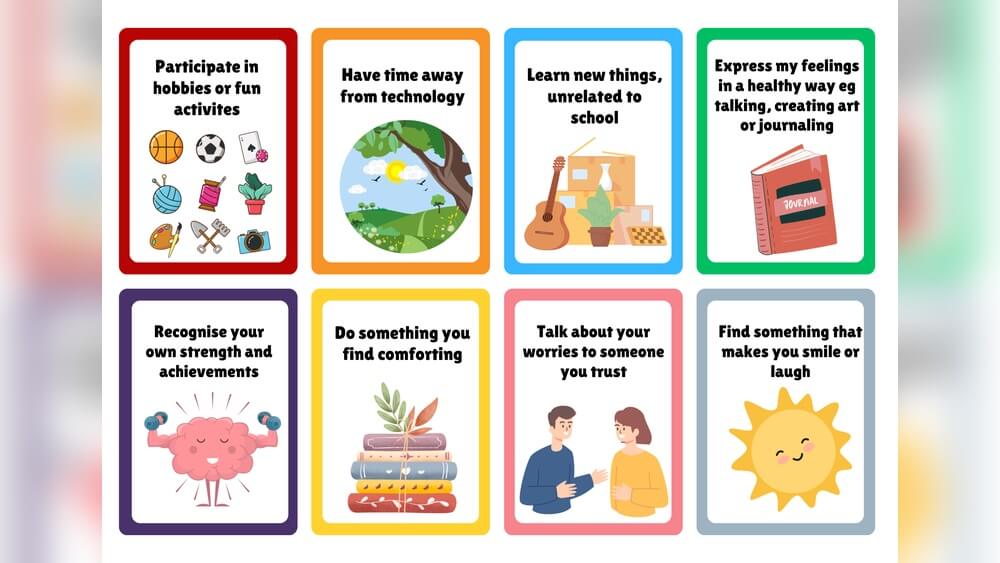
Connect with people who care about you. Share your feelings and struggles with trusted friends or family. Their support provides strength and motivation. Consider joining groups with similar experiences. Support systems reduce loneliness and encourage positive habits.
Incorporating Small Daily Habits
Add simple habits into your daily routine. Actions like stretching each morning or taking short walks help. These habits improve mood and energy. Keep habits easy to follow and consistent. Over time, they become natural parts of your day.
Seeking Professional Help
Professional help offers guidance and support when needed. Therapists and counselors provide tools for better self-care. They help identify deeper issues affecting your well-being. Do not hesitate to ask for help. It is a strong step toward healing and growth.
Overcoming Negative Self-beliefs
Negative self-beliefs can block your ability to care for yourself. These beliefs create inner barriers that feel hard to break. Overcoming them is key to better self-care and well-being.
Negative thoughts often tell you that caring for yourself is selfish or a waste of time. Changing these thoughts helps build a healthier mindset. This section explores how to challenge these beliefs and develop kindness toward yourself.
Challenging The ‘selfish’ Myth
Many believe self-care means being selfish. This idea stops people from taking time for themselves. Caring for yourself is not selfish; it is necessary. You need energy and peace to help others well. Saying no or resting is a healthy choice, not a selfish act. Changing this myth frees you to look after your needs.
Building Self-compassion
Self-compassion means being kind to yourself, especially in hard times. It helps reduce harsh self-judgment and guilt. Practice speaking to yourself like a good friend would. Notice your feelings without blame or shame. Small acts of kindness toward yourself build strength. This gentle care makes self-care easier to accept.
Reframing Productivity Expectations
We often think productivity means doing a lot nonstop. This view can harm self-care efforts. Rest and breaks are part of true productivity. They improve focus and energy over time. Set realistic goals that include time for yourself. Value quality over quantity in your daily tasks. Changing how you see work helps balance life and self-care.
Creating Sustainable Self-care Routines
Creating sustainable self-care routines helps build habits that support well-being daily. It means finding small, steady ways to care for yourself. These routines protect your energy and improve how you feel. Keeping self-care simple and realistic makes it easier to follow and stick with. Focus on what fits your life and needs, not what feels like a big change. This balance is key to lasting self-care.
Balancing Responsibilities And Rest
Balancing work, family, and personal time is hard but essential. Rest is not a luxury; it is part of self-care. Set limits on tasks to avoid burnout. Schedule breaks and quiet moments to recharge. Rest helps your body and mind recover from stress. Small pauses during the day can improve focus and mood. Balance means saying no sometimes and protecting your time.
Prioritizing Mental Health
Mental health matters as much as physical health. Notice signs of stress, anxiety, or sadness early. Take time to relax your mind with simple activities like deep breathing or a walk. Talk to someone you trust if feelings become heavy. Avoid ignoring emotions or pushing through pain. Prioritizing mental health means giving space to heal and feel better. Regular check-ins with yourself help maintain mental balance.
Adapting To Life Changes
Life changes can disrupt routines and cause stress. Accept that self-care needs may shift with new situations. Adjust your habits to fit current challenges and resources. Be patient with yourself during transitions. Flexibility helps keep routines sustainable over time. Small changes can make a big difference in managing new demands. Adaptation means staying kind to yourself and staying open to new ways of care.
Credit: www.alamy.com

Credit: en.wikipedia.org
Frequently Asked Questions
Why Am I Unable To Take Care Of Myself?
You may struggle to care for yourself due to stress, anxiety, low energy, or mental health challenges. Seek support and rest.
What Are 5 Signs Of Poor Mental Wellbeing?
Five signs of poor mental wellbeing include persistent sadness, low energy, loss of interest, social withdrawal, and negative thoughts.
Is It Normal To Feel Out Of Place In Life?
Yes, feeling out of place is common sometimes. Persistent feelings may indicate deeper issues needing professional support.
What Is The First Stage Of A Mental Breakdown?
The first stage of a mental breakdown involves feeling overwhelmed, anxious, irritable, and having trouble concentrating. Sleep and appetite changes also occur. Social withdrawal and loss of interest in activities often begin as stress depletes emotional resources. Early recognition helps prevent crisis escalation.
Conclusion
Struggling to care for yourself is more common than you think. Stress and emotions can weigh heavily on daily life. Small steps toward self-kindness make a big difference. Seek support from trusted friends or professionals when needed. Remember, healing takes time and patience.
You deserve care and respect from yourself. Keep trying, and don’t give up hope. Taking control starts with one simple choice today.

“As the voice behind Radiant Glow Health, we are dedicated to being your ultimate wellness and vitality companion. Our mission is to inspire and guide you on your journey to a healthier and more vibrant life. Join us as we explore holistic health practices and empower you to radiate wellness from within.”