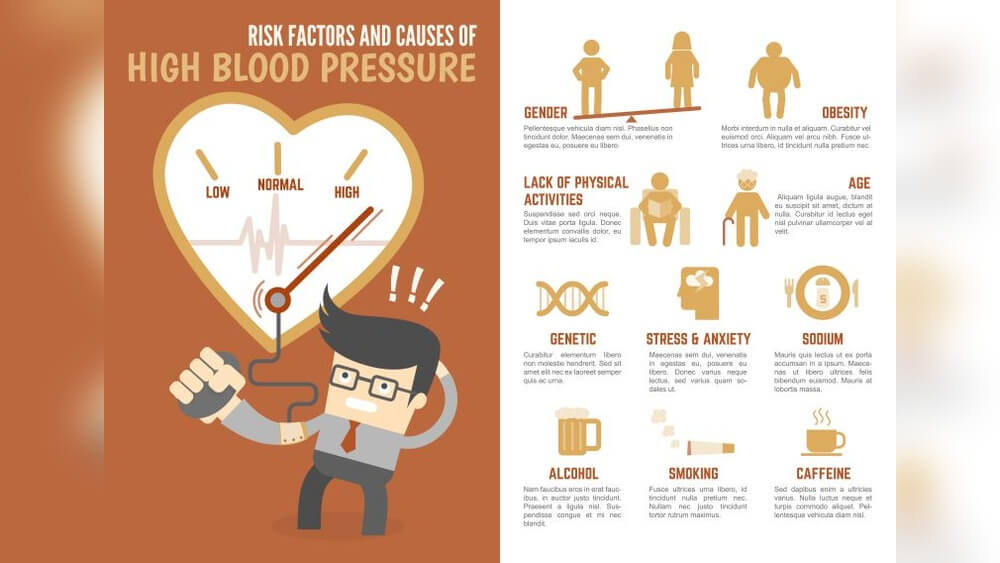
“Can Exercise Cause High Blood Pressure?”
Have you ever wondered if exercise could actually cause high blood pressure? It’s a common concern, especially if you’re starting a new workout routine or have a history of hypertension.
When you exercise, your heart works harder, and your blood pressure naturally rises—but is this rise something to worry about? Understanding how your blood pressure behaves during and after exercise can help you stay safe and make the most of your workouts.
You’ll discover what’s normal, when to be cautious, and how regular exercise can actually benefit your heart health over time. Keep reading to learn the truth about exercise and blood pressure—and how to protect yourself while staying active.
Exercise And Blood Pressure Response
Exercise affects blood pressure in different ways. During physical activity, the heart works harder. This makes blood pressure rise temporarily. This rise is normal and shows the body is responding to the demand for oxygen.
After exercise, blood pressure usually goes down below resting levels. This drop can last for hours. It is a healthy sign that the body is recovering and adapting to exercise.
Blood Pressure Changes During Exercise
When you start exercising, your systolic blood pressure rises. This is the top number in a blood pressure reading. It can go up by 20 to 50 points or more. The rise depends on the exercise intensity and your fitness level.
Diastolic blood pressure, the bottom number, stays the same or changes only a little. This means the heart pumps more blood with each beat, but the arteries stay relaxed to allow flow.
This increase is temporary and helps deliver oxygen to your muscles. It is not a sign of high blood pressure disease.
Post-exercise Blood Pressure Effects
After exercise ends, blood pressure starts to fall. This drop can last from minutes to several hours. Many people experience lower blood pressure than before exercise.
This effect is called post-exercise hypotension. It helps reduce stress on the heart and blood vessels. Regular exercise can lead to long-term blood pressure reduction.
Watch out for signs like dizziness or fainting during or after exercise. If blood pressure stays high for hours after activity, consult a doctor. These could mean the heart is under stress.
Temporary Blood Pressure Rise
Exercise often causes a temporary rise in blood pressure. This increase happens during physical activity and is usually short-lived. Understanding how blood pressure changes can help ease concerns about exercise safety.
The rise in blood pressure during exercise is a normal body response. It helps supply muscles with more oxygen and nutrients. This section explains the types of blood pressure changes and why they occur.
Systolic And Diastolic Variations
Systolic blood pressure is the top number in a reading. It measures pressure when the heart beats. During exercise, systolic pressure usually rises to push more blood to muscles.
Diastolic pressure is the bottom number. It measures pressure when the heart rests between beats. Diastolic pressure stays the same or may slightly decrease during exercise.
This difference happens because blood vessels widen to allow more blood flow. The body adapts to keep blood pressure balanced while meeting increased demand.
Physiological Reasons For Increase
The heart beats faster and stronger during exercise. This action pumps more blood through the body. Muscles need more oxygen, so blood flow increases.
Blood vessels also expand to carry the extra blood. This process causes a temporary rise in systolic pressure. The rise is healthy and helps improve physical performance.
The nervous system signals the heart and vessels to adjust. Hormones like adrenaline boost heart rate and force. These changes support the body’s increased activity level.
Blood Pressure Recovery After Exercise
Blood pressure changes during exercise are natural and expected. After exercise, the body works to bring blood pressure back to normal levels. This process is called blood pressure recovery. Understanding this recovery helps to know if exercise affects your blood pressure negatively or positively.
Immediate Return To Baseline
Right after stopping exercise, blood pressure begins to drop. The heart slows down, and blood vessels start to relax. For most people, blood pressure returns close to resting levels within minutes. This quick recovery shows a healthy cardiovascular response.
Post-exercise Hypotension Benefits
Sometimes, blood pressure falls below normal after exercise. This is called post-exercise hypotension. It can last for several hours and is a good sign. This drop helps reduce the overall strain on the heart. Regular exercise encourages this healthy blood pressure pattern.
Timeframe For Normalization
Blood pressure usually normalizes within one to two hours after exercise. Some people might take longer, depending on fitness and health. If blood pressure stays high for more than two hours, it may need medical attention. Symptoms like dizziness or fainting during recovery also require a doctor’s advice.
When To Seek Medical Advice
Exercise usually causes a temporary rise in blood pressure. This increase is normal and helps supply muscles with more oxygen. After stopping exercise, blood pressure should return to normal within a short time. There are moments when blood pressure stays high or causes symptoms that need medical attention. Knowing when to seek advice can protect your health and prevent serious problems.
Prolonged Elevated Blood Pressure
Blood pressure may stay high for a few minutes after exercise. For most people, it returns to normal within two hours. If your blood pressure remains high beyond two hours, you should see a doctor. This could signal an underlying health issue. Do not ignore a prolonged rise in blood pressure after working out.
Symptoms During Or After Exercise
Some symptoms during or after exercise require immediate medical advice. Dizziness, nausea, chest pain, or fainting are warning signs. These symptoms may mean your heart is under stress. Seek medical help if you experience any of these signs. Early treatment can prevent complications and keep you safe.
Common Myths About Exercise And Hypertension
Exercise and hypertension often come with many misunderstandings. These myths can cause fear or avoidance of physical activity. Clearing up these myths helps people make better health choices. Understanding the truth about exercise and blood pressure improves overall well-being.
Exercise Causes Long-term High Blood Pressure
Some believe that exercise raises blood pressure permanently. This is not true. Blood pressure rises temporarily during exercise. It returns to normal or even lower after rest. Regular exercise actually helps lower long-term blood pressure. It strengthens the heart and improves blood flow. So, exercise reduces the risk of hypertension over time.
Fit Individuals Are Immune To Hypertension
Being fit does not guarantee no high blood pressure. Even active people can develop hypertension. Genetics, diet, and stress also affect blood pressure. Fitness helps control and prevent high blood pressure but does not eliminate risk. Regular check-ups remain important for everyone.
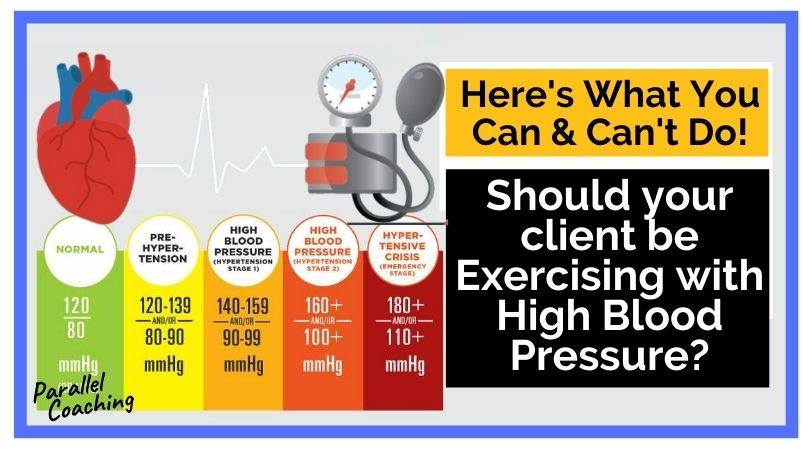
Credit: parallelcoaching.co.uk
Exercise Benefits For Blood Pressure Control
Exercise plays a key role in managing blood pressure. It supports the heart and blood vessels. Regular physical activity helps keep blood pressure in a healthy range. Small changes in daily habits can make a big difference.
Understanding how exercise affects blood pressure helps make better choices. It also reduces risks linked to high blood pressure. The benefits go beyond just numbers on a monitor.
Lowering Resting Blood Pressure
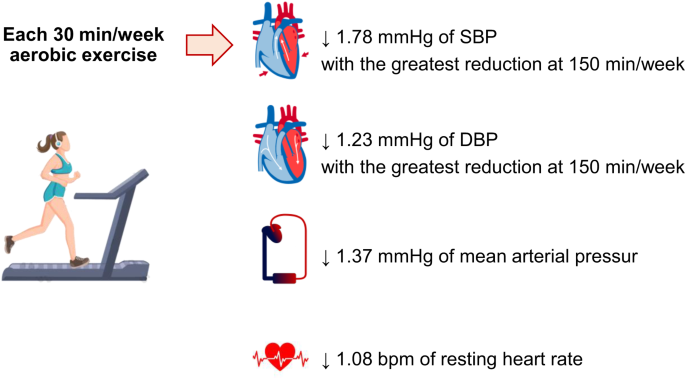
Exercise lowers resting blood pressure over time. It strengthens the heart, making it pump blood more efficiently. This reduces the force on artery walls at rest. Consistent workouts help keep blood pressure steady and lower.
Even moderate activities like walking or cycling show positive effects. The more regular the exercise, the better the results. Lower resting blood pressure reduces risks of heart disease and stroke.
Improving Heart And Vessel Health
Exercise improves the health of the heart and blood vessels. It increases blood flow and helps arteries stay flexible. Flexible vessels adjust better to changes in blood pressure. This lowers the risk of damage and blockages.
Physical activity also reduces inflammation and improves cholesterol levels. These changes protect the cardiovascular system. Healthy heart and vessels lead to better blood pressure control overall.
Factors Affecting Blood Pressure In Athletes
Athletes often experience changes in blood pressure due to various factors. Understanding these factors helps to explain why blood pressure readings can vary widely in athletes. Several key elements influence blood pressure in people who exercise regularly.
These factors include genetic makeup, body type, and how blood pressure is measured. Each of these can affect blood pressure levels during and after exercise.
Genetics And Body Composition
Genetics play a significant role in blood pressure regulation. Some athletes inherit genes that predispose them to higher blood pressure. Body composition also matters. Muscle mass, fat levels, and overall body size impact blood pressure readings. Athletes with more muscle may have naturally higher blood pressure during exercise. This is a normal response to increased demand on the heart and blood vessels.
Body fat percentage influences blood pressure too. Higher fat levels can raise blood pressure, even in active individuals. Genetics combined with body composition create a unique blood pressure profile for each athlete.
Measurement Challenges And False Positives
Measuring blood pressure in athletes can be tricky. Exercise causes temporary spikes in blood pressure, which may lead to false positives. These are readings that suggest high blood pressure but do not reflect the athlete’s usual levels. Timing of measurement is crucial. Taking blood pressure immediately after intense exercise often shows elevated values.
Other factors like cuff size and body position affect accuracy. Using a cuff that is too small or large can distort results. Incorrect arm positioning can also lead to misleading readings. These challenges mean that doctors must interpret blood pressure in athletes carefully to avoid misdiagnosis.

Credit: www.health.harvard.edu
Safe Exercise Practices For Hypertensive Individuals
Exercise is important for everyone, including those with high blood pressure. Safe exercise habits help manage blood pressure and improve heart health. Hypertensive individuals need to follow specific guidelines to avoid risks during workouts. Understanding how to exercise safely can prevent sudden spikes in blood pressure and promote steady improvement over time.
Monitoring Blood Pressure During Workouts
Keep track of your blood pressure before, during, and after exercise. Use a reliable blood pressure monitor to check your readings. Stop exercising if your blood pressure rises too high or you feel dizzy. Regular monitoring helps identify safe limits and avoid dangerous spikes. Share your readings with your doctor to adjust your exercise plan.
Choosing Appropriate Exercise Intensity
Select exercises that match your fitness level and health condition. Start with low to moderate intensity activities like walking, swimming, or cycling. Avoid heavy lifting or high-intensity workouts that strain the heart. Gradually increase intensity as your body adapts and blood pressure stabilizes. Focus on steady, controlled movements to keep your heart rate safe.
Credit: www.nature.com
Frequently Asked Questions
How Long Does Your Blood Pressure Stay Elevated After Exercising?
Blood pressure rises during exercise and usually returns to normal within minutes. For some, it may take a few hours to fully normalize. If it stays high over two hours or causes symptoms, consult a doctor. Regular exercise lowers resting blood pressure over time.
Why Would A Fit Person Have High Blood Pressure?
A fit person may have high blood pressure due to genetics, diet, stress, or measurement errors. Exercise temporarily raises it.
Will Exercise Bring My Blood Pressure Up?
Exercise temporarily raises blood pressure as your heart pumps more oxygen-rich blood. Regular exercise lowers resting blood pressure and reduces hypertension risk over time.
Does Exercise Cause High Blood Pressure Temporarily?
Yes, exercise temporarily raises blood pressure as your heart pumps harder. This increase is normal and usually returns to baseline within minutes to hours after exercise.
Conclusion
Exercise can cause a temporary rise in blood pressure. This increase usually returns to normal within minutes or hours. Regular exercise helps lower resting blood pressure over time. Watch for symptoms like dizziness or prolonged high readings. Consult a doctor if your pressure stays high after exercise.
Staying active supports heart health and overall well-being. Remember, brief rises during workouts are normal and not harmful. Keep moving for a healthier life.

“As the voice behind Radiant Glow Health, we are dedicated to being your ultimate wellness and vitality companion. Our mission is to inspire and guide you on your journey to a healthier and more vibrant life. Join us as we explore holistic health practices and empower you to radiate wellness from within.”