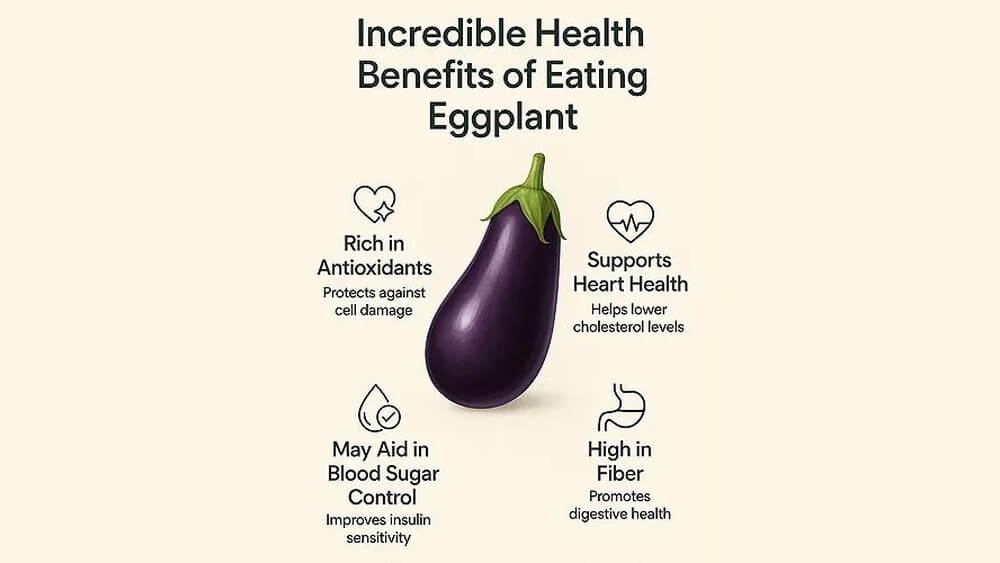
Are you looking for a tasty way to boost your health? Eggplant might be the answer.
This vibrant purple vegetable isn’t just delicious—it’s packed with nutrients that can support your heart, brain, and digestion. Imagine enjoying meals that help lower your blood pressure, improve your memory, and keep your bones strong. Curious about how eggplant can do all this?
Keep reading to discover the surprising nutritional benefits of eating eggplant and simple tips to make it a healthy part of your diet. Your body will thank you!
Nutrient Profile
Eggplant offers a rich nutrient profile that supports overall health. This vegetable provides essential vitamins, minerals, antioxidants, and fiber. Each component plays a role in maintaining bodily functions. Understanding its nutrient content helps appreciate why eggplant is a healthy food choice.
Vitamins And Minerals
Eggplant contains important vitamins like vitamin C, K, and several B vitamins. These nutrients help the immune system and support energy production. It also provides minerals such as potassium, manganese, and magnesium. Potassium helps regulate blood pressure. Manganese supports bone health and metabolism. Magnesium aids muscle and nerve function. These vitamins and minerals contribute to many body processes.
Antioxidant Compounds
Eggplant is rich in antioxidants that protect cells from damage. One key antioxidant is nasunin, found in the purple skin. Nasunin fights free radicals and supports brain health. Other antioxidants include chlorogenic acid and flavonoids. These compounds reduce inflammation and lower the risk of chronic diseases. Eating eggplant can help protect the body from oxidative stress.
Fiber Content
Eggplant contains a good amount of dietary fiber. Fiber improves digestion and helps keep you full longer. It also supports healthy blood sugar levels by slowing sugar absorption. Fiber promotes regular bowel movements and gut health. Adding eggplant to your meals helps meet daily fiber needs for better digestive health.
Heart Health Benefits
Eggplant offers several benefits for heart health. Its rich content of fiber, antioxidants, and minerals supports a strong cardiovascular system. These nutrients help manage cholesterol, blood pressure, and inflammation, all key factors for heart wellness.
Cholesterol Reduction
Eggplant contains soluble fiber that binds cholesterol in the gut. This process helps lower low-density lipoprotein (LDL), the “bad” cholesterol. Anthocyanins, the antioxidants in eggplant, protect blood vessels from damage. Together, they reduce the risk of plaque buildup in arteries.
Blood Pressure Regulation
Potassium in eggplant helps balance sodium levels in the body. This balance relaxes blood vessels and lowers blood pressure. Maintaining healthy blood pressure reduces strain on the heart. Eggplant’s magnesium content also supports normal heart rhythms.
Inflammation Control
Chronic inflammation damages heart tissues and blood vessels. Eggplant’s antioxidants, especially nasunin, fight free radicals that cause inflammation. Reducing inflammation supports healthier arteries and lowers the chance of heart disease. Eating eggplant regularly can help keep inflammation in check.
Blood Sugar Management
Managing blood sugar is vital for overall health and preventing chronic diseases. Eggplant offers natural ways to support balanced blood sugar levels. Its unique nutrients help slow sugar absorption and improve insulin response. Including eggplant in meals can aid in steady energy and reduce harmful sugar spikes.
Fiber And Sugar Absorption
Eggplant is rich in dietary fiber, especially soluble fiber. This fiber forms a gel-like substance in the gut. It slows the digestion and absorption of sugars from food. This process prevents quick rises in blood sugar after eating. Fiber also helps the body use insulin more efficiently. These effects make eggplant a valuable food for blood sugar control.
Benefits For Diabetes
People with diabetes benefit from foods that stabilize blood sugar. Eggplant’s fiber content supports this goal by reducing sugar spikes. Its antioxidants reduce inflammation, which is often higher in diabetes. Eggplant is low in calories and carbohydrates, ideal for diabetic diets. Regular consumption may improve blood sugar levels and lower diabetes complications.
:max_bytes(150000):strip_icc()/GettyImages-1328668312-a6389581157c4f4d842ed3d4457cd798.jpg "What are the Nutritional Benefits of Eating Eggplant: Top Health Boosters 2")
Credit: www.health.com
Brain Function Support
Eggplant offers several nutrients that support brain health and mental function. Its unique compounds help improve blood flow and protect brain cells from damage. These benefits can enhance memory, focus, and overall cognitive performance.
Improved Blood Flow
Eggplant contains nitrates that help widen blood vessels. This widening increases blood flow to the brain. Better blood flow means more oxygen and nutrients reach brain cells. This supports sharper thinking and faster mental responses. Consistent intake may help reduce risks of cognitive decline.
Antioxidants Protecting Brain Cells
Eggplant is rich in antioxidants like nasunin, found in its skin. Nasunin fights harmful free radicals in brain cells. These free radicals can cause cell damage and aging. Protecting cells helps maintain brain function and memory. Antioxidants also reduce inflammation that can harm the brain.
Digestive Health Boost
Eggplant offers a natural boost to digestive health. Its unique blend of nutrients helps keep the digestive system running smoothly. Eating eggplant supports gut function and overall wellness.
Role Of Dietary Fiber
Eggplant contains a good amount of dietary fiber. Fiber is essential for a healthy digestive system. It adds bulk to the stool and helps food move through the intestines. This reduces the risk of constipation and discomfort. Fiber also feeds good bacteria in the gut, promoting a balanced microbiome.
Promoting Regularity
Regular bowel movements are vital for digestive health. Eggplant’s fiber content encourages regularity by softening stool and making it easier to pass. This helps prevent digestive issues like bloating and cramps. Eating eggplant regularly can support consistent digestion and a healthy gut rhythm.
:max_bytes(150000):strip_icc()/eggplant_annotated-f956b4e40dd04218a919e0fbfad4f4e5.jpg "What are the Nutritional Benefits of Eating Eggplant: Top Health Boosters 3")
Credit: www.verywellfit.com
Bone Strengthening
Eggplant offers valuable nutrients that contribute to stronger bones. Its rich mineral content supports bone health and helps prevent weakness or fractures. Including eggplant in your diet can promote lasting bone strength and better overall skeletal health.
Essential Minerals
Eggplant contains important minerals like manganese, calcium, and iron. Manganese helps build bone structure and supports enzyme functions. Calcium is vital for maintaining bone hardness and preventing bone loss. Iron aids in producing collagen, a key protein in bone tissue. These minerals work together to maintain bone integrity.
Bone Density Support
Regular intake of eggplant can help improve bone density. The minerals in eggplant stimulate new bone formation and reduce bone breakdown. This support helps lower the risk of osteoporosis and fractures. Eating eggplant as part of a balanced diet promotes healthier and denser bones over time.
Cancer Prevention Potential
Eggplant offers promising benefits for cancer prevention. Its rich nutrients help protect the body at the cellular level. Regular consumption may reduce the risk of certain cancers. Scientific studies highlight eggplant’s role in fighting harmful cell changes.
Antioxidants And Phytonutrients
Eggplant contains powerful antioxidants like nasunin and chlorogenic acid. These compounds neutralize free radicals that can damage cells. Free radicals cause oxidative stress, which may lead to cancer. Phytonutrients in eggplant also reduce inflammation, a known cancer risk factor. Eating eggplant provides natural defense against harmful molecules.
Cell Protection
Nasunin, found in eggplant skin, protects cell membranes from damage. This protection helps maintain healthy cell function and prevents mutations. Eggplant’s antioxidants support DNA repair and reduce oxidative damage. Healthier cells mean a lower chance of cancer developing. Including eggplant in your diet supports long-term cell health.
Healthy Preparation Tips
Preparing eggplant in a healthy way helps keep its nutrition intact. It also reduces added fats and calories. Simple cooking methods can make eggplant dishes tasty and good for you. Small changes in how you cook eggplant make a big difference. Learn these tips to enjoy eggplant without extra oil or calories.
Cooking Methods To Limit Oil
Eggplant soaks up oil quickly. Use baking, grilling, or steaming instead of frying. These methods use little or no oil. Baking eggplant slices in the oven keeps them tender and flavorful. Grilling adds a smoky taste without extra fat. Steaming keeps eggplant soft and preserves nutrients. These ways reduce unhealthy fats and keep the dish light.
Avoiding Excess Calories
Cut down on calories by skipping heavy sauces or cheese. Use herbs, spices, lemon juice, or garlic for flavor. Avoid deep-frying or breading eggplant before cooking. Choose fresh or lightly cooked eggplant recipes. Control portion sizes to keep meals balanced. These steps help keep eggplant dishes healthy and lower in calories.
Nightshade Sensitivity
Eggplant belongs to the nightshade family, which includes tomatoes, potatoes, and peppers. Some people have a sensitivity to nightshades, meaning they may experience mild to strong reactions after eating them. This sensitivity can cause discomfort and affect digestion or joint health in certain individuals.
Understanding nightshade sensitivity helps you decide if eggplant suits your diet. Symptoms vary and can include stomach pain, headaches, or skin irritation. Knowing what causes these reactions can help you manage your intake safely.
Solanine Effects
Eggplants contain a natural chemical called solanine. Solanine acts as a defense against pests and insects. In small amounts, solanine is usually safe for most people. However, in sensitive individuals, it may cause digestive upset, headaches, or inflammation. Cooking eggplant well reduces solanine levels and lowers the risk of symptoms.
When To Consult A Doctor
Seek medical advice if you notice unusual symptoms after eating eggplant or other nightshades. Symptoms like persistent stomach pain, swelling, or joint pain need professional evaluation. A doctor can help diagnose nightshade sensitivity and suggest dietary changes. Early consultation prevents worsening symptoms and improves your overall health.
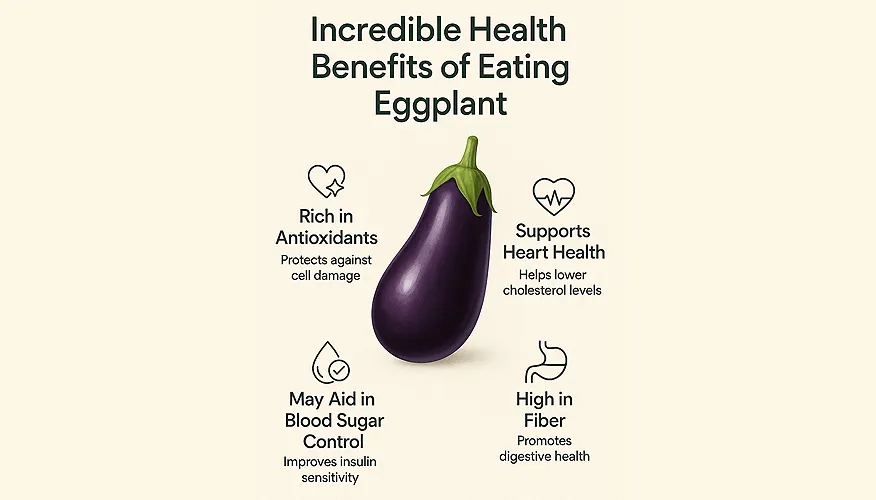
Credit: www.megawecare.com
Frequently Asked Questions
What Does Eggplant Do To Your Body?
Eggplant supports digestion with fiber and protects cells using antioxidants like anthocyanins. It helps lower blood pressure and cholesterol. Minerals in eggplant strengthen bones and brain health. It also aids blood sugar control. Choose baking or grilling to avoid excess oil and maintain benefits.
What Is The 1 Healthiest Vegetable?
Kale ranks as the 1 healthiest vegetable due to its high vitamins, antioxidants, fiber, and low calories. It supports heart, bone, and immune health.
Is Eggplant Good For Your Liver?
Eggplant supports liver health with antioxidants that reduce inflammation and protect cells. Its fiber aids digestion and toxin removal. Choosing baked or grilled eggplant maximizes benefits without added fats.
What’s The Healthiest Way To Eat Eggplant?
The healthiest way to eat eggplant is by baking, grilling, or steaming it. These methods reduce oil absorption and preserve nutrients. Avoid frying to keep calories low and maintain its antioxidants, fiber, and minerals that support heart, brain, and digestive health.
Conclusion
Eggplant offers many health benefits in a simple, tasty way. It supports heart health by lowering bad cholesterol and blood pressure. The fiber helps keep blood sugar steady and aids digestion. Antioxidants protect your brain and may reduce cancer risks.
Minerals in eggplant strengthen bones and improve brain function. Cooking methods matter—choose baking or grilling to keep it healthy. Including eggplant in your meals adds valuable nutrients with few calories. A smart choice for a balanced diet and better overall health.

“As the voice behind Radiant Glow Health, we are dedicated to being your ultimate wellness and vitality companion. Our mission is to inspire and guide you on your journey to a healthier and more vibrant life. Join us as we explore holistic health practices and empower you to radiate wellness from within.”