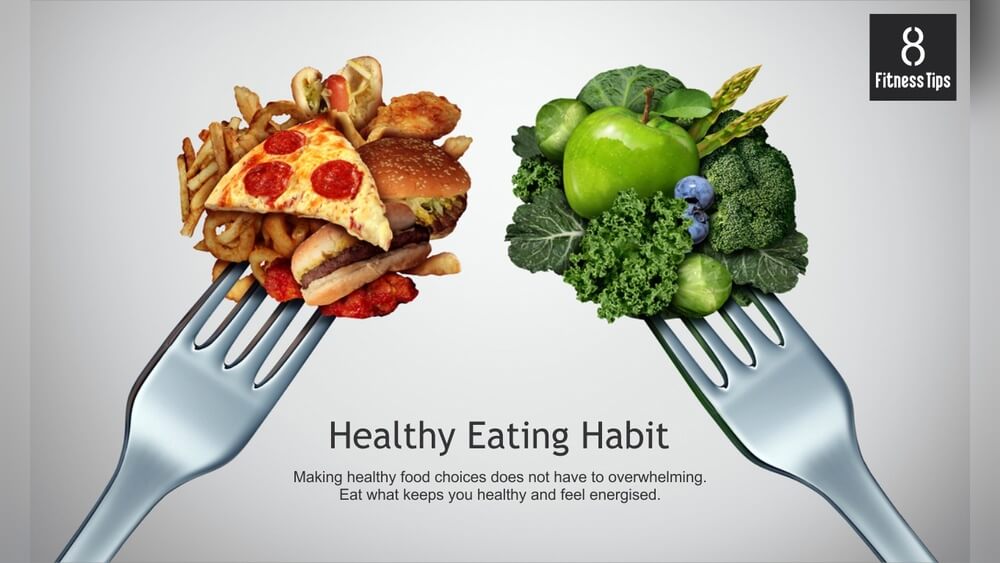
Have you ever wondered what good eating habits really mean for your life? It’s more than just choosing healthy foods—it’s about how you eat, what you eat, and how those choices shape your energy, mood, and long-term health.
Imagine feeling more vibrant every day, having steady energy, and avoiding common health issues just by changing a few simple habits. You’ll discover clear, easy steps to build eating habits that support your well-being without feeling like a chore. Ready to transform your relationship with food and unlock a healthier, happier you?
Let’s dive in.
Essentials Of Good Eating
Good eating habits form the foundation of a healthy lifestyle. They involve more than just choosing what to eat. It means adopting practices that nourish the body and support well-being. The essentials of good eating focus on selecting the right foods, balancing nutrients, and maintaining proper hydration. These elements work together to keep energy levels steady and promote overall health.
Whole Foods Focus
Whole foods are natural and minimally processed. Examples include fruits, vegetables, whole grains, nuts, and lean proteins. These foods provide vitamins, minerals, and fiber that support the body’s functions. Eating whole foods reduces intake of added sugars and unhealthy fats. This choice helps maintain a healthy weight and lowers the risk of chronic diseases.
Balanced Nutrients
Balanced nutrients mean eating a variety of foods from different groups. Each group offers unique benefits. Carbohydrates give energy, proteins build muscles, and fats protect organs. Vitamins and minerals keep the immune system strong. A balanced plate includes all these nutrients in the right amounts. This balance supports growth, repair, and daily activities.
Hydration Habits
Hydration is vital for good eating habits. Water helps digestion, regulates body temperature, and keeps skin healthy. Drinking enough water prevents fatigue and headaches. Aim to drink water regularly throughout the day. Limit sugary drinks and caffeine. Proper hydration improves focus and supports all bodily functions.
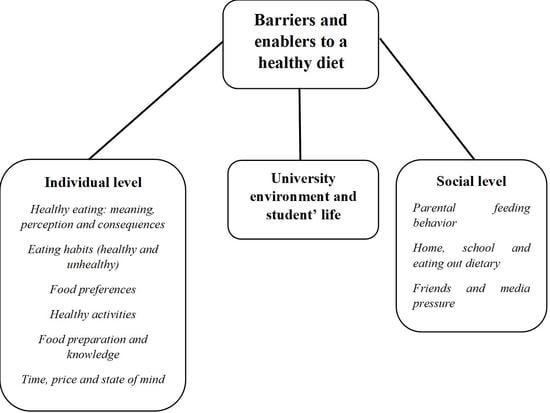
Credit: www.mdpi.com
Key Food Choices
Good eating habits start with the right food choices. Selecting nutritious foods helps your body stay strong and healthy. Each choice fuels your energy and supports your well-being. Focus on foods that provide vitamins, minerals, and fiber. Avoid items that add empty calories or unhealthy fats. Here are key food groups to include in your daily meals.
Prioritize Fruits And Vegetables
Fruits and vegetables offer essential nutrients and antioxidants. They contain vitamins that boost your immune system. Eating a variety of colors ensures a range of health benefits. Fresh, frozen, or canned options all work well. Aim to fill half your plate with these at every meal.
Opt For Whole Grains
Whole grains keep you full longer and improve digestion. Choose brown rice, whole-wheat bread, and oats. These contain more fiber than refined grains. Fiber helps control blood sugar and lowers cholesterol. Swap white bread and white rice for whole grain versions.
Include Lean Proteins
Lean proteins build and repair body tissues. Good sources include fish, poultry, beans, and nuts. Low-fat dairy also provides protein and calcium. Avoid fatty cuts of meat to reduce saturated fat intake. Protein supports muscle health and keeps hunger at bay.
Select Healthy Fats
Healthy fats protect your heart and brain. Use oils like olive, canola, or sunflower in cooking. Nuts, seeds, and avocados are great fat sources too. Limit butter and avoid trans fats found in processed snacks. These fats help absorb vitamins and keep skin healthy.
Limit Sugars And Processed Foods
Cut back on added sugars found in sweets and sodas. Processed foods often contain high salt and unhealthy fats. These items add calories but few nutrients. Reducing them lowers risk of obesity and chronic diseases. Choose natural foods over packaged and fast foods.
Eating Practices
Eating practices shape how we nourish our bodies every day. They influence energy, mood, and long-term health. Good habits create balance and promote well-being. Simple changes can improve digestion and prevent overeating. Consistency is key to maintaining healthy eating routines.
Understanding and adopting positive eating practices helps build a stronger connection with food. This awareness supports better food choices and improves overall lifestyle quality.
Mindful Eating Techniques
Mindful eating means paying full attention to food and hunger signals. It encourages slow eating and savoring each bite. This practice helps recognize true hunger and fullness. Mindful eating reduces overeating and emotional eating. It strengthens the relationship with food and promotes satisfaction.
Reducing Distractions
Eating without distractions improves digestion and awareness. Avoid screens, phones, and work during meals. Focus solely on the food and the eating experience. This habit helps notice hunger signals and prevents overeating. It creates a calm and enjoyable mealtime atmosphere.
Meal Planning Strategies
Planning meals ahead saves time and supports healthy choices. Prepare a weekly menu with balanced meals and snacks. Include a variety of fruits, vegetables, proteins, and whole grains. Meal planning reduces impulsive, unhealthy food decisions. It ensures better portion control and nutrient intake.
Cooking At Home Benefits
Cooking at home allows control over ingredients and portions. Fresh, whole foods provide better nutrition than processed meals. Home cooking reduces added sugars, salt, and unhealthy fats. It encourages creativity and family bonding. Preparing food yourself supports budget-friendly and healthier eating habits.
Healthy Snacking Options
Choose snacks that fuel the body with nutrients. Fresh fruit, nuts, yogurt, and vegetables are good options. Healthy snacks prevent hunger spikes and overeating later. Keep snacks portioned to avoid mindless eating. Nutritious snacks boost energy and maintain steady blood sugar levels.

Credit: www.healthdirect.gov.au
Building A Positive Mindset
Building a positive mindset is key to developing good eating habits. It helps you stay motivated and focused on healthy choices. A strong mindset supports lasting changes rather than quick fixes. It encourages self-kindness and realistic goals. This mindset shapes how you view food and your eating patterns. Understanding this can make your journey easier and more successful.
Making Gradual Changes
Start with small steps to improve your diet. Swap one unhealthy snack for a fruit each day. Add more vegetables to one meal instead of all meals. These little changes feel manageable and less overwhelming. Gradual changes build confidence and create lasting habits. Avoid sudden, big shifts that can cause frustration or failure.
Patience With Progress
Good eating habits take time to develop. Results will not appear overnight. Be patient with yourself and your body. Celebrate small victories like choosing water over soda. Understand that setbacks are part of the process. Keep a positive attitude even when progress is slow. This patience helps maintain healthy habits long term.
Seeking Support Systems
Having support makes healthy eating easier. Share your goals with friends or family. Join a group focused on nutrition or wellness. Support systems provide encouragement and accountability. They help you stay on track during challenges. Talking with others can offer new ideas and motivation. You do not have to make changes alone.
Impact On Health
Good eating habits shape many aspects of health. They affect the body’s ability to function well and fight illness. Eating well supports energy, strength, and mood. The impact on health shows in various ways, from managing weight to preventing disease and boosting mental well-being.
Weight Management
Eating balanced meals helps control body weight. Choosing whole foods like fruits and vegetables fills you up with fewer calories. Lean proteins and whole grains keep you satisfied longer. Avoiding excess sugar and unhealthy fats reduces fat gain. Steady energy from good foods stops cravings for junk. Maintaining a healthy weight lowers the risk of many health problems.
Chronic Disease Prevention
Good eating habits lower the chance of chronic diseases. A diet rich in nutrients strengthens the immune system. Fruits and vegetables provide antioxidants that protect cells. Healthy fats support heart health and reduce inflammation. Limiting processed foods cuts harmful chemicals and excess salt. These choices reduce risks of diabetes, heart disease, and some cancers.
Mental Well-being
Food affects the brain as much as the body. Nutrient-rich meals improve mood and focus. Omega-3 fats, vitamins, and minerals support brain health. Avoiding high sugar and processed foods prevents mood swings. Regular meals keep blood sugar steady, reducing anxiety. Good eating habits promote clear thinking and emotional balance.
Cultural And Emotional Influences
Eating habits do not form in isolation. They grow from cultural backgrounds and emotional experiences. These influences shape how we choose, enjoy, and think about food every day.
Understanding these factors helps build better eating habits. It also makes healthy choices feel natural and satisfying.
Cultural Food Practices
Culture plays a big role in what people eat. Traditional meals reflect history, geography, and beliefs. Families pass down recipes and eating rituals through generations. These foods often bring comfort and identity.
Celebrations and holidays usually include special dishes. They create a sense of belonging and joy. Respecting cultural food practices supports healthy habits that fit your lifestyle.
Emotional Eating Patterns
Many people eat based on feelings, not hunger. Stress, sadness, or boredom can trigger eating. Often, comfort foods are high in sugar or fat. These foods can temporarily lift moods.
Awareness of emotional eating helps control it. Finding other ways to cope with feelings improves health. Mindful eating encourages noticing hunger and fullness cues.
Environmental Factors
The environment affects food choices and habits. Family routines, work schedules, and social settings matter. Easy access to fast food can lead to poor choices. Grocery stores and restaurants influence what is available.
Creating a healthy environment supports good eating habits. Planning meals and cooking at home makes better food easier to eat. Surrounding yourself with healthy options helps maintain balance.
Sustaining Healthy Habits
Sustaining healthy eating habits means making smart food choices a regular part of life. It requires more than just knowing what to eat. Consistency and the ability to adjust help keep these habits strong. Building a lasting routine supports better health over time.
Awareness And Adaptability
Awareness means knowing what your body needs and how foods affect it. Notice how different meals make you feel. Adapt your choices based on your lifestyle and health changes. Flexibility helps avoid frustration and keeps you on track.
Routine Development
Create simple daily habits that support good eating. Plan meals and snacks ahead. Eating at regular times helps control hunger and energy. Small steps, like adding a vegetable or drinking water, build a strong routine.
Long-term Benefits
Healthy eating habits improve energy and mood over time. They reduce the risk of chronic diseases like diabetes and heart problems. Consistent habits support a healthy weight and better digestion. The rewards grow with each healthy choice made.
Credit: www.alamy.com
Frequently Asked Questions
What Are Some Examples Of Good Eating Habits?
Good eating habits include eating fruits, vegetables, lean proteins, and whole grains. Drink plenty of water. Eat slowly and mindfully. Limit sugar, unhealthy fats, and processed foods. Plan meals ahead and choose healthy snacks. Cook at home and make gradual, sustainable changes for lasting health benefits.
What Do Eating Habits Mean?
Eating habits refer to the patterns and choices of food consumption, including what, when, and how people eat daily.
What Do Good Eating Habits Do To Your Body?
Good eating habits boost energy, strengthen immunity, improve digestion, support healthy weight, and enhance mental clarity. They reduce disease risk and promote overall well-being.
What Is The Meaning Of Good Eating Manners?
Good eating manners mean using polite behavior while eating, such as chewing quietly, using utensils properly, and waiting your turn to speak.
Conclusion
Good eating habits build a strong foundation for health. Choosing whole foods and limiting processed items helps your body. Drinking water and eating mindfully improve digestion and satisfaction. Planning meals and cooking at home make healthy eating easier. Small, steady changes create lasting results over time.
Support from friends and patience keep you motivated. Healthy eating is a simple way to feel better daily. Start today, and enjoy the benefits of good habits.

“As the voice behind Radiant Glow Health, we are dedicated to being your ultimate wellness and vitality companion. Our mission is to inspire and guide you on your journey to a healthier and more vibrant life. Join us as we explore holistic health practices and empower you to radiate wellness from within.”