“Which Guideline Does Myplate Recommend for a Healthier Diet?”
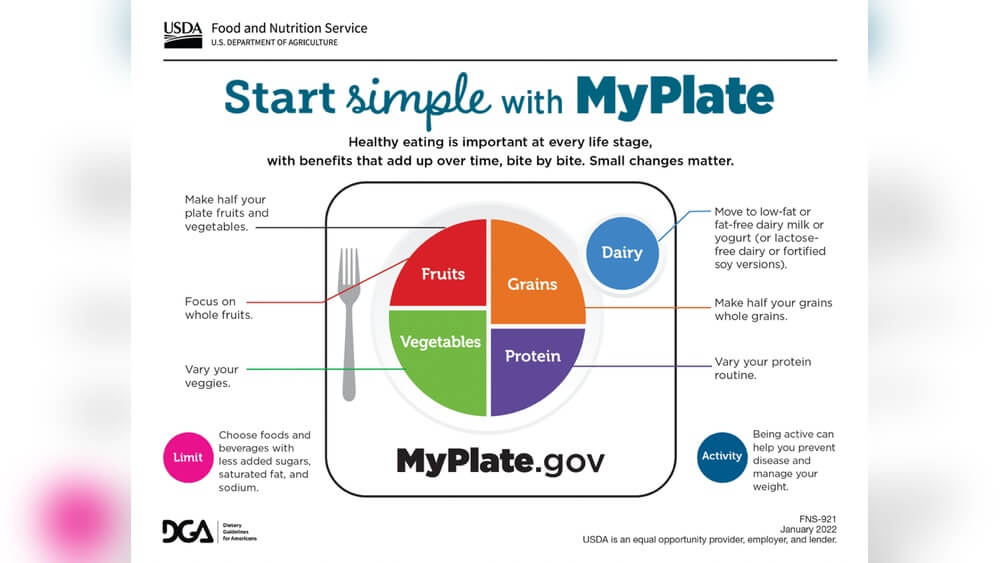
Are you looking for a simple way to eat healthier without complicated diets? MyPlate offers clear, easy-to-follow guidelines that can transform your meals and boost your well-being.
Imagine filling half your plate with colorful fruits and vegetables, choosing whole grains, and adding lean proteins—all while cutting back on added sugars and unhealthy fats. This isn’t just about what you eat; it’s about making smart, balanced choices that fit your lifestyle.
You’ll discover exactly which recommendations MyPlate suggests to help you build a healthier diet, one plate at a time. Ready to take control of your nutrition? Keep reading to learn how small changes can make a big difference for your health.

Credit: www.health.harvard.edu
Key Myplate Recommendations
MyPlate offers clear recommendations to build a healthier diet. It focuses on balance, variety, and portion control. Following these guidelines helps improve nutrition and supports overall wellness. The advice covers all food groups and encourages smart choices for better health.
Fruits And Vegetables
Fill half your plate with fruits and vegetables. Choose a colorful variety to get different nutrients. Eat whole fruits more often than juice. Fresh, frozen, or canned options work well. These foods provide vitamins, minerals, and fiber.
Grains
Make at least half your grains whole grains. Examples include brown rice, oats, and whole wheat bread. Whole grains have more fiber and nutrients than refined grains. They help with digestion and keep you full longer.
Protein
Vary your protein sources daily. Include seafood, beans, peas, lentils, nuts, and seeds. Lean meats, poultry, and eggs are good choices too. This variety provides essential amino acids and supports muscle health.
Dairy
Choose low-fat or fat-free dairy products. Options like milk, yogurt, and fortified soy drinks are recommended. These provide calcium and vitamin D without extra saturated fat. Dairy supports strong bones and teeth.
Oils
Use healthy oils such as olive and canola oil. Limit butter and avoid trans fats. Healthy oils supply essential fatty acids and help absorb vitamins. Cooking with these oils promotes heart health.
Drinks
Drink water, tea, or coffee with little or no sugar. Avoid sugary drinks like soda and fruit punches. Staying hydrated supports all body functions. Choosing low-calorie drinks helps control weight and reduces added sugar intake.
Simple Tips For Healthier Eating
Simple tips can make healthy eating easier. Small changes add up. These steps help you eat better every day. Follow MyPlate’s advice for balanced meals. Focus on reducing sugar, fat, and salt. Include movement to support your diet. Here are key tips to get started.
Reduce Added Sugars
Cut back on sweets and sugary drinks. Soda and candy add empty calories. Choose water, tea, or coffee without sugar. Read food labels to spot hidden sugars. Fresh fruits satisfy sweet cravings naturally.
Cut Saturated Fats
Pick lean proteins like fish, poultry, or beans. Limit red meat, cheese, and processed meats. Use healthy oils such as olive or canola. Avoid butter and foods with trans fats. These changes protect your heart and lower cholesterol.
Lower Sodium
Use herbs and spices instead of salt. Cook meals at home to control salt levels. Avoid processed foods high in sodium. Choose fresh or frozen vegetables without added salt. Lower sodium helps maintain healthy blood pressure.
Get Active
Combine healthy eating with daily physical activity. Aim for at least one hour of movement. Walking, biking, or playing sports all count. Exercise boosts energy and supports weight control. Active habits improve overall health and mood.
Balancing Portions
Balancing portions on your plate helps improve overall health and manage weight. The MyPlate guideline shows how to divide your meal into key food groups. This balance ensures you get essential nutrients without overeating.
Following these portion tips makes meals simple and healthy. Each section of the plate has a role in supporting your body.
Half Plate Fruits And Veggies
Fill half your plate with fruits and vegetables. Choose a mix of colors and types for more nutrients. Whole fruits are better than juice because of fiber. Vegetables like spinach, carrots, and peppers add vitamins and minerals. This portion supports digestion and lowers disease risks.
Half Grains Whole
Make half your grains whole grains. Examples include brown rice, oats, and whole wheat bread. Whole grains provide more fiber and keep you full longer. They help control blood sugar and improve heart health. Avoid refined grains like white bread and white rice most of the time.
Lean Protein Choices
Choose lean proteins such as beans, fish, poultry, and nuts. Lean meats have less fat and calories. Plant proteins like lentils and beans add fiber and nutrients. Vary protein sources for a well-rounded diet. Protein supports muscle growth and repair.

Credit: www.center4research.org
Healthy Beverage Choices
Choosing the right beverages plays a key role in following the MyPlate guideline. Healthy drinks help keep the body hydrated without extra calories or sugar. Drinking smart supports overall health and balances the diet. MyPlate highlights simple swaps that improve beverage choices every day.
Water Over Sugary Drinks
Water is the best drink to stay healthy. It contains no calories or sugar. Sugary drinks add empty calories and raise the risk of weight gain. Drinking water helps control hunger and supports digestion. MyPlate suggests replacing soda, fruit drinks, and sweetened teas with plain water. Infuse water with fruits like lemon or berries for a tasty twist without sugar.
Low Sugar Coffee And Tea
Coffee and tea can be healthy if sugar stays low. Avoid adding too much sugar or cream. Use small amounts of milk or non-dairy alternatives instead. Drinking coffee or tea without sugar helps reduce calorie intake. These drinks also provide antioxidants that support good health. MyPlate encourages choosing unsweetened or lightly sweetened versions to keep drinks better for the body.
Using The Myplate Plan Calculator
The MyPlate Plan Calculator offers a simple way to create a healthy eating plan. It uses your personal details to suggest the right food amounts. This tool helps balance your meals with fruits, vegetables, grains, protein, and dairy. It supports better choices that fit your lifestyle and goals. Using the calculator can make healthy eating easier and clearer.
Personalized Dietary Guidance
The calculator gives advice based on your unique needs. It asks for your age, sex, height, weight, and activity level. Then, it shows how much to eat from each food group daily. This guidance helps you avoid too much or too little of any food. It also encourages variety and balance for good nutrition. Personalized plans support healthier habits and better energy.
Adjusting For Age And Activity
MyPlate knows that age and activity affect food needs. Children, adults, and seniors all require different nutrients and amounts. Active people burn more calories and need more fuel. The calculator adjusts food group amounts to match these factors. This means your plan fits your body’s changing needs. It helps maintain a healthy weight and strong body over time.
Incorporating Variety
Incorporating variety is a key guideline recommended by MyPlate for a healthier diet. Eating different types of foods ensures your body gets many nutrients. It keeps meals interesting and helps prevent nutrient gaps. MyPlate suggests mixing colors and food groups every day.
Colorful Fruits And Vegetables
MyPlate advises filling half your plate with fruits and vegetables. Choosing a variety of colors provides different vitamins and minerals. For example, orange carrots have vitamin A, while red tomatoes offer lycopene. Eating many colors supports eye health, skin, and the immune system.
Whole fruits are better than juice because they have fiber. Fiber helps digestion and keeps you full longer. Try to include dark leafy greens, berries, and bright peppers regularly. Fresh, frozen, or canned options without added sugar or salt all count.
Different Protein Sources
MyPlate recommends varying your protein choices throughout the week. Lean meats like chicken and turkey are good options. Fish and seafood provide healthy omega-3 fats that support heart health. Plant-based proteins such as beans, lentils, and nuts add fiber and other nutrients.
Mixing protein sources reduces saturated fat intake and boosts nutrient variety. Eggs and low-fat dairy also contribute important vitamins like B12 and calcium. Including diverse proteins helps build muscle and keeps meals tasty and balanced.
Cooking And Preparation Tips
Cooking and food preparation play a big role in a healthy diet. MyPlate recommends simple tips to keep meals nutritious and tasty. Choosing the right ingredients and cooking methods helps improve your diet quality. Small changes in cooking can reduce unhealthy fats and added salt. Here are some practical tips to follow.
Using Healthy Oils
MyPlate suggests using healthy oils like olive and canola oil. These oils provide good fats that support heart health. Avoid butter and stick margarine with trans fats. Use oils in moderation to cook or dress salads. Cooking with healthy oils instead of solid fats lowers bad cholesterol. Choose oils that add flavor without adding unhealthy fats.
Flavor With Herbs And Spices
Herbs and spices add taste without extra salt or sugar. MyPlate encourages using fresh or dried herbs like basil, oregano, and rosemary. Spices such as cinnamon, cumin, and paprika bring bold flavors. These seasonings reduce the need for salt or high-fat sauces. Experiment with different herbs and spices for variety. Flavorful meals can be healthy and exciting to eat.
.jpg "Which Guideline Does Myplate Recommend for a Healthier Diet: Essential Tips 4")
Credit: www.health.harvard.edu
Physical Activity And Diet
Physical activity and diet are two key parts of a healthy lifestyle. MyPlate highlights that eating well and moving more go hand in hand. Being active helps your body use the nutrients from food better. It also supports a healthy weight and boosts energy.
Combining good food choices with regular exercise makes a big difference. Both habits support your heart, muscles, and overall health. MyPlate encourages people to balance food intake with physical activity every day.
Daily Exercise Recommendations
MyPlate suggests adults get at least 150 minutes of moderate exercise weekly. This can include walking, biking, or dancing. Children and teens should aim for 60 minutes of activity each day. Exercise helps control weight and lowers the risk of diseases. Adding muscle-strengthening activities twice a week is also important.
Combining Diet And Activity
Eating a balanced diet supports your energy needs during exercise. Focus on fruits, vegetables, whole grains, and lean proteins. Drinking water before, during, and after exercise keeps you hydrated. Avoid heavy, fatty foods before workouts to prevent discomfort. After activity, eat foods rich in protein and carbs to help muscles recover.
Pairing healthy meals with daily movement improves mood and sleep quality. Small changes, like walking after meals or choosing stairs, add up. MyPlate’s advice encourages a lifestyle where diet and activity work together for health.
Frequently Asked Questions
What Does Myplate Recommend?
MyPlate recommends filling half your plate with fruits and vegetables. Make half your grains whole grains. Choose lean proteins and low-fat dairy. Limit added sugars, saturated fats, and sodium. Drink water instead of sugary drinks and use healthy oils for cooking.
What Are The Guidelines For A Healthy Diet?
Eat a balanced diet with half your plate as fruits and vegetables. Choose whole grains, lean proteins, and low-fat dairy. Limit added sugars, saturated fats, and sodium. Use healthy oils and drink water instead of sugary beverages. Stay active for overall health.
What Is The Plate Rule For Healthy Eating?
The plate rule for healthy eating advises filling half your plate with fruits and vegetables, a quarter with whole grains, and a quarter with lean proteins. Include low-fat dairy and use healthy oils. Limit added sugars, saturated fats, and sodium for balanced nutrition.
What Is The Usda Healthy Eating Plan Called?
The USDA Healthy Eating Plan is called “MyPlate. ” It guides balanced meals with fruits, vegetables, whole grains, lean proteins, and dairy.
Conclusion
MyPlate guides you to balance your meals with simple, healthy choices. Fill half your plate with colorful fruits and vegetables. Choose whole grains for half your grains. Pick lean proteins and low-fat dairy options. Drink water instead of sugary drinks and use healthy oils for cooking.
These steps help reduce added sugars, saturated fats, and sodium. Small changes create lasting health benefits. Use the MyPlate Plan tool to tailor your diet. Pair good eating with daily physical activity for best results. Your journey to a healthier diet starts with easy, balanced steps.

“As the voice behind Radiant Glow Health, we are dedicated to being your ultimate wellness and vitality companion. Our mission is to inspire and guide you on your journey to a healthier and more vibrant life. Join us as we explore holistic health practices and empower you to radiate wellness from within.”