Is Personal Care for Elderly Free in Scotland?
Are you wondering if personal care for the elderly is free in Scotland? If you or a loved one needs extra help with daily tasks like bathing, dressing, or eating, knowing what support is available—and at what cost—can make a huge difference.
Scotland’s approach to personal care is unique compared to other parts of the UK, and understanding how it works could save you worry and money. You’ll discover who qualifies for free personal care, what services are covered, and how to access them.
Keep reading to find out exactly what you need to know to ensure the best care without unexpected expenses.
Eligibility For Free Care
In Scotland, free personal care is available for elderly people who meet certain criteria. Eligibility depends on an assessment that identifies their care needs. Understanding these rules helps families know if they can access support without charges.
The eligibility rules focus on the individual’s care requirements, not their financial status. This approach aims to provide help to those who truly need it.
Assessment Process
The local authority carries out a care needs assessment. This looks at the person’s daily activities and health condition. The goal is to find out what support is necessary. The assessment is free and usually done at home.
After the assessment, the council decides the type and level of care required. Only those needing personal care services qualify for free help.
Qualifying Conditions
To qualify, a person must need help with personal care tasks. These include washing, dressing, eating, and using the toilet. The need must be due to illness, disability, or age-related issues. The care must be essential for the person’s wellbeing and safety.
People who only need help with domestic tasks like cleaning or shopping do not qualify for free personal care.
No Means Testing
Scotland does not use means testing for free personal care. This means income or savings do not affect eligibility. Marital status or property ownership also does not matter. The focus is solely on the person’s care needs.
This system ensures that all elderly people who need help can get it without financial barriers.
Types Of Free Care Services
Scotland offers various types of free care services for elderly people. These services aim to support daily living and health needs at home or in care settings. Local authorities assess each person’s needs to decide the care required. The main types of free care include personal care, nursing care, and home care support. Each type plays a different role in helping the elderly live with dignity and comfort.
Personal Care
Personal care involves help with daily activities. This includes washing, dressing, eating, and using the toilet. Care workers assist with personal hygiene and mobility. The support helps people maintain independence and well-being. Personal care is free if the local authority assessment finds it necessary. There is no charge based on income or savings.
Nursing Care
Nursing care provides medical support and treatment. Nurses deliver wound care, medication, and health monitoring. This care is for people with complex health needs. It can be given at home or in a care home. Free nursing care is available after a health needs assessment. This service ensures proper medical attention without extra cost.
Home Care Support
Home care support covers a range of practical help. It includes assistance with cooking, cleaning, and shopping. Support workers help with errands and daily chores. This service allows elderly people to stay in their own homes longer. Home care support may be part of a broader care package. It helps maintain a safe and comfortable home life.
Role Of Local Authorities
Local authorities play a key role in managing personal care for elderly people in Scotland. They ensure that individuals receive the right support based on their needs. These authorities assess care needs, arrange services, and manage payments. Their role helps make personal care accessible and free for those who qualify.
Care Needs Assessment
Local authorities carry out a care needs assessment for elderly people. This assessment identifies the type and level of personal care required. Trained professionals visit the person’s home to evaluate their situation. The assessment considers health, mobility, and daily living tasks. It helps decide if personal care services are necessary and what kind.
Service Provision
After the assessment, local authorities arrange suitable care services. Services may include help with bathing, dressing, eating, or medication. Authorities work with care providers or hire staff directly. They coordinate to ensure care is timely and consistent. The goal is to support independence and improve quality of life.
Payment And Funding
In Scotland, personal care funded by local authorities is free for eligible elderly people. There is no charge if the care needs assessment confirms the need. Income or savings do not affect eligibility. Local authorities use public funds to cover the costs. This system aims to reduce financial burden on families.

Credit: www.independentnurse.co.uk
Care Home Fees And Free Care
Understanding care home fees and free care in Scotland helps families plan better. Scotland offers free personal care for those assessed to need it. This support covers various personal care needs in care homes. Knowing the details about payments and costs is important for making informed decisions.
Flat Rate Payments
In Scotland, a flat rate payment system applies to personal care. This means a fixed amount covers personal care services each week. The flat rate helps simplify the payment process for residents. It ensures everyone receives the same level of personal care support. This payment does not cover all living costs in care homes.
Nursing Vs Residential Costs
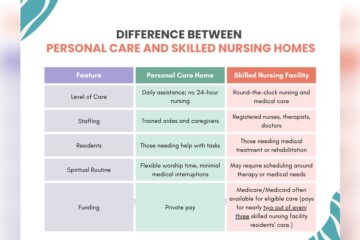
Nursing care costs more than residential care in Scotland. Nursing homes provide medical and personal care, requiring skilled nurses. Residential homes offer help with daily tasks but less medical support. Personal care remains free in both types of homes. However, residents may pay for accommodation and other services.
Recent Changes In Policy
Scotland updated policies to improve free personal care access. New rules removed income limits for free personal care eligibility. More elderly people can now receive free care regardless of savings. The government aims to reduce financial stress on families. These changes show a strong commitment to supporting the elderly.
Applying For Free Personal Care
Applying for free personal care in Scotland involves a clear process. Local authorities assess your needs to decide eligibility. This ensures support goes to those who truly need it. Understanding the steps helps you prepare and apply smoothly.
Application Steps
First, contact your local council’s social work department. They arrange a care needs assessment. The assessor visits to understand your personal care needs. After the assessment, the council decides if you qualify. If approved, you receive free personal care services. Keep in touch with the council during the process for updates.
Required Documentation
Prepare documents before applying. Proof of identity is essential, such as a passport or ID card. Provide proof of residence, like a utility bill or council tax letter. Include medical reports from your doctor if possible. Financial information is usually not needed for personal care. Submit any forms the council requests promptly to avoid delays.
Common Challenges
Delays in assessment can cause frustration. Sometimes, councils have waiting lists for assessments. Incomplete paperwork can slow the process down. Some applicants struggle to explain their care needs clearly. Asking for help from social workers or carers can ease this. Being patient and organized helps overcome these challenges.
Comparison With Other Uk Regions
Personal care for the elderly differs across the UK. Each region has its own rules on who pays and who gets help. Understanding these differences helps families plan better. Scotland stands out with its free personal care policy. The other parts of the UK have different systems and charges.
England’s Care Charges
In England, personal care is usually not free. People often pay for help with daily tasks. The local councils may offer support based on income and savings. Many elderly people must use their savings to cover care costs. This can be a heavy financial burden for families.
Wales And Northern Ireland
Wales and Northern Ireland have some support but less than Scotland. They provide some free nursing care, but personal care often requires payment. Means testing decides how much a person pays. The rules vary, causing confusion for families moving between regions.
Scotland’s Unique Approach
Scotland offers free personal care for all adults who need it. This support does not depend on income or savings. The government funds personal care to help elderly people live independently. This policy reduces financial stress for many families. It shows Scotland’s commitment to caring for its elderly population.
Additional Support Services
Additional support services play a key role in helping elderly people in Scotland live with dignity. These services go beyond basic personal care. They offer practical help and emotional support to both elders and their families. Understanding these options can ease the stress of caregiving and improve quality of life.
Carers’ Assistance
Carers provide vital help to elderly people who need support at home. Scotland offers specific assistance programs for carers. These include training, respite breaks, and financial aid. The goal is to support carers so they can continue their care without burnout. Local councils often coordinate these services, making them easier to access.
Nhs Free Services
The NHS in Scotland provides many free health services for the elderly. This includes medical check-ups, treatments, and nursing care. Elderly people can also get free prescriptions and equipment like wheelchairs. These services help manage health conditions and prevent hospital visits. The NHS works closely with social care to offer seamless support.
Community Resources
Community centers and charities offer additional support for elderly care. They provide social activities, meal deliveries, and transport services. These resources help reduce loneliness and keep seniors active. Volunteers often run these programs, creating a friendly local network. Accessing community resources can improve both mental and physical health.

Credit: www.homecare.co.uk
Financial Considerations
Understanding financial aspects of personal care for elderly in Scotland helps families plan better. The Scottish Government offers free personal care services based on need rather than income. Still, some financial factors affect eligibility and related benefits.
Knowing these details avoids unexpected costs and helps make informed decisions about care options.
Income And Capital Limits
Personal care in Scotland is free regardless of income or savings. The government focuses on care needs, not wealth. This means elderly people with high income or capital can still get free personal care. However, other types of care, like accommodation, might require payment depending on finances.
Impact On Benefits
Receiving free personal care does not reduce other benefits. Pension Credit, Attendance Allowance, or Disability Living Allowance continue as usual. Free care does not count as income, so benefits remain safe. It is important to report changes to local authorities to avoid benefit issues.
Avoiding Care Home Costs
Free personal care can reduce the need for costly care homes. Many elderly prefer to stay at home with support. Home care services help maintain independence and comfort. Planning for free personal care helps families avoid large care home fees.
Credit: www.scotsman.com
Frequently Asked Questions
Who Qualifies For Free Personal Care In Scotland?
Adults in Scotland qualify for free personal care after a local authority assessment confirms their care needs. Income or assets do not affect eligibility.
How Much Is The Personal Care Allowance In Scotland 2025?
In Scotland 2025, personal care allowance is free for adults assessed with care needs by local authorities. No income or asset limits apply.
How Much Money Are You Allowed To Have Before Paying For Care In Scotland?
In Scotland, personal care is free after a local authority assessment. There is no money limit for free personal care eligibility.
What Services Are Free In Scotland?
Scotland offers free NHS services, including GP visits, hospital care, eye and dental exams. Personal and nursing care is free after local authority assessment. Emergency services and local pharmacy support also come at no cost.
Conclusion
Personal care for the elderly in Scotland is free after a needs assessment. Local councils provide support regardless of income or savings. This helps many seniors get the care they require. Knowing this can ease concerns about paying for personal care.
Always check with your local authority for specific details. Access to free care supports dignity and wellbeing for older adults. It’s a valuable benefit that many people in Scotland can rely on.

“As the voice behind Radiant Glow Health, we are dedicated to being your ultimate wellness and vitality companion. Our mission is to inspire and guide you on your journey to a healthier and more vibrant life. Join us as we explore holistic health practices and empower you to radiate wellness from within.”