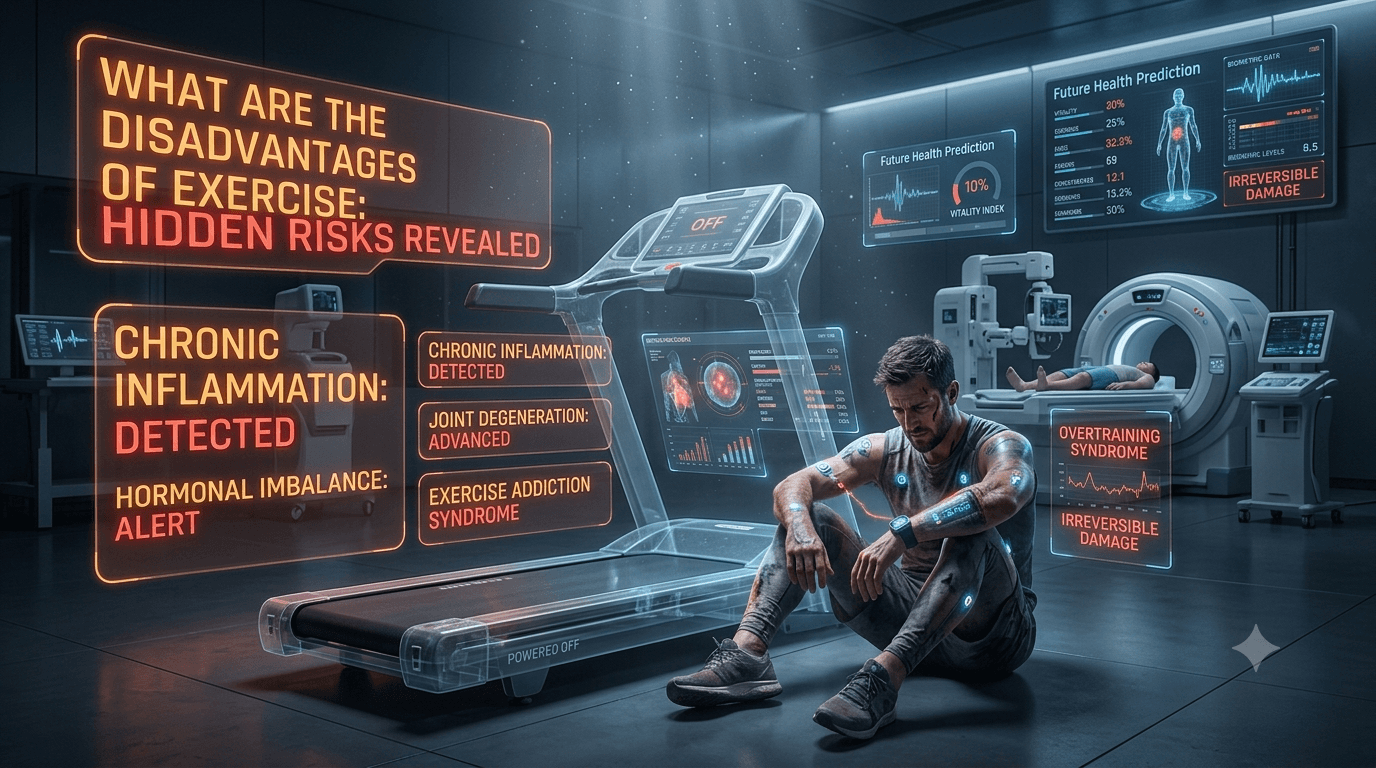
You probably know that exercise is great for your health, but have you ever stopped to think about the downsides? What if your daily workout is actually causing more harm than good?
Understanding the disadvantages of exercise can help you avoid common pitfalls that might be holding you back or even damaging your body. You’ll discover the hidden risks and side effects that come with exercising — so you can make smarter choices and protect your well-being.
Keep reading if you want to learn how to exercise safely without falling into these traps.
Physical Risks
Exercise has many benefits, but it also carries some physical risks. These risks can affect your body in different ways. Understanding these risks helps you exercise safely and avoid harm.
Injuries And Strains
Exercises can cause injuries like sprains, strains, and muscle tears. Pushing your body too hard or using wrong techniques leads to damage. Overuse injuries happen when muscles and tendons are stressed repeatedly. These injuries may cause pain and stop your workouts.
Joint Problems
Exercise can sometimes harm your joints. High-impact activities put stress on knees, hips, and ankles. This stress may cause inflammation or worsen arthritis. Lack of proper warm-up or stretching increases the risk of joint pain. Protecting joints is important to avoid long-term damage.
Heart Complications
Intense exercise may strain your heart, especially if you have health issues. Sudden heavy workouts can trigger irregular heartbeats or chest pain. People with heart conditions should consult doctors before exercising. Monitoring your heart rate during exercise helps prevent serious problems.
Overtraining Effects
Exercising regularly brings many benefits, but too much exercise can cause problems. Overtraining happens when the body does not get enough rest between workouts. This leads to several negative effects that affect both the body and mind. Understanding these effects helps to avoid harm and maintain a healthy routine.
Fatigue And Weakness
Overtraining causes constant tiredness that rest does not fix. Muscles feel weak and sore for longer periods. The body struggles to recover, making daily activities hard. Energy levels drop, leaving you less motivated to exercise.
Performance Decline
Instead of improving, performance goes down with overtraining. Speed, strength, and endurance reduce unexpectedly. Skills that were easy before become difficult. This decline can be frustrating and may increase the risk of injury.
Emotional And Mental Impact
Overtraining affects mood and mental health. Feelings of irritability, anxiety, and sadness become common. Concentration and focus decrease during workouts and daily life. These changes can make staying consistent with exercise harder.
Exercise Addiction
Exercise addiction is a condition where a person feels compelled to work out excessively. This behavior can harm both the body and mind. Instead of being healthy, exercise becomes a source of stress and harm. Understanding exercise addiction helps recognize its risks and effects.
Signs And Symptoms
People with exercise addiction often exercise despite injuries. They feel guilty or anxious when skipping workouts. Their routine dominates thoughts and daily plans. Physical signs include fatigue, muscle pain, and joint problems. Mood swings and irritability may also appear.
Impact On Daily Life
Exercise addiction can disrupt work, school, or family time. Relationships may suffer due to strict workout schedules. Social activities often get canceled for exercise. Sleep problems and constant tiredness are common. Overall quality of life decreases as exercise takes control.
Withdrawal Effects
Stopping exercise suddenly can cause emotional distress. Symptoms include anxiety, restlessness, and depression. Physical effects like sweating and shaking may occur. These withdrawal signs make quitting difficult. Support and guidance are important for recovery.

Credit: brainly.in
Health Concerns
Exercise offers many benefits, but it can also raise some health concerns. Ignoring these risks may lead to problems that affect your body and well-being. Understanding these concerns helps you stay safe and healthy while exercising.
Exercising With Illness
Working out during illness can weaken your body further. Symptoms above the neck, like a runny nose, might be okay for light exercise. Symptoms below the neck, such as chest congestion or fever, mean you should rest. Exercising with a fever can lead to serious complications.
Nutritional Deficiencies
Exercise increases the need for vitamins and minerals. Without proper nutrition, you may face fatigue and poor recovery. Deficiencies in iron, calcium, or vitamin D can harm your bones and muscles. Eating balanced meals is crucial to support your workout routine.
Digestive Issues
Intense exercise may cause stomach pain, nausea, or diarrhea. High-impact activities can disrupt digestion, especially if done right after eating. Dehydration during workouts also affects your digestive system. Proper timing and hydration help reduce these problems.
Time And Cost Challenges
Exercise offers many health benefits, but it also brings challenges related to time and cost. These challenges can make it hard for some people to start or keep up with regular workouts. Understanding these barriers helps in finding realistic ways to stay active without stress.
Equipment Expenses
Many exercises require equipment that costs money. Gym memberships, workout clothes, and gear add up quickly. Not everyone can afford these expenses. This cost can discourage people from exercising regularly. Home workouts with no or low-cost equipment can be a good alternative.
Time Commitment
Exercise takes time, which many people find hard to spare. Busy schedules with work, family, and errands leave little room for workouts. Consistent exercise needs planning and dedication. Skipping workouts due to lack of time is common. Short, focused sessions can help fit exercise into tight days.
Motivation Barriers
Staying motivated to exercise is tough for many. The effort needed to begin and keep going can feel overwhelming. Without visible quick results, motivation can drop. Lack of support or interest also lowers drive. Setting small goals and tracking progress can boost motivation.

Credit: www.researchgate.net
Balancing Exercise
Exercise has many benefits, but too much can cause problems. Balancing exercise means doing enough for health without overdoing it. Finding the right balance helps avoid injuries and burnout. It also improves long-term fitness and well-being. Below are key points to keep exercise balanced and safe.
Rest And Recovery Importance
Rest days let muscles heal and grow stronger. Without enough rest, fatigue builds up quickly. This can cause injuries like strains or stress fractures. Sleep also helps the body recover from workouts. Skipping rest lowers performance and slows progress. Plan rest days as part of your routine.
Avoiding Excessive Workouts
Too much exercise can harm your body. Overtraining leads to constant tiredness and weak immunity. It may cause mood swings and poor sleep. High-intensity workouts every day increase injury risk. Vary your workout types and intensity to prevent this. Quality matters more than quantity in exercise.
Listening To Your Body
Your body gives signals when it needs a break. Pay attention to pain, soreness, or unusual tiredness. Ignoring these signs may worsen injuries. Adjust workouts based on how you feel each day. Rest or modify exercises if you notice negative symptoms. Respecting your body keeps exercise safe and effective.

Credit: www.shoshitamam.com
Frequently Asked Questions
What Are Negatives In Exercise?
Negatives in exercise refer to the controlled lowering phase of a movement. They build strength by emphasizing muscle lengthening under tension.
Can I Exercise With Tonsillitis?
Avoid exercise with tonsillitis, especially if symptoms include fever, fatigue, or body aches. Rest aids recovery.
What Happens When You Exercise Too Much?
Exercising too much causes fatigue, muscle pain, irritability, decreased performance, and increased injury risk. It may harm mental health.
When Should You Not Exercise?
Avoid exercise when you feel severe pain, extreme fatigue, illness with fever, dizziness, or have an injury. Rest aids recovery.
Conclusion
Exercise offers many benefits but also comes with some downsides. Overdoing it can cause injuries and fatigue. Some people may face joint pain or heart issues. Mental stress and mood swings might appear from excessive workouts. It is important to listen to your body and rest when needed.
Balance and moderation help maintain health and prevent harm. Understanding these disadvantages ensures safer and smarter exercise routines. Stay aware, stay healthy, and enjoy the positive effects without risking your well-being.

“As the voice behind Radiant Glow Health, we are dedicated to being your ultimate wellness and vitality companion. Our mission is to inspire and guide you on your journey to a healthier and more vibrant life. Join us as we explore holistic health practices and empower you to radiate wellness from within.”