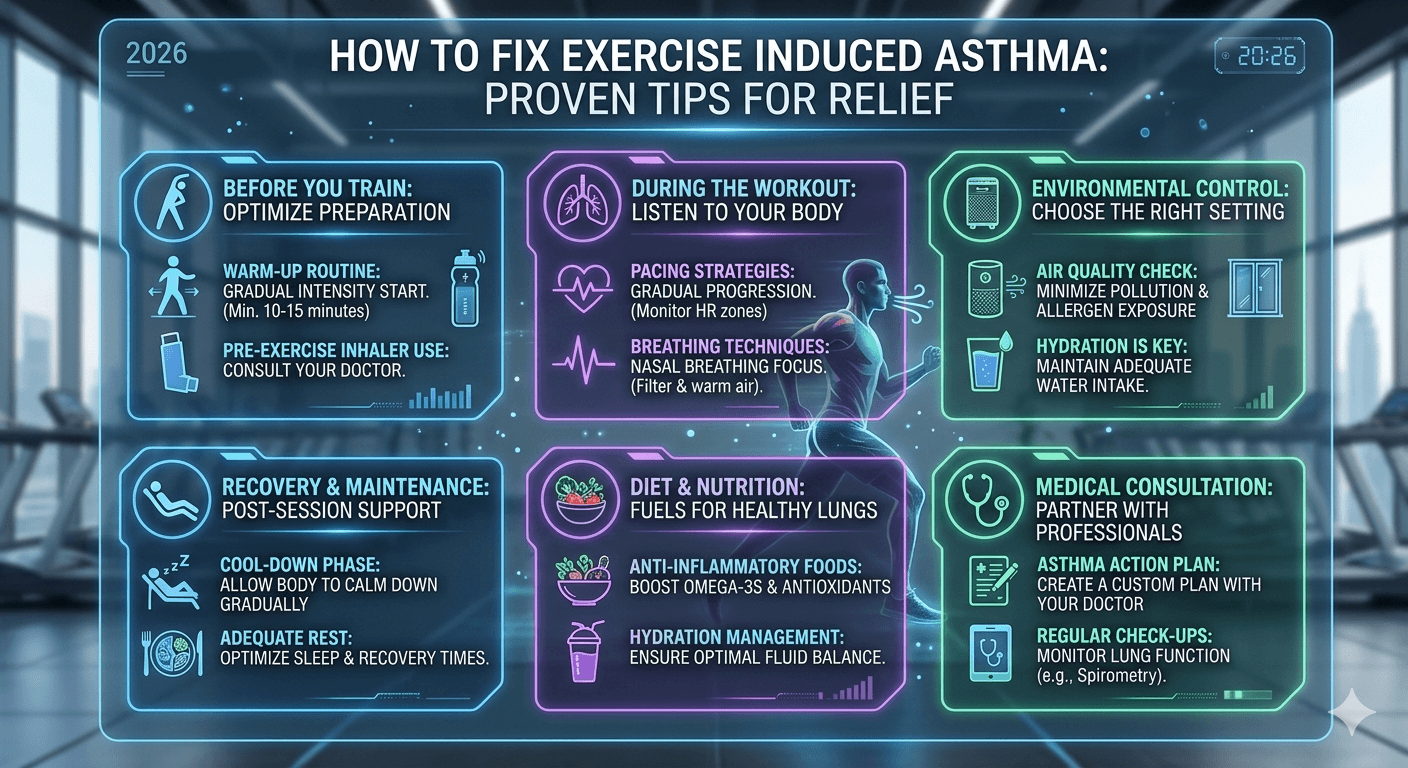
“How to Fix Exercise Induced Asthma: Proven Tips for Relief?”
If you experience tightness in your chest, coughing, or wheezing when you exercise, you’re not alone—and there are ways to fix exercise-induced asthma. You don’t have to give up your favorite workouts or feel held back by sudden breathing troubles.
Understanding how to manage and prevent these symptoms can help you stay active and breathe easier. You’ll discover practical tips and effective strategies to control exercise-induced asthma so you can get back to enjoying your fitness routine without fear. Keep reading to learn how to take charge of your breathing and improve your exercise experience today.
Causes Of Exercise-induced Asthma
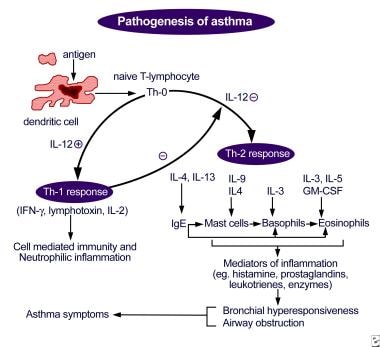
Exercise-induced asthma occurs when airways narrow during physical activity. This narrowing causes breathing difficulty, coughing, and wheezing. Understanding the causes helps manage and reduce symptoms effectively. Several factors play a role in triggering exercise-induced asthma. These include how exercise affects the airways and certain environmental conditions.
How Exercise Triggers Symptoms
Exercise makes breathing faster and deeper. This causes dry and cold air to enter the lungs. The airways react by tightening and swelling. This reaction blocks airflow and causes asthma symptoms. People with sensitive airways are more likely to experience this. The intensity and duration of exercise also affect symptom severity.
Common Environmental Factors
Environmental triggers worsen exercise-induced asthma symptoms. Cold weather makes air dry and harsh on airways. Pollution and smoke irritate the lungs and increase sensitivity. Pollen and dust in the air can cause allergic reactions. Indoor allergens like mold and pet dander may also trigger symptoms. Avoiding these factors helps reduce asthma attacks during exercise.
Credit: emedicine.medscape.com
Recognizing Symptoms
Recognizing the symptoms of exercise-induced asthma is crucial for managing it effectively. Early detection helps you act quickly and reduce discomfort. Knowing the signs can prevent severe attacks and keep your workouts safe.
Early Warning Signs
Common early signs include coughing during or after exercise. You might also feel short of breath or notice wheezing sounds. Chest tightness and a slight difficulty in breathing are signals to pause your activity. These symptoms often start gradually and worsen if ignored.
Severe Attack Indicators
A severe attack shows strong wheezing and rapid breathing. You may feel intense chest tightness or pain. Difficulty speaking or walking means immediate action is needed. Lips or face turning blue is a critical warning sign. Seek medical help right away if these symptoms occur.
Medication Options
Medication plays a key role in managing exercise-induced asthma. It helps control symptoms and lets you stay active. Several types of medicines work differently to prevent or relieve asthma attacks.
Choosing the right medication depends on the frequency and severity of symptoms. Doctors often recommend a combination of quick-relief and long-term control medicines for best results.
Quick-relief Inhalers
Quick-relief inhalers stop asthma symptoms fast. They open airways within minutes. These inhalers contain bronchodilators like albuterol.
Use them before exercise or during an asthma attack. They reduce wheezing, coughing, and shortness of breath quickly. Keep a quick-relief inhaler handy at all times.
Long-term Control Medicines
Long-term control medicines prevent symptoms from starting. They reduce airway inflammation and sensitivity. These include inhaled corticosteroids and leukotriene modifiers.
Take them daily as prescribed, even when feeling well. They help lower the number and severity of asthma attacks over time. Regular use improves overall lung health.
Using Spacers And Nebulizers
Spacers attach to inhalers and help deliver medicine better. They make it easier to inhale the right dose. This is important for children and people who struggle with inhalers.
Nebulizers turn liquid medicine into a mist. This mist is easier to breathe in deeply. Nebulizers are useful for young children or severe asthma cases.
Both devices increase medicine effectiveness and reduce side effects. Ask your doctor about using spacers or nebulizers for your treatment.
Credit: ssl.adam.com
Lifestyle Adjustments
Making lifestyle changes can greatly help manage exercise-induced asthma. These changes reduce symptoms and improve overall breathing during workouts. Simple habits can make physical activity safer and more enjoyable.
Warm-up And Cool-down Routines
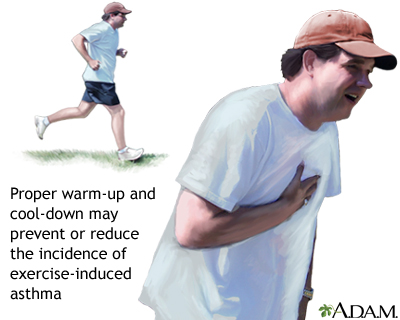
Start every exercise session with a gentle warm-up. This prepares your lungs and muscles for activity. Warm-up helps reduce asthma symptoms by gradually increasing your breathing rate.
After exercising, do a cool-down to slow your breathing and heart rate. It prevents sudden asthma flare-ups. Stretching and slow walking are good cool-down activities.
Choosing Suitable Exercises
Select exercises that are less likely to trigger asthma. Swimming is excellent because warm, moist air helps keep airways open. Walking and cycling at a steady pace are also safe options.
Avoid high-intensity or very cold outdoor activities. These can cause your airways to tighten quickly. Pick activities that allow you to control your breathing easily.
Managing Environmental Triggers
Exercise in places with clean, warm air. Avoid cold, dry, or polluted environments. These conditions can worsen asthma symptoms.
Check the weather and air quality before outdoor workouts. Stay indoors when pollution or pollen counts are high. Using a mask may help reduce exposure to triggers.
Emergency Response Tips
Knowing how to react during an exercise-induced asthma attack is vital. Quick and calm action can prevent serious complications. This section offers essential emergency response tips. These tips help manage symptoms effectively and keep the situation under control until help arrives.
First Aid Steps
Help the person sit upright and lean slightly forward. This position eases breathing. Ask them to use their rescue inhaler immediately. Using a spacer with the inhaler improves medicine delivery. Encourage slow, deep breaths to reduce panic. Stay calm and offer reassurance throughout. Watch for signs if symptoms worsen or do not improve.
When To Seek Medical Help
Call emergency services if the inhaler does not work after a few minutes. Seek help if breathing becomes very difficult or if lips or face turn blue. Immediate care is needed for severe wheezing or persistent coughing. Do not wait if the person feels weak or confused. Quick medical attention can save lives in serious attacks.
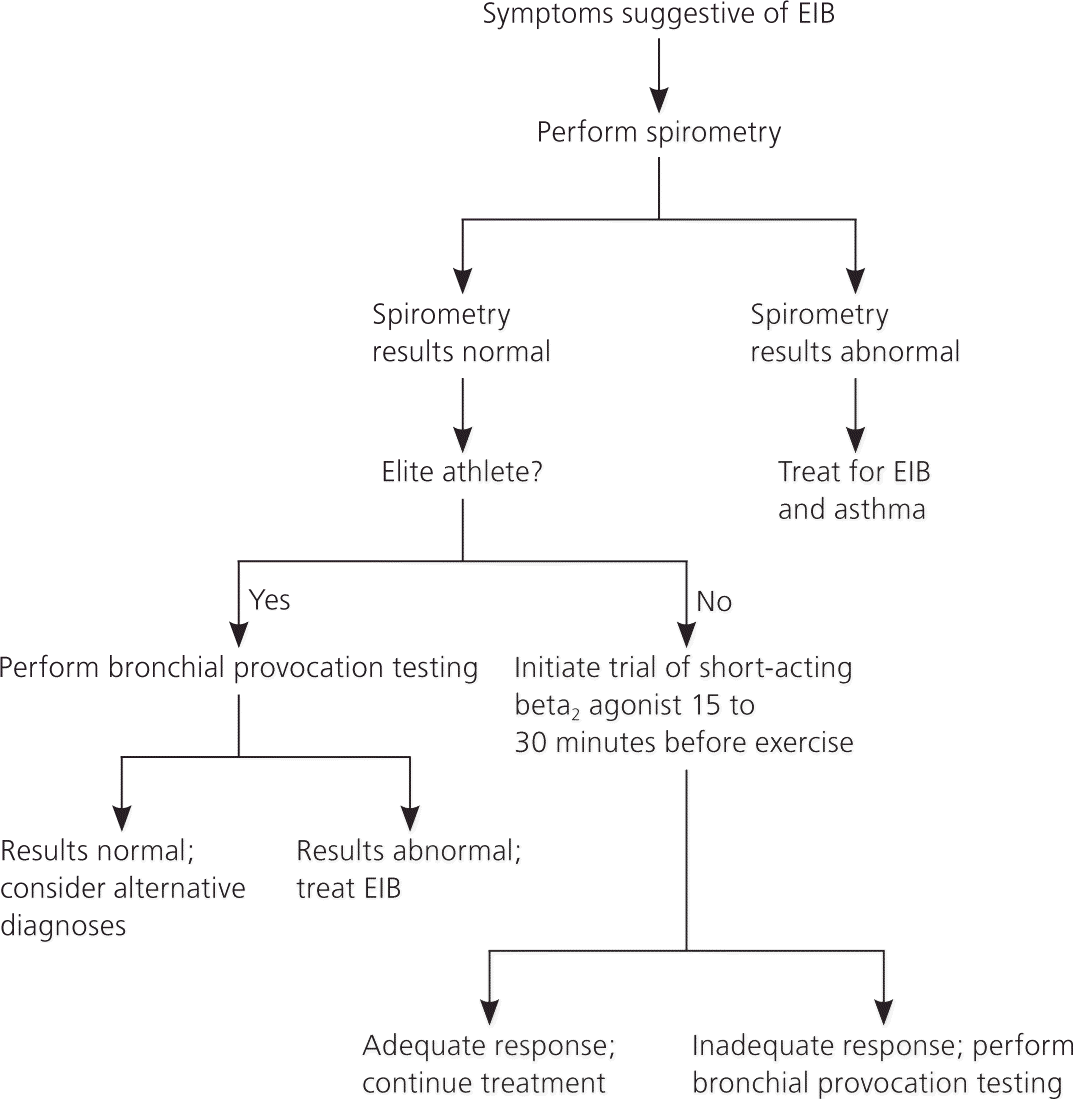
Credit: www.aafp.org
Asthma Action Plans
An Asthma Action Plan helps manage exercise-induced asthma effectively. It guides you through daily treatment and flare-up steps. Having a clear plan reduces risks during physical activity. Understanding symptoms and knowing when to adjust medication is key.
Creating A Personalized Plan
Start by identifying your asthma triggers and symptoms. Note the types of exercise that cause breathing problems. List daily medications and how to use them correctly. Include instructions for using a rescue inhaler during flare-ups. Set clear signs that show worsening asthma. Make the plan simple and easy to follow. Keep the plan accessible during exercise or sports.
Working With Healthcare Providers
Consult your doctor or asthma specialist to develop your plan. They can tailor treatment to your needs and lifestyle. Share details about your exercise routines and asthma history. Ask for advice on adjusting medication before physical activity. Schedule regular check-ups to update the plan as needed. Discuss any side effects or concerns openly. Follow their guidance to stay safe and active.
Natural And Complementary Approaches
Natural and complementary approaches can support managing exercise-induced asthma. These methods focus on improving lung function and reducing symptoms without relying solely on medication. They offer gentle ways to strengthen breathing and overall health.
Such approaches work well alongside medical treatments. Many people find relief by adding simple lifestyle changes. These techniques help control asthma attacks during physical activity.
Breathing Techniques
Controlled breathing can ease asthma symptoms. Techniques like diaphragmatic breathing help increase lung capacity. This method encourages deep breaths from the belly, not the chest. It calms the airways and reduces wheezing.
Another useful method is the Buteyko breathing technique. It focuses on slow, shallow breathing to lower airway irritation. Practicing these exercises daily strengthens respiratory muscles.
Breathing exercises also improve oxygen flow. They teach better breath control during exercise. This reduces the chance of asthma attacks triggered by physical activity.
Diet And Supplements
Eating a healthy diet supports lung health. Foods rich in antioxidants fight inflammation in the airways. Fresh fruits, vegetables, and whole grains are great choices.
Omega-3 fatty acids found in fish oil may reduce airway swelling. Many people with asthma benefit from these supplements. Vitamin D also plays a role in lung function. Low levels can worsen asthma symptoms.
Honey and ginger are natural remedies that soothe the respiratory tract. They can ease coughing and discomfort. Always check with a doctor before starting new supplements to avoid interactions.
Tips For Parents Of Affected Children
Parents play a vital role in managing exercise-induced asthma in children. Understanding the condition and knowing how to handle symptoms can protect your child’s health. Simple steps can reduce asthma attacks and keep kids active and happy.
Being prepared helps parents respond quickly during flare-ups. Consistency in care improves your child’s breathing and comfort.
Managing Asthma In Toddlers
Toddlers need gentle and careful asthma management. Use quick-relief inhalers with a spacer or mask to deliver medicine effectively. Daily controller medicines reduce lung inflammation and prevent attacks.
Avoid common triggers like colds, smoke, and dust. Keep an asthma action plan handy for emergencies. Teach caregivers how to use inhalers and nebulizers properly. This helps toddlers get the right dose and relief fast.
Ensuring Proper Medication Use
Follow the doctor’s instructions exactly for all asthma medications. Give daily medicines even when your child feels well. This keeps asthma under control and lowers attack risk.
Use spacers with inhalers to improve medicine delivery. Check inhaler technique regularly to ensure effectiveness. Keep track of medicine refills and expiration dates to avoid running out.
Watch for side effects and report them to your doctor. Clear communication with healthcare providers helps adjust treatment as needed.
Frequently Asked Questions
What Is The 2 2 2 Rule For Asthma?
The 2 2 2 rule for asthma means using a rescue inhaler less than twice a week, waking at night less than twice a month, and no activity limits. It indicates good asthma control and helps guide treatment adjustments.
What Is The 4 4 4 Rule For Asthma?
The 4-4-4 rule for asthma means taking 4 puffs of a rescue inhaler every 4 hours, up to 4 times daily during flare-ups.
How To Treat Asthma For Toddlers?
Treat toddler asthma using quick-relief inhalers with a spacer for attacks and daily inhaled corticosteroids or Montelukast to reduce inflammation. Avoid triggers like allergens and colds. Follow an Asthma Action Plan and ensure proper inhaler technique for effective treatment.
How Long Until Exercise-induced Asthma Goes Away?
Exercise-induced asthma symptoms usually improve within 30 to 60 minutes after stopping activity. Proper treatment and avoiding triggers help reduce episodes.
Conclusion
Exercise-induced asthma can be managed with the right steps. Use your inhaler before activity to prevent symptoms. Warm up slowly and avoid cold or dry air. Keep your rescue inhaler handy during exercise. Follow your doctor’s advice for daily medications.
Monitor your breathing and know when to rest. Stay consistent with your treatment plan for best results. Small changes make a big difference in your exercise routine. Stay active, but listen to your body’s signals carefully. Managing asthma helps you enjoy fitness safely and comfortably.

“As the voice behind Radiant Glow Health, we are dedicated to being your ultimate wellness and vitality companion. Our mission is to inspire and guide you on your journey to a healthier and more vibrant life. Join us as we explore holistic health practices and empower you to radiate wellness from within.”