Have you ever wondered whether it’s better to exercise before or after breakfast? This simple question can make a big difference in how energized you feel, how well your body performs, and even how effectively you burn fat.
You might be tempted to hit the gym right away on an empty stomach or wait until after you eat, but which choice truly benefits your health and fitness goals? Keep reading to discover the science-backed facts, common pitfalls, and smart tips that will help you decide the best time for your morning workout—so you can get the most out of every sweat session.
Your body and energy levels will thank you!
Credit: totalplumbingfl.com
Fasted Workouts
Fasted workouts mean exercising before eating breakfast. Your body uses stored energy from fat and glycogen. Many try fasted workouts to burn more fat and improve health. These workouts work best when done right after waking up. Some people feel more focused and lighter during fasted sessions. Others may feel tired or weak without fuel. Understanding the effects helps you decide if fasted workouts suit you.
Fat Burning Effects
Fasted workouts may increase fat burning. Without recent food, your body uses fat stores for energy. This happens because blood sugar is low after sleep. Fat burning can be higher in fasted cardio like walking or jogging. But intense exercise may burn less fat if you feel weak. Fat burning also depends on workout length and type. Fasted workouts help some people reduce body fat faster.
Insulin Sensitivity Benefits
Exercising without eating can improve insulin sensitivity. This means your body uses sugar better after exercise. Better insulin sensitivity lowers the risk of type 2 diabetes. It also helps control blood sugar levels. Fasted exercise, especially anaerobic types, may boost this effect. Improved insulin response supports overall metabolic health. Regular fasted workouts can add small but helpful benefits.
Suitable Workout Types
Fasted workouts suit low to moderate intensity exercises. Examples include walking, light jogging, and gentle cycling. These activities use fat for fuel without needing much sugar. Avoid fasted high-intensity or long workouts. Your body may run out of energy, causing fatigue or dizziness. Strength training or sprints need fuel to perform well. Choose workout types based on how your body feels fasting.
Credit: totalplumbingfl.com
Drawbacks Of Exercising Fasted
Exercising on an empty stomach, or fasted exercise, may seem like a good idea to burn fat. Yet, it comes with several drawbacks that can affect your workout and health. Understanding these issues helps you make better choices about when to eat and exercise.
Performance Decline
Low energy levels are common during fasted workouts. Without fuel, your body lacks carbohydrates to power muscles. This reduces strength and endurance. You may feel tired faster and struggle to keep up intensity. Poor performance can limit workout benefits and slow progress.
Muscle Loss Risks
Fasted exercise may cause your body to break down muscle for energy. When carbohydrate stores run low, muscles become a source of fuel. This can lead to muscle loss over time. Losing muscle reduces metabolism and makes it harder to stay fit. Eating before exercise helps preserve muscle mass.
Symptoms Of Low Blood Sugar
Exercising without eating can cause low blood sugar, or hypoglycemia. Symptoms include dizziness, shakiness, headache, and fatigue. These signs can make exercise unsafe and unpleasant. Severe low blood sugar may lead to fainting. Small snacks before workouts help prevent these symptoms.
Impact On Recovery
Fast workouts deplete glycogen, the stored carbohydrate in muscles. Without enough glycogen, recovery slows down. Muscles need fuel to repair and grow after exercise. Poor recovery can cause soreness and increase injury risk. Eating after exercise replenishes glycogen and supports muscle repair.

Credit: totalplumbingfl.com
Frequently Asked Questions
Should You Exercise On An Empty Stomach In The Morning?
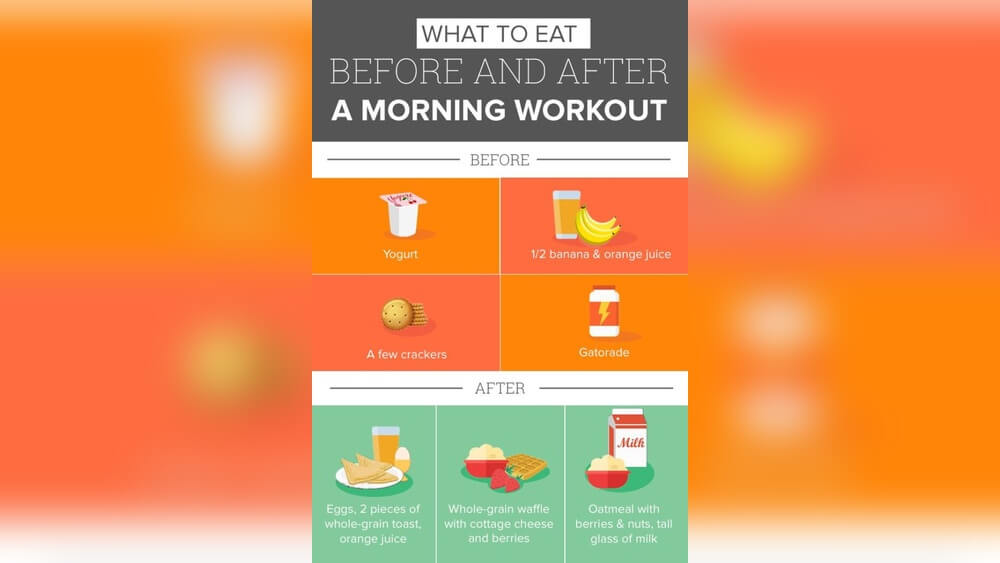
Exercising on an empty stomach suits low-intensity cardio and may boost fat burning. For intense or long workouts, eat carbs and protein first to maintain energy and performance. If you feel weak, eat a small snack like a banana before exercising.
What Is The 3-3-3 Rule For Workout?
The 3-3-3 rule means doing 3 sets of 3 exercises, each with 3 repetitions, for an efficient workout.
What Is The 2 2 2 Rule In Gym?
The 2 2 2 rule in gym means performing 2 sets of 2 exercises with 2 minutes rest between each set. It boosts strength and endurance efficiently.
Does Exercising Before Breakfast Burn More Fat?
Exercising before breakfast may increase fat burning during low-intensity cardio. For intense workouts, eating first boosts energy and performance. Choose based on workout type and listen to your body.
Conclusion
Choosing to exercise before or after breakfast depends on your workout type and goals. Fasted exercise works well for light cardio and fat burning. Eating first suits intense or longer workouts, improving energy and muscle protection. Always listen to your body’s signals.
Feeling weak means you should eat a small snack. Balance is key for a healthy routine. Try both methods and see which feels better. Your body knows best.

“As the voice behind Radiant Glow Health, we are dedicated to being your ultimate wellness and vitality companion. Our mission is to inspire and guide you on your journey to a healthier and more vibrant life. Join us as we explore holistic health practices and empower you to radiate wellness from within.”