Are you wondering how many cardio exercises you really need to do to stay healthy and fit? You might think that more is always better, but that’s not necessarily true.
Doing the right amount of cardio can boost your energy, improve your heart health, and help you lose weight—all without overwhelming your schedule. You’ll discover the minimum number of cardio exercises you should perform to get real results. Keep reading, and you’ll find simple, effective ways to build a routine that fits your life and keeps you motivated.

Credit: hydrow.com
Cardio Basics
Cardio exercises serve different purposes depending on your fitness goals. The type, frequency, and intensity of cardio vary by what you want to achieve. Choosing the right approach helps you reach your targets faster and safer.
Below are key cardio strategies tailored for various goals.
Fat Loss Strategies
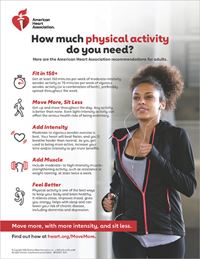
Fat loss requires consistent calorie burning. Aim for at least 150 minutes of moderate cardio weekly. Activities like brisk walking, cycling, or jogging work well. Include high-intensity interval training (HIIT) twice a week. HIIT boosts metabolism and burns fat even after exercise. Combine cardio with strength training for best results.
Endurance Building
Endurance means lasting longer during physical activity. Perform cardio 4 to 5 times per week. Sessions should last 30 to 60 minutes at a steady pace. Running, swimming, and cycling improve heart and lung capacity. Gradually increase time and intensity to build stamina. Consistency is key for endurance gains.
General Fitness Maintenance
General fitness keeps your body healthy and active. Aim for 150 minutes of moderate cardio each week. Mix walking, dancing, or light jogging for variety. Regular cardio lowers heart disease risk and improves mood. Keep workouts enjoyable to stay motivated over time.
Daily Cardio Recommendations
Starting cardio exercises can feel overwhelming for beginners. Choosing simple and manageable options helps build confidence. The right exercises improve heart health without causing injury. Beginners should focus on easy movements that fit daily routines. Consistency matters more than intensity at the start. Below are some beginner-friendly cardio choices to consider.
Low-impact Exercises
Low-impact cardio exercises reduce stress on joints. They suit people new to fitness or with mobility issues. Walking at a steady pace is a perfect example. Cycling on a stationary bike offers gentle resistance. Swimming allows full-body movement without harsh impact. These activities raise heart rate safely and improve endurance. Beginners can start with 10 to 20 minutes sessions. Gradually increasing time helps build stamina over weeks.
Simple Home Workouts
Home workouts require no special equipment or gym visits. Marching in place or stepping side to side works well. Jumping jacks and modified squats add variety and intensity. Dancing to favorite songs makes cardio enjoyable. Online videos provide guided routines for beginners. These workouts fit into small time slots easily. Doing 15 to 30 minutes several days a week is enough. The key is to keep moving and stay consistent.
Benefits Of Regular Cardio
Preventing burnout and injury is essential when planning your cardio workouts. Doing too much cardio without breaks can exhaust your body and mind. Overtraining increases the risk of injury and slows progress. Smart training balances effort and rest to keep you healthy and motivated.
Rest And Recovery Days
Rest days help your muscles heal and grow stronger. They reduce fatigue and lower injury risks. Recovery allows your heart rate and breathing to return to normal. Plan at least one or two rest days each week. Use these days for light activities like walking or stretching. This balance keeps your body ready for the next workout.
Signs Of Overdoing Cardio
Watch for constant tiredness or soreness. Feeling weak or having trouble sleeping are warning signs. A drop in performance or lack of motivation may mean too much cardio. Pain in joints or muscles that lasts more than a day needs attention. Ignoring these signs can lead to serious injuries. Listen to your body and adjust your workouts accordingly.
Credit: www.heart.org

Credit: www.medicalnewstoday.com
Frequently Asked Questions
How Many Cardio Exercises Should I Do?
Aim for at least 150 minutes of moderate cardio weekly, splitting into 3-5 sessions. Include variety for best results.
What Is The 4 8 12 Rule?
The 4 8 12 rule guides workout sets: perform 4 sets of 8 to 12 reps per exercise for muscle growth.
What Is The 3-3-3 Rule For Working Out?
The 3-3-3 rule splits workouts into three circuits, each with three exercises, repeated three times. It boosts efficiency and consistency.
What Is The 2 2 2 Rule In Gym?
The 2 2 2 rule in the gym means performing 2 sets of 2 different exercises, twice per week. It balances strength and recovery.
Conclusion
Finding the right amount of cardio helps keep your heart healthy. Aim for at least 150 minutes of moderate exercise weekly. You can split this time into shorter sessions each day. Consistency matters more than doing too much at once.
Choose exercises you enjoy to stay motivated. Remember, any movement is better than none. Start slow and increase as your fitness improves. Keep your routine simple and steady for lasting benefits. Your body will thank you with better energy and health.

“As the voice behind Radiant Glow Health, we are dedicated to being your ultimate wellness and vitality companion. Our mission is to inspire and guide you on your journey to a healthier and more vibrant life. Join us as we explore holistic health practices and empower you to radiate wellness from within.”