“How to Exercise With Exercise Intolerance?”
If you struggle with exercise intolerance, you know how frustrating it can be to feel tired or uncomfortable even during simple activities. But here’s the good news: you don’t have to give up on moving your body.
With the right approach, you can build strength and stamina without overwhelming yourself. This guide will show you how to exercise safely and effectively, step by step. You’ll learn how to listen to your body, pace yourself, and find activities that bring you joy—all while respecting your limits.
Keep reading to discover practical tips that can help you regain control over your fitness and feel better every day.
Exercise Intolerance Basics
Exercise intolerance means having trouble doing physical activity without feeling very tired or unwell. People with this condition might find it hard to keep up with exercise like others. Understanding the basics helps in managing and improving fitness safely.
Knowing what signs to watch for and what causes exercise intolerance is important. This knowledge guides how to plan workouts that suit your body’s needs.
Common Symptoms
Feeling very tired quickly during exercise is a main symptom. Shortness of breath can happen even with mild activity. Some feel muscle weakness or pain after moving. Dizziness or a fast heartbeat might occur during or after exercise. These symptoms often stop you from exercising like before.
Underlying Causes
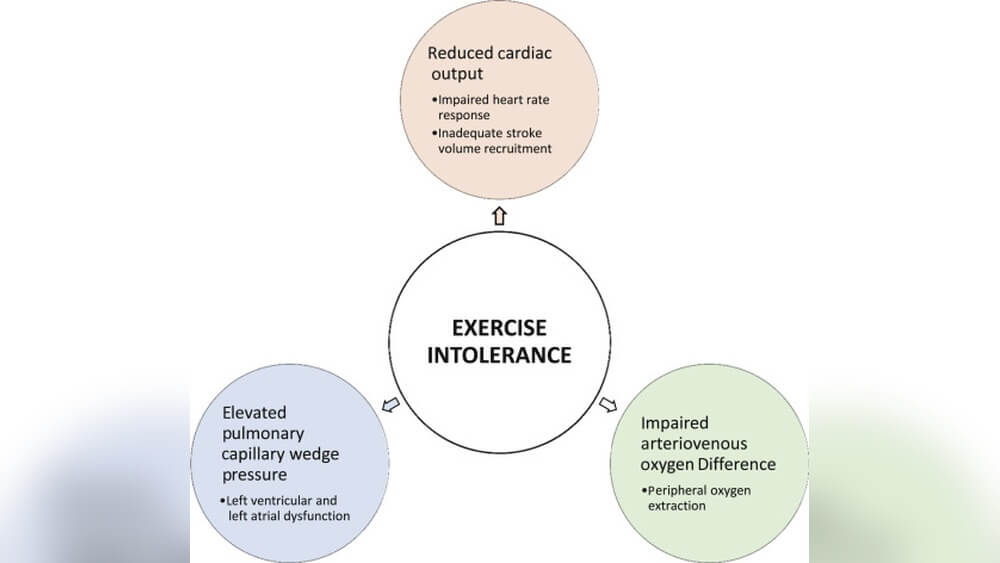
Exercise intolerance can come from many health problems. Heart or lung diseases reduce how well your body uses oxygen. Muscle disorders affect strength and stamina. Some metabolic conditions cause energy supply to be low. Autoimmune diseases may increase fatigue and muscle pain. Even infections or poor nutrition play a role.
Planning Your Workouts
Planning your workouts carefully is essential when managing exercise intolerance. Thoughtful scheduling helps improve your strength and endurance without causing excessive fatigue. It also supports steady progress and keeps you motivated.
Creating a balanced workout plan allows you to target different muscle groups and energy systems. Including rest and recovery days prevents overexertion and helps your body heal. This approach promotes long-term fitness and well-being.
Balancing Strength And Cardio
Combine strength training with light cardio exercises to build muscle and improve heart health. Strength workouts can include resistance bands, light weights, or bodyweight moves. Cardio activities might be slow walking, cycling, or swimming at a comfortable pace.
Alternate between these exercises on different days or in the same session with breaks. This balance helps avoid overwhelming your system and reduces the risk of flare-ups.
Incorporating Rest And Recovery
Rest days are as important as workout days. They give your muscles time to recover and energy levels a chance to restore. Schedule at least one or two rest days each week, depending on how your body responds.
Use active recovery on some rest days. Gentle stretching, deep breathing, or light walking can aid circulation without causing strain. Listening to your body’s signals ensures you avoid pushing too hard.
Starting Small
Starting small is essential for exercising with exercise intolerance. It helps your body adjust without causing too much strain or fatigue. Begin with gentle movements and short sessions. Gradually increase time and intensity as you feel stronger. This approach builds confidence and reduces the risk of setbacks.
Short Activity Bursts
Short activity bursts are easier to manage than long workouts. Try moving for just 2 to 5 minutes at a time. Simple actions like stretching, slow walking, or light arm exercises work well. These brief bursts improve circulation and muscle strength without overwhelming your body. Repeat these bursts several times a day to stay active.
Pacing And Breaks
Pacing means balancing work and rest carefully. Take breaks often to avoid feeling too tired. Rest periods help your body recover and reduce symptom flare-ups. Listen to your body’s signals. Stop or slow down if you feel pain, dizziness, or extreme fatigue. Slow, steady progress is better than pushing too hard.

Credit: www.sciencedirect.com
Adapting Exercises
Adapting exercises is essential for those with exercise intolerance. It allows staying active without causing harm or extreme fatigue. Adjusting movements helps maintain fitness at a comfortable pace. The goal is to support health gently and safely.
Modified Movements
Change traditional exercises to reduce strain on the body. Use smaller ranges of motion to avoid overexertion. For example, bend knees slightly during squats instead of full depth. Slow down the pace to control breathing and heart rate. Focus on form rather than speed or intensity. This approach helps build strength without triggering symptoms.
Seated And Low-impact Options
Seated exercises reduce pressure on joints and muscles. Chair yoga or seated marches are good choices. Low-impact activities like swimming or cycling minimize stress while boosting endurance. These options keep the body moving without harsh impact. They also allow easy breaks and control over effort levels.
Staying Motivated
Staying motivated is key to exercising with exercise intolerance. It helps you keep going, even on tough days. Motivation grows when activities feel good and progress is visible. Small wins build confidence and make exercise part of your routine. Finding joy and tracking improvements can turn exercise into a positive habit.
Choosing Enjoyable Activities
Select exercises that bring you pleasure. Enjoyment makes it easier to stay consistent. Gentle walking, swimming, or stretching can be fun and manageable. Try different activities until you find what feels right. Enjoyable exercises reduce stress and increase your willingness to move regularly. Focus on what your body likes, not what seems popular.
Tracking Progress
Keep a simple log of your workouts and feelings. Write down the type of exercise, duration, and how you felt afterward. Seeing progress, even small, encourages you to continue. Note improvements in energy or mood to remind yourself of benefits. Tracking helps you adjust your plan and celebrate achievements.
Medical Guidance
Medical guidance plays a vital role in exercising with exercise intolerance. Proper advice helps create safe and effective workout plans. It ensures physical activity does not worsen symptoms or cause harm. Consulting medical professionals provides personalized support based on individual health status.
Consulting Healthcare Providers
Start by talking to your primary care doctor or specialist. They understand your medical history and current condition. Share your exercise goals and concerns openly. Your provider can assess your limits and risks. They may recommend tests to evaluate your heart, lungs, or muscles. This information helps tailor an exercise plan that suits your needs.
Healthcare providers can monitor your progress and adjust advice. Regular checkups keep your plan safe and effective. They also teach you how to recognize warning signs. Never ignore unusual pain, dizziness, or extreme fatigue. Reporting these symptoms helps prevent complications.
Therapy And Treatment Options
Therapists such as physical or occupational therapists offer specialized guidance. They design exercises that improve strength and endurance gradually. Therapy focuses on increasing function without triggering intolerance symptoms. Techniques may include pacing, energy conservation, and breathing exercises.
Some patients benefit from medical treatments alongside exercise. Medications can manage underlying causes or symptoms. Treatment plans often combine drugs with physical activity for best results. Your healthcare team will guide you on the right balance. Following their instructions supports safer and more effective exercise routines.
Avoiding Setbacks
Exercise intolerance can make physical activity challenging. Avoiding setbacks is key to steady progress and safety. Setting clear limits helps prevent exhaustion and injury. Careful planning and awareness keep workouts manageable and beneficial. Staying mindful of your body’s signals reduces risks and supports recovery.
Recognizing Warning Signs
Know the signs that tell you to stop. Sudden fatigue, dizziness, or chest pain are red flags. Increased shortness of breath or muscle weakness also signal trouble. Pay attention to unusual sweating or nausea. Early recognition lets you pause before problems grow. Ignoring symptoms can worsen your condition.
Preventing Overexertion
Start with low intensity and short duration exercises. Gradually increase effort only as you feel stronger. Take frequent breaks to avoid pushing too hard. Use a timer or heart rate monitor to guide pace. Rest days are essential to heal and regain energy. Balance activity with recovery to keep setbacks away.

Credit: news.yale.edu
Support Resources
Support resources play a vital role in managing exercise intolerance. They offer guidance, encouragement, and practical tools. Accessing the right support can make exercising safer and more effective. Many people benefit from professional advice and community connections. These resources help tailor exercise plans to individual needs and limits.
Working With Professionals
Health professionals provide essential support for exercise intolerance. Doctors, physical therapists, and exercise specialists design safe workouts. They monitor progress and adjust plans as needed. Professionals help identify warning signs and prevent injuries. Their expertise ensures exercise matches your health condition. Regular check-ins create a structured and confident approach. This guidance reduces fear and builds trust in your body’s signals.
Community And Online Tools
Communities offer emotional support and shared experiences. Local groups or online forums connect people facing similar challenges. Sharing tips and success stories boosts motivation. Online tools include apps for tracking symptoms and activity. Some platforms provide video workouts adapted for low energy levels. These resources make exercising more accessible and less lonely. Finding a community adds accountability and friendship to your journey.

Credit: www.youtube.com
Frequently Asked Questions
What Is The 3 3 3 Rule For Exercise?
The 3 3 3 rule for exercise involves three days of strength training, three days of cardio, and three days of rest or active recovery each week. This balance improves overall fitness, prevents burnout, and supports proper recovery.
Can Exercise Intolerance Be Reversed?
Exercise intolerance can often be improved or reversed with consistent, gradual exercise training and proper medical guidance.
What Is The 2 2 2 Rule In Gym?
The 2 2 2 rule in gym means performing 2 sets of 2 exercises for 2 minutes each. It boosts workout efficiency and balance.
Can Exercise Trigger An Autoimmune Response?
Exercise rarely triggers autoimmune responses in healthy individuals. Moderate exercise often reduces inflammation and improves autoimmune symptoms. Intense or excessive exercise might temporarily increase inflammation but usually does not cause autoimmune diseases. Always consult a doctor before starting exercise if you have an autoimmune condition.
Conclusion
Exercising with exercise intolerance takes patience and care. Start slowly and listen to your body’s signals. Break activities into small, manageable parts with rest in between. Choose movements you enjoy to keep motivation high. Modify exercises to fit your energy and ability levels.
Consistency matters more than intensity in building strength. Seek guidance from professionals for safe, personalized plans. Tracking your progress helps you stay aware and adjust as needed. Small steps add up to better health over time. Keep moving gently and celebrate each success along the way.

“As the voice behind Radiant Glow Health, we are dedicated to being your ultimate wellness and vitality companion. Our mission is to inspire and guide you on your journey to a healthier and more vibrant life. Join us as we explore holistic health practices and empower you to radiate wellness from within.”