
Why is Having Good Eating Habits Important?
Have you ever wondered how much your daily food choices shape your life? The truth is, having good eating habits isn’t just about staying in shape—it directly impacts your energy, mood, and even how well your brain works.
When you fuel your body with the right foods, you lower your risk of serious illnesses like heart disease and diabetes, boost your immune system, and enjoy better sleep. Imagine waking up feeling refreshed, tackling your day with more focus, and keeping stress at bay—all by simply improving what’s on your plate.
Keep reading to discover why good eating habits are so important and how they can transform your health and happiness for the better.
Lowers Chronic Disease Risk
Good eating habits play a key role in lowering the risk of chronic diseases. Choosing nutritious foods supports the body’s ability to fight illness. A balanced diet helps keep organs healthy and functioning well. Simple changes in diet can reduce chances of serious health issues.
Impact On Heart Health
Healthy eating protects the heart by reducing bad cholesterol. Foods rich in fiber and healthy fats improve blood flow. Controlling salt intake helps maintain normal blood pressure. A strong heart lowers risks of heart attacks and strokes.
Prevention Of Diabetes
Eating well helps control blood sugar levels. Whole grains and vegetables slow sugar absorption in the body. Avoiding excess sugar reduces the chance of insulin resistance. Managing weight through diet lowers the risk of type 2 diabetes.
Reducing Cancer Risks
Certain foods contain antioxidants that protect cells from damage. Fruits and vegetables provide vitamins that support the immune system. Limiting processed and red meats lowers cancer risks. A diet high in plant-based foods can help prevent some cancers.

Credit: www.everydayhealth.com
Supports Healthy Weight
Maintaining good eating habits plays a key role in supporting a healthy weight. Choosing the right foods helps the body stay balanced. It prevents weight gain and lowers the risk of many health problems. Eating well is not just about losing weight. It is about keeping the body strong and active for life.
Role Of Whole Foods
Whole foods include fruits, vegetables, grains, nuts, and seeds. They provide important nutrients and fiber. Fiber helps you feel full longer, reducing overeating. Whole foods have fewer added sugars and unhealthy fats. These foods help control calorie intake naturally. Eating more whole foods supports steady weight management.
Avoiding Obesity
Obesity increases the risk of many diseases. It can lead to heart problems, diabetes, and other health issues. Good eating habits help prevent obesity. Choosing healthy meals stops excess fat buildup. Managing weight reduces stress on the body. A balanced diet keeps weight in a healthy range.
Managing Hypertension And Osteoarthritis
Eating well helps control blood pressure and joint health. Excess weight raises the chance of hypertension and osteoarthritis. Healthy foods lower inflammation and improve blood flow. Losing extra pounds eases pressure on joints. Proper diet supports better overall health and mobility.
Boosts Energy And Mood
Good eating habits play a key role in keeping energy levels high and mood stable. The foods we eat directly affect how our body and mind function every day. Choosing the right foods helps us feel awake, alert, and emotionally balanced. Low energy and mood swings often come from poor eating choices. Simple changes in diet can lead to big improvements in how we feel.
Nutrient Sources For Energy
Energy comes from the nutrients in food. Carbohydrates provide quick energy, especially from whole grains like oats and brown rice. Proteins help repair and build muscles, giving lasting energy. Healthy fats from nuts and avocados support brain function and keep energy steady. Vitamins such as B-complex help convert food into fuel. Eating a balanced mix of these nutrients keeps energy levels stable all day.
Food Effects On Mental Well-being
Food impacts brain chemicals that control mood. Omega-3 fats found in fish improve brain health and reduce feelings of sadness. Fruits and vegetables contain antioxidants that protect brain cells and lower stress. Avoiding too much sugar and processed foods helps prevent mood swings. Regular meals with the right nutrients support clearer thinking and a more positive mood.
Stress Management Benefits
Good eating habits help the body handle stress better. Magnesium in leafy greens relaxes muscles and calms the mind. Complex carbohydrates increase serotonin, a chemical that improves mood and reduces anxiety. Staying hydrated also helps the body stay calm. Balanced meals prevent blood sugar spikes that can cause irritability. Overall, healthy food choices make it easier to stay calm under pressure.
Strengthens Immunity And Digestion
Good eating habits play a key role in boosting immunity and improving digestion. A balanced diet provides essential nutrients that help the body fight infections. It also supports the digestive system to work efficiently. Strong immunity and healthy digestion reduce illness and improve overall health.
Vitamins And Minerals For Immunity
Vitamins like A, C, and D are vital for a strong immune system. Minerals such as zinc and iron help the body produce immune cells. Eating a variety of fruits, vegetables, and lean proteins ensures you get these nutrients. This helps the body defend against germs and recover faster from sickness.
Fiber And Probiotics For Gut Health
Fiber promotes regular bowel movements and feeds good gut bacteria. Probiotics are live bacteria that keep the gut balanced and healthy. Yogurt, kefir, and fermented foods contain probiotics. Eating fiber-rich foods like whole grains and fruits supports digestion and gut health.
Preventing Digestive Issues
Good eating habits reduce the risk of constipation, bloating, and acid reflux. Drinking enough water and eating fiber helps prevent constipation. Avoiding processed foods and excess sugar lowers the chance of digestive problems. Healthy digestion keeps you comfortable and improves nutrient absorption.
Improves Brain Health And Sleep
Good eating habits play a key role in improving brain health and sleep quality. What you eat affects how well your brain works and how deeply you sleep. Proper nutrition fuels the brain, sharpens focus, and supports memory. It also helps regulate sleep patterns, making rest more refreshing. Healthy foods offer essential nutrients that protect brain cells and calm the mind. Better brain function and restful sleep improve daily life and overall well-being.
Antioxidants And Cognitive Function
Antioxidants fight harmful molecules called free radicals in the brain. These molecules can damage brain cells and lead to memory loss. Foods rich in antioxidants include berries, nuts, and green leafy vegetables. Eating these foods helps keep the brain sharp and reduces the risk of cognitive decline. Antioxidants support learning and protect brain health over time.
Healthy Fats And Brain Protection
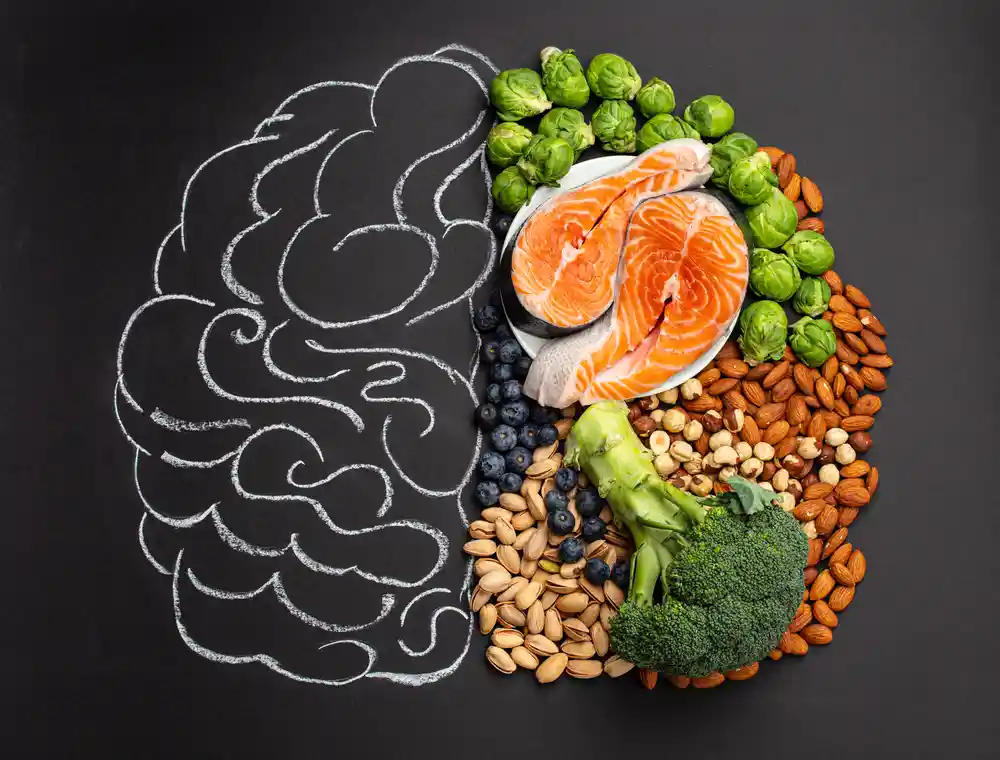
The brain needs healthy fats to work well. Omega-3 fatty acids found in fish, walnuts, and flaxseeds support brain cell structure. These fats protect the brain from inflammation and damage. Healthy fats improve mood, memory, and attention. Including these fats in your diet helps maintain strong brain function as you age.
Foods That Promote Restful Sleep
Certain foods can improve sleep quality and help you fall asleep faster. Foods rich in magnesium, like almonds and spinach, relax muscles and calm the mind. Tryptophan, found in turkey and dairy, boosts melatonin production, the hormone that controls sleep. Avoiding caffeine and heavy meals before bed also promotes deeper, more restful sleep. Eating well supports the body’s natural sleep rhythms.

Credit: fortsmithhospital.com
Enhances Skin And Physical Appearance
Good eating habits play a key role in enhancing skin and physical appearance. What you eat reflects on your skin’s health and glow. Healthy foods provide essential nutrients that keep skin clear and vibrant. Poor diet can cause dullness, dryness, or breakouts. Consuming balanced meals helps maintain youthful and radiant skin naturally.
Vitamins For Skin Health
Vitamins such as A, C, and E support skin repair and protection. Vitamin A helps reduce wrinkles and fine lines by promoting cell turnover. Vitamin C boosts collagen production, making skin firm and elastic. Vitamin E protects skin from damage caused by free radicals. These vitamins work together to keep skin smooth and healthy.
Reducing Acne And Inflammation
Eating foods rich in antioxidants and omega-3 fats reduces acne and inflammation. Antioxidants fight harmful toxins that cause skin problems. Omega-3 fatty acids calm redness and swelling. Avoiding sugary and greasy foods lowers the chance of breakouts. Good eating habits balance oil production and prevent clogged pores.
Hydration And Skin Glow
Water and water-rich foods keep skin hydrated and glowing. Proper hydration improves skin elasticity and prevents dryness. Fruits like watermelon and cucumbers add moisture to the skin. Drinking enough water flushes out toxins that dull skin. Hydrated skin looks plump, fresh, and radiant all day.
Encourages Long-term Wellness
Good eating habits play a key role in promoting long-term wellness. They help maintain the body’s strength and keep illnesses away. Consistent healthy choices build a foundation for a better quality of life over time.
Preventative Healthcare Role
Eating well lowers the risk of many chronic diseases. Conditions like heart disease, diabetes, and obesity can be prevented. Nutrient-rich foods support the immune system and reduce inflammation. This helps the body fight off sickness and heal faster.
Setting Healthy Habits Early
Starting good eating habits at a young age benefits lifelong health. Children learn to enjoy nutritious foods and avoid unhealthy ones. These habits reduce the chance of health problems later in life. Early education about food choices encourages mindful eating.
Sustaining Energy For Daily Life
Balanced meals provide steady energy throughout the day. Proper nutrition helps maintain focus, mood, and physical activity. Avoiding sugary or processed foods prevents energy crashes. Good eating supports productivity and overall well-being daily.
Credit: wellchild.info
Frequently Asked Questions
Why Are Healthy Eating Habits Important?
Healthy eating habits reduce chronic disease risk, boost immunity, improve mood and energy, support weight management, and enhance brain and gut health.
What Are 5 Benefits Of Healthy Eating?
Healthy eating lowers chronic disease risk, supports weight management, boosts energy and mood, strengthens immunity, and improves brain function and sleep.
What Are Three Main Reasons For Eating Healthy?
Eating healthy boosts energy and mood, supports a strong immune system, and lowers the risk of chronic diseases.
Why Is It Important To Eat Good Food In Life?
Eating good food fuels your body with essential nutrients, boosts energy, strengthens immunity, supports brain health, and reduces chronic disease risks.
Conclusion
Good eating habits build a strong foundation for your health. They help reduce risks of many diseases and keep your weight steady. Eating well gives you more energy and lifts your mood daily. A balanced diet also supports your immune system and improves digestion.
Clear thinking and better sleep come from healthy food choices. Small changes in eating can lead to big benefits over time. Start with simple steps and enjoy a happier, healthier life.

“As the voice behind Radiant Glow Health, we are dedicated to being your ultimate wellness and vitality companion. Our mission is to inspire and guide you on your journey to a healthier and more vibrant life. Join us as we explore holistic health practices and empower you to radiate wellness from within.”