
Are you looking for a tasty way to boost your health? Cantaloupe is more than just a sweet, refreshing fruit—it’s packed with nutrients that can support your body in many powerful ways.
From strengthening your immune system to keeping your skin glowing, this vibrant melon offers a natural boost you won’t want to miss. Curious about how adding cantaloupe to your diet can improve your eye health, digestion, and heart function? Keep reading to discover the impressive nutritional benefits of eating cantaloupe and why it deserves a spot on your plate every day.
Key Benefits
Cantaloupe offers many key health benefits. This sweet fruit is rich in vitamins, minerals, fiber, and antioxidants. These nutrients support several important body functions. Eating cantaloupe regularly can help improve your overall health in simple ways.
Here are the main nutritional benefits of eating cantaloupe.
Immune Support
Cantaloupe contains high levels of Vitamin C and beta-carotene. These nutrients boost your immune system. They help your body fight infections and heal wounds faster. A strong immune system keeps you healthy and less prone to illnesses.
Eye Health
This fruit has beta-carotene, lutein, and zeaxanthin. These antioxidants protect your eyes from damage. They reduce the risk of age-related vision problems like macular degeneration. Eating cantaloupe supports clear and healthy vision as you age.
Heart Health
Cantaloupe is a good source of potassium. Potassium helps control blood pressure by balancing fluids in the body. The antioxidants in cantaloupe also reduce inflammation. This lowers the risk of heart disease and keeps your heart strong.
Digestion
The fiber and water in cantaloupe promote healthy digestion. They help keep your bowel movements regular. Proper digestion prevents constipation and supports nutrient absorption. Eating cantaloupe aids in maintaining a healthy digestive system.
Antioxidant Power
Cantaloupe is rich in antioxidants that fight free radicals. Free radicals cause cell damage and increase chronic disease risk. Antioxidants protect your cells and reduce inflammation. This helps lower the chances of diseases like cancer and diabetes.
Nutritional Highlights
Cantaloupe offers a rich blend of nutrients that nourish the body in many ways. This fruit provides essential vitamins, minerals, fiber, and water, making it a healthy choice for daily consumption. Its nutrient content supports various body functions, including immunity, hydration, and digestion.
Vitamins
Cantaloupe is rich in vitamin C, which helps boost the immune system. It also contains vitamin A in the form of beta-carotene, essential for good vision and skin health. Small amounts of folate support cell growth and repair. These vitamins work together to keep the body strong and healthy.
Minerals
This fruit supplies important minerals like potassium, which helps control blood pressure. Magnesium in cantaloupe aids muscle and nerve function. Phosphorus supports healthy bones and teeth. These minerals contribute to heart health and overall body balance.
Fiber And Water
Cantaloupe contains fiber that helps digestion and prevents constipation. Its high water content keeps the body hydrated, especially in hot weather. Together, fiber and water promote regular bowel movements and support kidney health.
Hydration And Fluid Balance
Cantaloupe plays a key role in keeping the body hydrated. Its high water content helps maintain proper fluid levels. Staying hydrated supports many body functions, from temperature control to joint lubrication.
Eating cantaloupe supplies fluids that the body needs to work well. It also contains important minerals that manage fluid balance in cells. These nutrients help prevent dehydration and keep energy levels steady.
High Water Content For Hydration
About 90% of cantaloupe is water. This makes it an excellent fruit to eat during hot days or after exercise. Drinking water is good, but eating cantaloupe adds hydration and valuable nutrients.
Potassium Helps Regulate Fluids
Cantaloupe contains potassium, a mineral that controls fluid balance. Potassium works with sodium to keep cells hydrated and prevent swelling. Proper potassium levels can support healthy blood pressure.
Supports Electrolyte Balance
Electrolytes like potassium and magnesium in cantaloupe help nerves and muscles function. They maintain the right fluid balance inside and outside cells. This balance is essential for muscle strength and heart health.
:max_bytes(150000):strip_icc()/cantaloupe-c8b67c6d843a48c7a56980f6248839fa.jpg "What are the Nutritional Benefits of Eating Cantaloupe: Essential Health Boosts 2")
Credit: www.verywellfit.com
Anti-inflammatory Effects
Cantaloupe offers natural compounds that help reduce inflammation in the body. Chronic inflammation can cause many health problems. Eating foods with anti-inflammatory effects supports overall health and comfort.
This melon contains antioxidants and vitamins that lower inflammation. These nutrients help protect cells and tissues from damage. Including cantaloupe in your diet may help ease inflammation-related symptoms.
Antioxidants That Fight Inflammation
Cantaloupe is rich in antioxidants like beta-carotene and vitamin C. These antioxidants neutralize harmful molecules called free radicals. Free radicals can trigger inflammation and damage cells. By eating cantaloupe, you supply your body with these protective compounds.
Vitamin C’s Role In Reducing Inflammation
Vitamin C in cantaloupe helps lower inflammatory markers. It supports the immune system and repairs damaged tissues. This vitamin also aids in producing collagen, which promotes healthy skin and joints.
Beta-carotene And Its Anti-inflammatory Benefits
Beta-carotene converts into vitamin A in the body. Vitamin A helps control inflammation and supports the immune response. Regular intake of beta-carotene-rich foods like cantaloupe may reduce risks of inflammatory diseases.
Cancer Risk Reduction
Cantaloupe offers valuable nutrients that may help reduce cancer risk. This fruit contains antioxidants and vitamins that protect cells from damage. Eating cantaloupe supports the body’s defense against harmful free radicals.
Cancer-fighting Antioxidants In Cantaloupe
Cantaloupe is rich in beta-carotene, a powerful antioxidant. Beta-carotene converts to vitamin A, which helps protect cells. It neutralizes free radicals that can cause cancer cell growth. The fruit also provides vitamin C, another antioxidant that supports immune health.
Role Of Vitamin C In Cancer Prevention
Vitamin C strengthens the immune system and helps repair damaged tissues. It may reduce the risk of certain cancers by protecting DNA from damage. Cantaloupe’s vitamin C content makes it a healthy, natural choice for cancer risk reduction.
How Fiber In Cantaloupe Supports Cancer Risk Reduction
Fiber improves digestion and helps remove toxins from the body. A diet high in fiber lowers the risk of colorectal cancer. Cantaloupe contains dietary fiber that aids in maintaining a healthy digestive tract.
Skin Health Benefits
Cantaloupe offers many benefits for your skin. It is rich in vitamins and antioxidants that help protect and nourish your skin. Eating cantaloupe regularly can improve skin texture and glow.
Vitamin A For Skin Repair
Cantaloupe contains high levels of vitamin A. This vitamin supports skin cell growth and repair. It helps reduce dryness and keeps skin soft. Vitamin A also promotes healing of minor skin damage.
Vitamin C Boosts Collagen Production
The fruit is a great source of vitamin C. Vitamin C helps your body make collagen. Collagen keeps skin firm and elastic. Eating cantaloupe helps reduce wrinkles and fine lines.
Hydration For Healthy Skin
Cantaloupe has over 90% water content. This helps keep your skin hydrated from within. Proper hydration prevents dryness and flakiness. Well-hydrated skin looks smooth and radiant.
Antioxidants Protect Against Skin Damage
Antioxidants in cantaloupe fight free radicals. Free radicals cause early skin aging and damage. Beta-carotene and lutein protect skin cells from harm. These antioxidants help maintain a youthful skin appearance.
Ways To Enjoy Cantaloupe
Cantaloupe is a tasty and healthy fruit. It fits well in many meals and snacks. Eating cantaloupe can be fun and easy. There are many simple ways to enjoy this juicy melon. Each way brings out its sweet flavor and nutrition.
Fresh Consumption
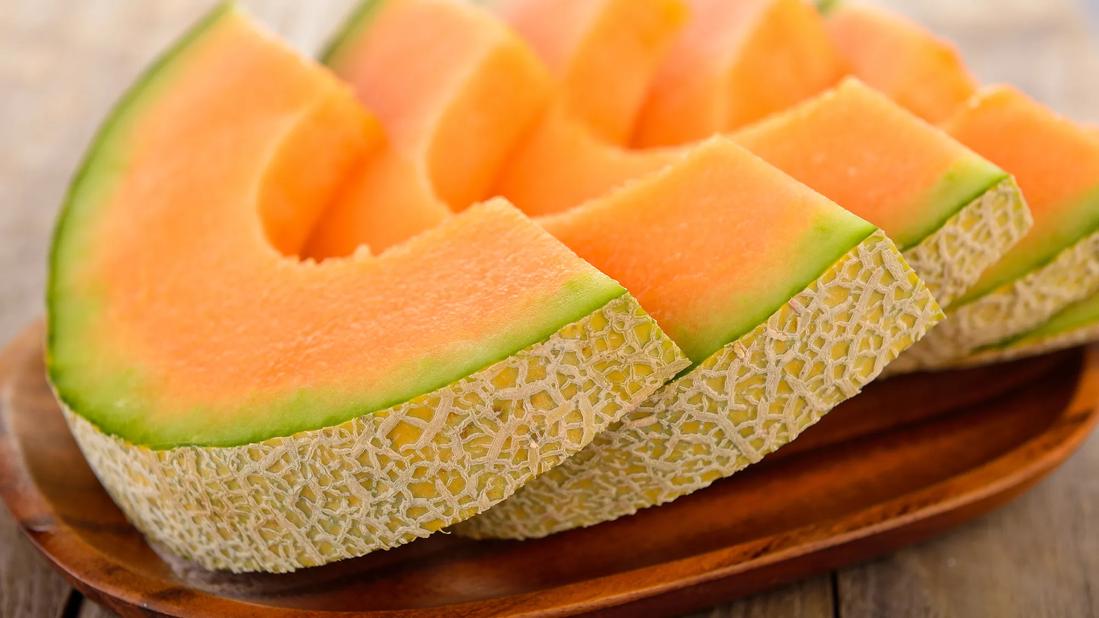
Fresh cantaloupe is sweet and refreshing. Cut it into cubes or slices. Eat it as a snack or dessert. It makes a great breakfast addition. The fruit’s natural sugars give a quick energy boost. Fresh cantaloupe is perfect on a hot day. It hydrates the body with its high water content.
Smoothies And Salads
Add cantaloupe to smoothies for natural sweetness. Blend it with yogurt, ice, or other fruits. It creates a creamy, healthy drink. Cantaloupe also works well in salads. Mix it with greens, nuts, and cheese. The fruit adds a juicy texture and bright color. This combination makes salads more exciting and nutritious.
Storage Tips
Store whole cantaloupes at room temperature. Keep them away from direct sunlight. Once cut, place pieces in an airtight container. Refrigerate cut cantaloupe to keep it fresh. Use cut fruit within 3 to 4 days. Proper storage helps maintain flavor and nutrients.

Credit: www.medicinenet.com
Credit: health.clevelandclinic.org
Frequently Asked Questions
What Does Cantaloupe Do For The Body?
Cantaloupe hydrates the body and provides vitamins A, C, and folate. It supports immunity, eye and heart health, digestion, and skin. Rich in antioxidants and fiber, it helps reduce inflammation and may lower cancer risk. Potassium in cantaloupe balances fluids and blood pressure.
What Is The 1 Healthiest Fruit?
The 1 healthiest fruit is the cantaloupe. It hydrates, provides vitamins A, C, potassium, fiber, and antioxidants. It supports immunity, eye, heart health, and digestion.
Is Cantaloupe Good For You When Pregnant?
Cantaloupe provides essential vitamins A, C, folate, potassium, and hydration, supporting fetal development and maternal health during pregnancy. It aids digestion and boosts immunity. Choose fresh, ripe cantaloupe and wash it well to avoid any contamination risks.
Which Is Healthier, Watermelon Or Cantaloupe?
Watermelon is hydrating and low in calories, rich in vitamin C and antioxidants. Cantaloupe offers more vitamin A, potassium, and fiber. Both support immunity and heart health, but cantaloupe provides higher nutrient density. Choose based on your vitamin and hydration needs for a healthy diet.
Conclusion
Cantaloupe offers many nutrients to support your health daily. It provides vitamins A and C that strengthen your immune system. Potassium in cantaloupe helps keep your heart and blood pressure healthy. Its fiber and water content aid digestion and keep you hydrated.
Antioxidants in this fruit protect your body from damage and inflammation. Eating cantaloupe regularly can improve skin, eye health, and overall wellness. Simple and tasty, cantaloupe fits well in many meals. Enjoy this fruit often for a natural health boost.

“As the voice behind Radiant Glow Health, we are dedicated to being your ultimate wellness and vitality companion. Our mission is to inspire and guide you on your journey to a healthier and more vibrant life. Join us as we explore holistic health practices and empower you to radiate wellness from within.”