Feeling sore after a workout is normal, but it often leaves you wondering: should you exercise with sore muscles or take a break? You want to keep making progress, yet pushing too hard might slow you down or even cause injury.
Understanding when it’s okay to move and when to rest is key to staying on track and avoiding setbacks. You’ll discover simple ways to listen to your body, know the difference between mild soreness and harmful pain, and learn smart strategies like active recovery and cross-training.
Keep reading to find out how to make soreness work for you—not against you.
Mild Soreness And Exercise
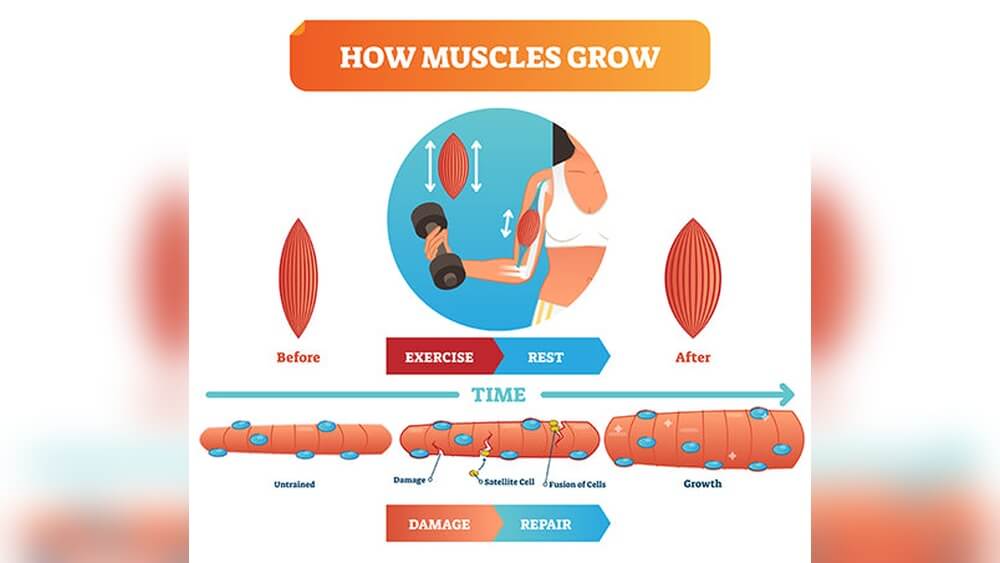
Mild soreness after a workout is common and usually not a sign to stop exercising. This soreness often means your muscles are repairing and growing stronger. Exercising lightly can help ease this discomfort and keep your body moving. It is important to listen to your body and adjust your workout intensity accordingly.
Light Activity Benefits
Engaging in light exercise can increase blood flow to sore muscles. This helps deliver oxygen and nutrients needed for recovery. Light activity also reduces stiffness and improves flexibility. It keeps your body active without causing extra strain. Walking or gentle stretching are good examples of light activities.
Switching Muscle Groups
Focusing on different muscle groups allows sore muscles to rest. For example, if your legs are sore, work on your arms or core. This approach helps prevent overuse injuries. It also maintains your workout routine without worsening soreness. Switching muscle groups keeps your training balanced and effective.
Low-impact Options
Low-impact exercises reduce stress on sore muscles and joints. Swimming, yoga, and cycling are gentle choices. These activities support recovery while keeping you active. They help maintain your fitness without pushing sore muscles too hard. Low-impact workouts are ideal for days with mild soreness.

Credit: bodydynamicsinc.com
Severe Soreness And Rest
Severe muscle soreness signals the body needs rest. Ignoring this can lead to problems. Proper rest helps muscles heal and regain strength. Knowing when to rest is key for safe exercise habits.
Injury Risks
Exercising with severe soreness raises injury risks. Muscles that are very sore are weak and less flexible. This increases chances of strains and tears. Overuse injuries can develop from pushing too hard. Rest prevents worsening damage and supports recovery.
Performance Decline
Sore muscles reduce your workout ability. Force production drops when muscles are painful. Coordination and endurance also suffer. Training hard on sore muscles limits gains. Rest days improve performance by allowing full recovery.
When To Stop
Stop exercising if soreness causes sharp pain or swelling. Difficulty moving a muscle is another sign. Persistent soreness after rest calls for medical advice. Listen to your body’s signals to avoid harm. Rest until pain eases before resuming workouts.
Active Recovery Techniques
Active recovery techniques help muscles heal while keeping the body moving. These methods reduce soreness and improve circulation. They allow you to stay active without causing more muscle damage. Using gentle exercises can speed up recovery and keep you consistent with your fitness routine.
Cardio And Circulation
Light cardio activities increase blood flow to sore muscles. This helps bring oxygen and nutrients needed for healing. Walking, cycling, or swimming at a slow pace works well. Avoid high intensity to prevent extra strain. Improved circulation also removes waste products that cause muscle pain.
Stretching And Mobility
Gentle stretching helps reduce muscle tightness and stiffness. Focus on slow, controlled movements that feel comfortable. Stretching improves flexibility and range of motion. It also relaxes muscles and reduces tension. Avoid bouncing or pushing too hard during stretches.
Cross-training Benefits
Cross-training means using different muscle groups or activities. It gives sore muscles a break while still staying active. For example, try swimming if your legs are sore from running. This prevents overuse injuries and balances your workout routine. Cross-training also improves overall fitness and prevents boredom.
Credit: www.orchardhealthclinic.com
Listening To Your Body
Listening to your body plays a vital role in deciding whether to exercise with sore muscles. Your body sends signals to guide your actions. Understanding these signs helps avoid injury and supports recovery. Paying attention to how your muscles feel can improve workout results and keep you motivated.
Pain Vs. Discomfort
Discomfort from mild soreness is common after exercise. It feels like a dull ache or stiffness. Pain is sharper and more intense, often signaling injury. Knowing the difference helps you decide if you can continue exercising. Mild discomfort usually means your muscles are adapting. Pain requires rest and possibly medical attention.
Signs To Modify Workout
Adjust your workout if soreness limits your movement or causes sharp pain. Slow down the pace or lower the intensity. Focus on gentle activities like walking or stretching. Avoid exercises that strain the sore muscles. Switching to a different muscle group can also help maintain activity without overloading.
Avoiding Overtraining
Overtraining happens when your body does not get enough rest. It leads to persistent soreness, fatigue, and weaker performance. Rest days are essential for muscle repair and growth. Balance workouts with recovery to stay healthy and strong. Listening to your body prevents burnout and keeps progress steady.
Timing Your Workouts
Timing your workouts plays a key role in managing sore muscles. Exercising too soon after intense activity can worsen soreness. Waiting too long may slow progress. Finding the right balance helps you stay active without causing harm. Understanding soreness duration, warm-up effectiveness, and muscle recovery periods guides your workout schedule.
Soreness Duration
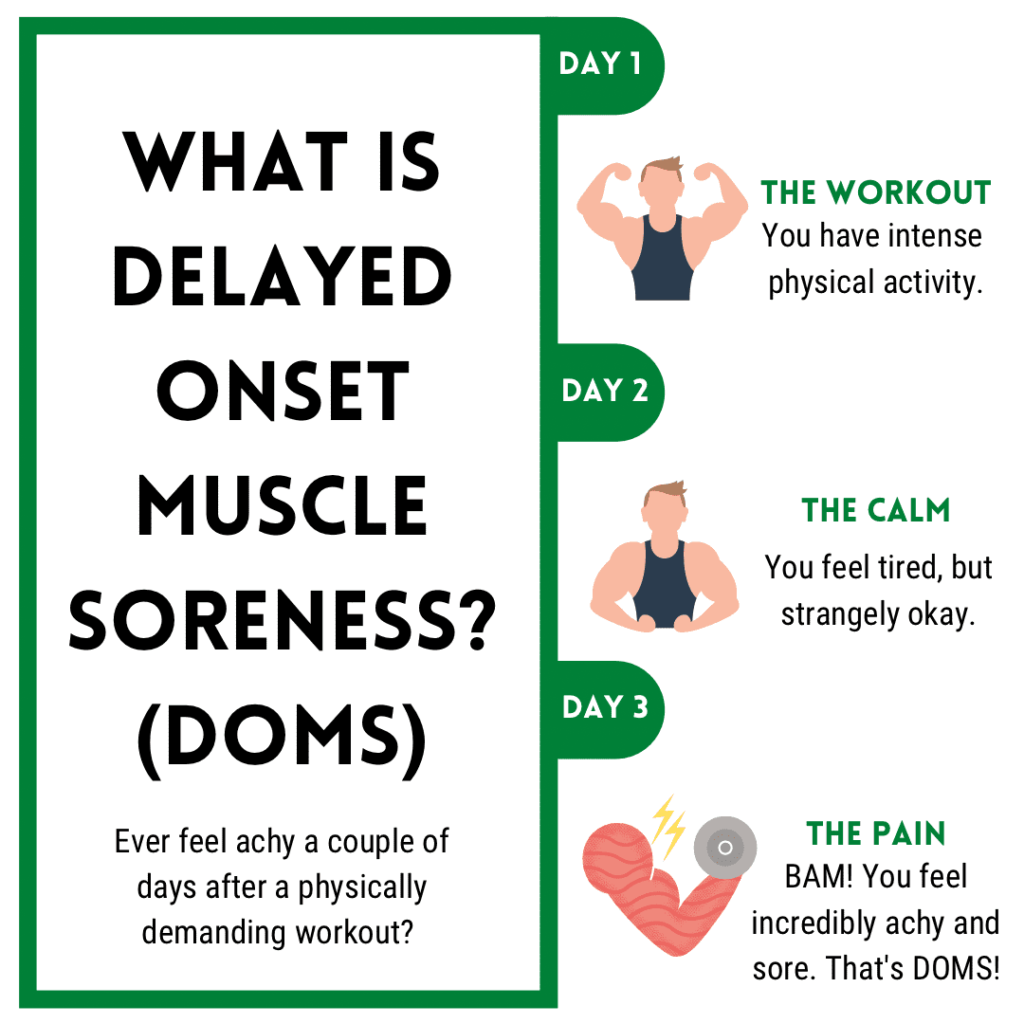
Soreness usually lasts from 24 to 72 hours after exercise. Mild soreness can be a sign that muscles are healing. Severe soreness may indicate muscle damage or strain. Tracking how long your soreness lasts helps you decide when to exercise again. Avoid training the same muscle group until soreness lessens.
Warm-up Effectiveness
A good warm-up improves blood flow and reduces muscle stiffness. It prepares sore muscles for movement and lowers injury risk. Dynamic stretches and light cardio work well as warm-ups. Warm-ups can ease mild soreness and make exercise safer. Never skip warming up, especially on sore days.
Muscle Recovery Periods
Muscles need time to repair after workouts. Rest days allow muscles to rebuild and grow stronger. Recovery periods vary based on workout intensity and individual fitness levels. Active recovery, like walking or stretching, supports healing without strain. Respect your recovery time to avoid overtraining and injury.

Credit: www.youtube.com
Frequently Asked Questions
Should I Wait Until My Muscles Aren’t Sore To Work Out Again?
You can work out with mild muscle soreness using light activities or different muscle groups. Rest if pain is severe, limits movement, or reduces performance. Active recovery like walking or stretching helps reduce soreness and supports healing. Always listen to your body to avoid injury.
Should I Workout A Muscle That Is Still Sore?
You can lightly work out a mildly sore muscle; gentle activity improves blood flow and reduces stiffness. Avoid training if pain is sharp, limits movement, or affects joints. Prioritize rest or active recovery like walking or swimming to prevent injury and promote healing.
Listen to your body.
Should I Skip A Workout If I’m Sore?
Avoid skipping workouts for mild soreness; try light activity or train different muscles instead. Rest if soreness causes sharp pain, limits movement, or reduces performance. Prioritize active recovery like walking or stretching to aid healing and prevent injury. Listen to your body for safe progress.
How Sore Is Too Sore To Workout?
Mild soreness allows light workouts or active recovery. Stop exercising if pain is sharp, limits movement, or reduces strength. Rest or target different muscles to prevent injury and support healing. Always listen to your body to balance progress and safety.
Conclusion
Sore muscles do not always mean you must skip exercise. Light activity or switching muscle groups can aid recovery. Severe soreness or pain signals the need for rest. Rest helps prevent injury and supports healing. Always listen to your body’s signals carefully.
The goal is progress, not pushing through pain. Balance exercise with proper recovery for best results.

“As the voice behind Radiant Glow Health, we are dedicated to being your ultimate wellness and vitality companion. Our mission is to inspire and guide you on your journey to a healthier and more vibrant life. Join us as we explore holistic health practices and empower you to radiate wellness from within.”