“Is It Safe to Exercise With High Blood Pressure?”
If you have high blood pressure, you might wonder if it’s safe to exercise without putting your health at risk. You’re not alone—many people with hypertension worry about how physical activity affects their heart and arteries.
The truth is, exercise can be one of the best ways to manage high blood pressure, but only if you approach it the right way. You’ll discover which exercises to avoid, which ones are safer, and how to listen to your body to keep your blood pressure in check.
Keep reading to learn how you can stay active and protect your heart at the same time.

Credit: toneopfit.com
Blood Pressure And Exercise Safety
Exercise plays an important role in managing blood pressure. It helps the heart work more efficiently and lowers blood pressure over time. Safety is key when exercising with high blood pressure. Knowing your limits reduces risks and keeps you healthy.
Understanding safe blood pressure levels before activity guides your exercise choices. Some exercises are safer than others for people with high blood pressure. Choosing the right activities helps you avoid sudden pressure spikes.
Safe Blood Pressure Levels For Activity
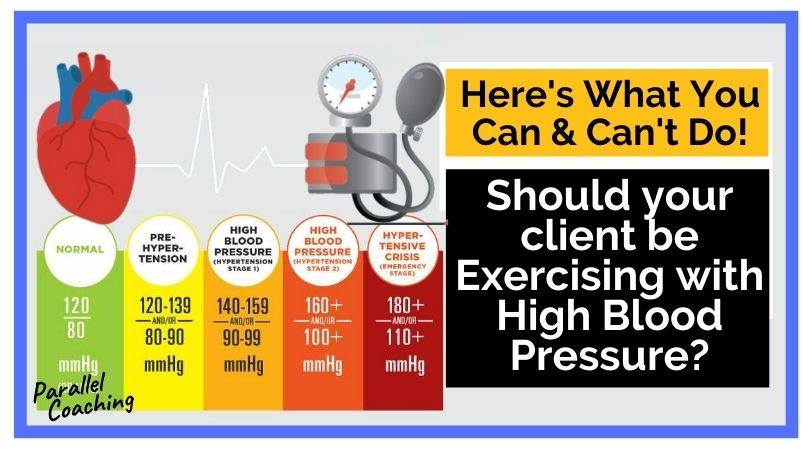
Blood pressure below 140/90 mm Hg is generally safe for most activities. Your doctor may approve light to moderate exercise at higher readings if controlled with medication. Avoid intense workouts if your blood pressure is above 180/110 mm Hg. Always check your blood pressure before starting exercise. Rest and seek medical advice if it is too high.
Risks Of Exercising With High Blood Pressure
High blood pressure raises the risk of heart attack and stroke during exercise. Sudden spikes from heavy lifting or intense bursts strain the heart. Holding your breath while lifting can dangerously raise blood pressure. Isometric exercises like planks may also increase pressure. Extreme postures or hot environments can cause complications. Listen to your body and stop if you feel dizzy or chest pain. Regular doctor check-ups help monitor risks and adjust your routine.

Credit: www.gilgharda.com
Exercises To Avoid
People with high blood pressure should be careful about certain exercises. Some activities can raise blood pressure quickly. These exercises may increase health risks. It is important to know which exercises to avoid. Choosing the right workout helps keep blood pressure stable and safe.
Heavy Weightlifting And Breath-holding
Heavy weightlifting can cause sudden blood pressure spikes. Lifting very heavy weights strains the heart and vessels. Holding your breath during lifting, called the Valsalva maneuver, raises pressure even more. Always breathe out while lifting to reduce risk. Using lighter weights with more repetitions is safer.
High-intensity Bursts And Sprinting
High-intensity bursts like sprinting put stress on the heart. These quick, powerful efforts cause blood pressure to rise rapidly. Intense interval training is risky without doctor approval. Opt for steady, moderate exercise to protect your heart and vessels.
Isometric Exercises And Postural Changes
Isometric exercises such as planks and wall-sits raise blood pressure by holding muscle tension. These should be done with caution or avoided. Sudden postural changes, like head-down positions or lifting legs above the head, affect blood flow and pressure. Avoid exercises that involve sharp body position shifts.
Extreme Sports And Hot Yoga
Extreme sports like scuba diving and skydiving may cause dangerous pressure changes. These activities need medical clearance before trying. Hot yoga raises body temperature and can make blood pressure harder to control. Choose cooler, gentler forms of yoga instead.
Safer Exercise Alternatives
Choosing safer exercise options helps protect your heart and control blood pressure. Gentle workouts reduce risks while improving health. These alternatives support steady progress and keep you comfortable.
Focus on activities that raise your heart rate gradually. Avoid sudden heavy strain. Follow your body’s signals and breathe properly. Consult your doctor before starting any new routine.
Moderate Aerobic Activities
Walking, swimming, and cycling are excellent choices. They increase heart rate without causing spikes. These exercises improve circulation and lower blood pressure over time. Aim for 30 minutes most days. Keep a steady, comfortable pace. Avoid intense bursts or sprints.
Yoga And Tai Chi Benefits
Yoga and Tai Chi combine gentle movement with deep breathing. These practices reduce stress and help relax blood vessels. They improve flexibility and balance safely. Choose classes without extreme heat or intense poses. Focus on slow, mindful motions to calm your body.
Light Strength Training With Proper Breathing
Use light weights and higher repetitions for safety. Avoid holding your breath during lifts; exhale while exerting force. Proper breathing prevents dangerous blood pressure spikes. Start with simple exercises targeting major muscle groups. Stop immediately if you feel dizzy or tightness in your chest.
Monitoring And Precautions
Monitoring and taking precautions is key when exercising with high blood pressure. Careful observation helps avoid risks and ensures safe workouts. Simple steps can protect your health and improve your fitness journey.
Signs To Stop Exercising Immediately
Stop exercising if you feel chest pain or tightness. Dizziness or faintness signals a problem. Sudden shortness of breath or irregular heartbeat also needs attention. Severe headache or blurred vision means you should rest. Always act fast to prevent serious issues.
Consulting Your Doctor Before Starting
Talk to your doctor before starting any exercise program. Your doctor will check your blood pressure and heart health. They can suggest safe types of exercises and intensity levels. Follow their advice to avoid harmful activities. Regular check-ups help track your progress and adjust plans.
Listening To Your Body During Workouts
Pay close attention to how your body feels during exercise. Slow down if you feel tired or uneasy. Stop if you notice any discomfort or pain. Use moderate intensity and avoid pushing too hard. Rest when needed and stay hydrated throughout your workout.
Top Exercises For High Blood Pressure
Exercise plays a key role in managing high blood pressure. Choosing the right activities helps control blood pressure and improves heart health. Some exercises work better than others for those with hypertension. Below are top exercises safe for most people with high blood pressure.
Effective Isometric Exercises
Isometric exercises involve muscle tension without movement. Examples include wall sits and planks. These exercises strengthen muscles but may raise blood pressure if held too long. Keep holds short and breathe steadily. Start with light intensity and consult your doctor before trying isometric moves.
Recommended Aerobic And Cardio Workouts
Aerobic exercises improve heart and lung function. Brisk walking, cycling, and swimming are excellent choices. These activities lower blood pressure by improving blood flow and reducing stress. Aim for at least 30 minutes most days. Keep intensity moderate to avoid sudden blood pressure spikes.
Strength Training Tips For Hypertension
Strength training helps build muscle and supports weight control. Use lighter weights with more repetitions to avoid high pressure spikes. Always breathe out during exertion to keep blood pressure stable. Avoid heavy lifting and holding your breath. Include rest days and focus on proper form for safety.
Credit: parallelcoaching.co.uk
Frequently Asked Questions
What Exercises Should Be Avoided With High Blood Pressure?
Avoid heavy weightlifting, breath-holding (Valsalva maneuver), intense sprints, high-intensity interval training, isometric exercises, sudden posture changes, and hot yoga with high blood pressure. Choose moderate aerobic activities and consult your doctor before starting any exercise.
What Is The Best Exercise For High Blood Pressure?
The best exercise for high blood pressure is moderate aerobic activity like brisk walking, cycling, or swimming. These improve heart health and lower blood pressure safely. Avoid heavy lifting, intense bursts, and breath-holding. Always consult your doctor before starting any exercise program.
What Is Too High Blood Pressure To Exercise?
Too high blood pressure to exercise is generally above 180/110 mm Hg. Consult a doctor before physical activity at this level.
Is It Better To Rest Or Be Active With High Blood Pressure?
Staying active with moderate exercise helps lower high blood pressure safely. Avoid heavy lifting, intense bursts, and breath-holding. Rest during symptoms like dizziness or chest pain. Always consult your doctor before starting or changing exercise routines. Moderate activities like walking and swimming benefit heart health.
Conclusion
Exercising with high blood pressure can be safe when done carefully. Choose moderate activities like walking or swimming. Avoid heavy lifting and sudden intense efforts. Always breathe steadily and avoid holding your breath. Listen to your body and stop if you feel pain or dizziness.
Talk to your doctor before starting any exercise plan. Staying active helps control blood pressure and improves health. Small steps matter for a healthier heart and body.

“As the voice behind Radiant Glow Health, we are dedicated to being your ultimate wellness and vitality companion. Our mission is to inspire and guide you on your journey to a healthier and more vibrant life. Join us as we explore holistic health practices and empower you to radiate wellness from within.”