Are you trying to understand the difference between personal care and skilled nursing for yourself or a loved one? It can be confusing to know which type of care fits your needs best.
Personal care focuses on helping you with everyday tasks like dressing, bathing, and meal preparation so you can stay independent longer. Skilled nursing, on the other hand, provides around-the-clock medical supervision and treatment for serious health conditions. Knowing exactly what each offers will help you make the right decision for your health and comfort.
Keep reading to discover how personal care and skilled nursing differ, and find out which option matches your unique situation.
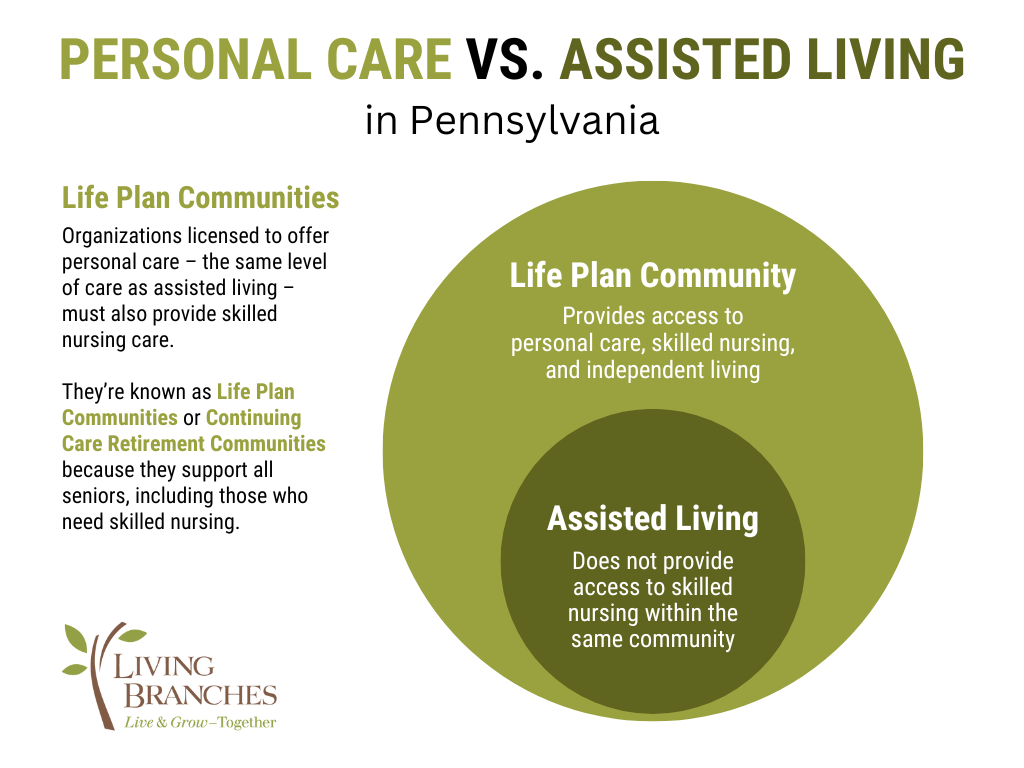
Credit: livingbranches.org
Personal Care Basics
Personal care focuses on helping individuals manage everyday tasks. It suits those who need some support but want to stay independent. Caregivers assist with basic needs without giving medical treatment. This type of care helps maintain comfort and dignity in daily life.
Daily Living Assistance
Caregivers help with activities like bathing, dressing, and eating. They support mobility and toileting needs. Assistance with meal preparation and medication reminders is common. These tasks ensure safety and comfort at home or in care facilities.
Non-medical Support
Personal care includes help with housekeeping and errands. Caregivers provide companionship and emotional support. They do not perform medical procedures or treatments. This support reduces stress and promotes a stable daily routine.
Independence Focus
Personal care encourages individuals to do as much as possible alone. Caregivers offer help only when needed. This approach boosts confidence and preserves self-esteem. It promotes a sense of control over daily life.
Skilled Nursing Essentials
Skilled nursing involves much more than basic help with daily tasks. It provides essential medical care for people with serious health issues. Skilled nursing ensures patients receive proper treatment and support for complex needs. This type of care happens in a supervised setting with trained medical staff.
Medical Oversight
Skilled nursing offers continuous medical supervision. Nurses and doctors regularly check patients’ health status. They monitor vital signs and manage medications carefully. This oversight helps prevent complications and detects problems early. It ensures patients receive timely medical attention.
Chronic Condition Management
Many patients in skilled nursing have long-term illnesses. Skilled nurses help manage conditions like diabetes, heart disease, and COPD. They follow detailed care plans to control symptoms. Regular assessments adjust treatments as needed. This management improves patients’ quality of life and stability.
Rehabilitation Services
Skilled nursing includes rehabilitation therapies after illness or surgery. Physical, occupational, and speech therapy help patients regain strength and skills. Therapists work closely with nurses to support recovery goals. Rehab services speed up healing and promote independence.
Care Level Comparison
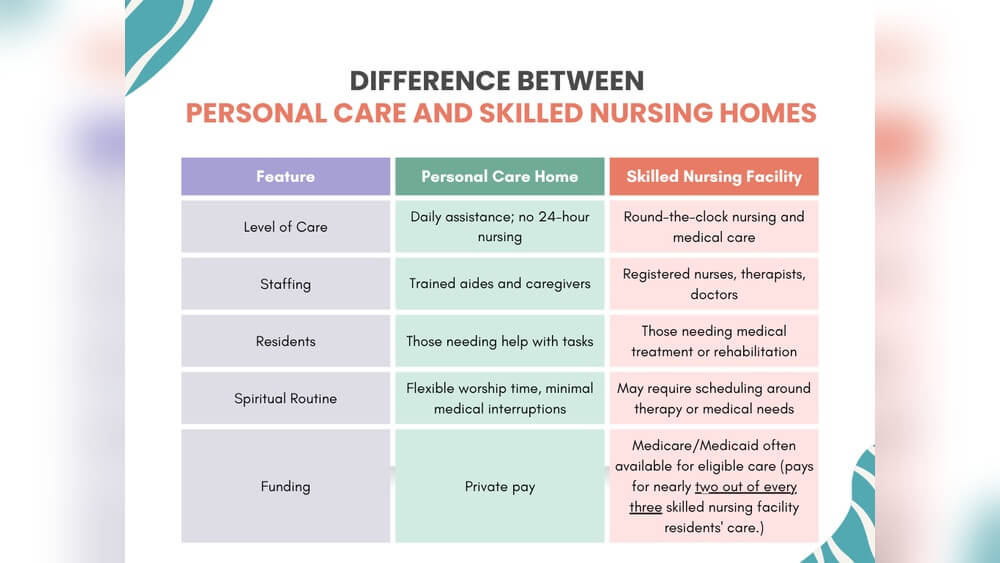
Understanding the difference between personal care and skilled nursing starts with comparing their care levels. Each type offers distinct support based on the needs of the individual. This section breaks down the key differences in care levels.
Knowing these differences helps in choosing the right care option for yourself or a loved one.
Scope Of Services
Personal care focuses on helping with daily activities. Tasks include bathing, dressing, and meal preparation. It supports independence but does not include medical treatments. Skilled nursing provides medical care and therapy. It includes wound care, medication management, and rehabilitation. The scope in skilled nursing is broader and more medical-focused.
Staff Qualifications
Personal care staff usually have training in caregiving but are not licensed medical professionals. They assist with basic needs and provide companionship. Skilled nursing staff include registered nurses, licensed practical nurses, and therapists. These professionals are trained to handle complex medical conditions and emergencies. The qualifications in skilled nursing are higher due to medical responsibilities.
Care Intensity
Care intensity in personal care is lower and designed for those who need help but are mostly independent. Skilled nursing offers high-intensity care for individuals with serious health issues. Patients may require 24-hour monitoring and advanced treatments. Skilled nursing meets needs that personal care cannot address safely.
Credit: www.legacyplace.org
Settings And Environments
The settings and environments for personal care and skilled nursing differ greatly. These differences affect the type of care provided and the comfort of the individual. Understanding these settings helps in choosing the right care option.
Personal Care Locations
Personal care usually happens in less medical settings. Many people receive personal care in their own homes. This allows them to stay in familiar surroundings. Sometimes, personal care is available in assisted living communities. These places offer support but focus on daily living tasks. The environment feels more like home than a hospital.
Skilled Nursing Facilities
Skilled nursing takes place in specialized facilities. These places have medical equipment and trained staff. They provide round-the-clock care for serious health conditions. Skilled nursing facilities look more clinical. They focus on medical treatments and rehabilitation. Patients receive constant monitoring and professional nursing support.
Home Vs Facility Care
Personal care at home promotes independence and comfort. It suits those who need help but no medical attention. Skilled nursing care at a facility suits those needing medical help all day. Some people choose home skilled nursing for serious care in comfort. Facilities offer more medical resources but less personal space. The choice depends on health needs and personal preferences.
Who Needs Personal Care?
Understanding who needs personal care helps to clarify its role. Personal care suits those who require help but do not need medical treatment. This care supports daily living activities and promotes independence. It is ideal for people with mild disabilities or temporary recovery needs. Personal care allows them to live comfortably in their homes or assisted settings.
Assistance With Daily Tasks
People who struggle with routine activities benefit from personal care. Tasks like bathing, dressing, and eating can become difficult. Personal caregivers provide help with these essential needs. This support ensures safety and hygiene. It also reduces stress for individuals and their families.
Support For Independent Living
Personal care helps those who want to live independently but need some support. It promotes self-sufficiency while offering a safety net. Caregivers assist with managing schedules and reminders. They help maintain a daily routine. This support encourages confidence and freedom.
Non-medical Needs
Individuals with non-medical challenges often turn to personal care. This includes help with housekeeping, meal preparation, and shopping. Caregivers also provide companionship and emotional support. These services improve quality of life. They address needs that do not require nursing skills.
Who Requires Skilled Nursing?
Skilled nursing is a specialized type of care for people needing medical attention beyond basic personal help. It supports individuals recovering from illness or managing serious health conditions. Skilled nursing offers professional care from trained nurses and therapists. This care suits people with complex health needs or those requiring ongoing medical supervision.
Post-hospital Care
Many patients need skilled nursing after leaving the hospital. They may require wound care, physical therapy, or medication management. Skilled nurses ensure proper healing and prevent complications. This care helps patients regain strength and independence safely.
Complex Medical Needs
People with complicated health problems often need skilled nursing. Conditions like severe diabetes, heart disease, or stroke require expert monitoring. Skilled nurses provide treatments and adjust care plans as needed. They work closely with doctors to manage these conditions.
Long-term Health Monitoring
Some individuals need skilled nursing for long-term health issues. Chronic illnesses or disabilities can require continuous medical support. Skilled nurses track changes in health and provide necessary interventions. This care helps maintain quality of life and prevents hospital visits.
Cost And Coverage
Understanding the cost and coverage differences between personal care and skilled nursing is important. Both services support daily living but vary in price and what insurance covers. Knowing these details helps families plan better for care needs.
Insurance And Medicare
Personal care often falls under long-term care insurance or private pay. Medicare usually does not cover personal care services. Skilled nursing care has more coverage through Medicare. It covers short-term stays after hospital visits. Medicaid may also help with skilled nursing costs for eligible individuals.
Out-of-pocket Expenses
Personal care costs vary by location and level of help needed. Families often pay these costs directly. Skilled nursing is more expensive due to medical services included. Out-of-pocket costs can add up quickly without insurance. It is important to budget carefully for both types of care.
Financial Assistance Options
Some programs offer help with personal care expenses. Veterans benefits may cover personal or skilled nursing care. Local and state agencies sometimes provide subsidies or grants. Talking to a social worker can identify available aid. Planning early can reduce financial stress for families.
Credit: junipercommunities.com
Choosing The Right Care
Choosing the right care is essential for comfort and well-being. Each person has unique needs. Understanding these needs helps in making the best decision. Care options vary greatly in the level of support and medical attention provided. Careful planning ensures safety and quality of life.
Assessing Individual Needs
Start by evaluating daily living abilities. Note if help is needed with bathing, dressing, or eating. Check for medical conditions requiring regular attention. Consider mental health and cognitive functions. Personal preferences and lifestyle also matter. This assessment guides whether personal care or skilled nursing fits better.
Evaluating Care Options
Personal care supports basic daily tasks without medical treatment. Skilled nursing offers medical care and therapy for serious conditions. Compare facilities and home care services. Look for staff qualifications and available medical support. Think about the level of independence desired. Costs and insurance coverage play a role too.
Planning For Future Care
Health can change unexpectedly. Plan for possible increases in care needs. Consider flexible care plans that adjust over time. Discuss wishes with family and healthcare providers. Preparing ahead avoids stress during emergencies. Regular review of care needs keeps the plan updated.
Frequently Asked Questions
What Is The Difference Between Skilled Nursing And Personal Care?
Skilled nursing offers medical care and rehabilitation for chronic conditions. Personal care assists with daily tasks like dressing and bathing, without medical support.
What Is Included Under Personal Care?
Personal care includes help with daily tasks like bathing, dressing, medication reminders, grooming, mobility, and light housekeeping.
Why Would Someone Go To A Skilled Nursing Facility?
People go to skilled nursing facilities for continuous medical care, rehabilitation, and management of chronic health conditions.
What Does Personal Care Not Include?
Personal care does not include medical treatments, skilled nursing, or complex health procedures. It focuses on daily living assistance only.
Conclusion
Personal care helps with daily tasks like dressing and bathing. Skilled nursing offers medical treatments and constant health monitoring. Both support seniors but serve different needs and health levels. Choosing the right care depends on medical needs and independence. Understanding these differences aids families in making smart decisions.
The right care improves quality of life and comfort. Keep these points in mind when exploring care options.

“As the voice behind Radiant Glow Health, we are dedicated to being your ultimate wellness and vitality companion. Our mission is to inspire and guide you on your journey to a healthier and more vibrant life. Join us as we explore holistic health practices and empower you to radiate wellness from within.”