When you or a loved one needs extra support at home, you might wonder: what exactly is the difference between home care and hospice? Understanding these two options can feel overwhelming, but it’s crucial to know which type of care fits your unique needs.
Are you looking for help with daily tasks and companionship, or is comfort and symptom management during a serious illness your priority? This article will guide you through the key differences between home care and hospice, so you can make confident decisions about your care or that of someone you care deeply about.
Keep reading to discover how each service works and which might be right for your situation.

Credit: constellationhs.com
Home Care Basics
Home care provides support to people who need help with daily activities. It allows individuals to stay in their own homes while receiving care. This care can include a range of services tailored to meet different needs.
Home care focuses on improving quality of life. It helps with personal care, health support, and household tasks. The care can be short-term or long-term, depending on the situation.
Types Of Home Care Services
Home care services vary widely. Personal care includes help with bathing, dressing, and grooming. Skilled nursing involves medical tasks like wound care and medication management. Therapy services such as physical or speech therapy may also be provided. Homemaker services support daily chores like cooking, cleaning, and shopping.
Who Benefits From Home Care
People of all ages may need home care. Seniors who want to live independently often use these services. Individuals recovering from surgery or illness benefit too. People with chronic conditions may need ongoing support. Family caregivers also find relief through professional home care help.
Care Providers In Home Care
Home care teams include different professionals. Certified nursing assistants provide personal care. Licensed nurses handle medical tasks and monitor health. Therapists offer rehabilitation services. Home health aides assist with daily living activities. These providers work together to meet each client’s needs.
Hospice Care Essentials
Hospice care focuses on supporting people with serious illnesses nearing the end of life. It aims to provide comfort and maintain the best possible quality of life. Hospice care offers physical, emotional, and spiritual support for patients and their families. Understanding the essentials of hospice care helps clarify how it differs from home care.
Hospice care is specialized and follows specific guidelines. These guidelines ensure patients receive the right care at the right time. It emphasizes comfort rather than trying to cure the illness. The care is tailored to meet individual needs and respect personal choices.
Eligibility Criteria For Hospice
To qualify for hospice care, a patient must have a terminal illness with a limited life expectancy. A doctor must certify that the patient has about six months or less to live if the illness runs its normal course. The patient must also choose to focus on comfort care instead of treatments aimed at curing the disease.
Hospice teams look for signs like worsening health and difficulty performing daily tasks. Both the patient’s doctor and the hospice medical director usually agree on the eligibility. This ensures hospice care starts at the right time to provide the best support.
Focus On Comfort And Quality Of Life
Hospice care centers on easing pain and other symptoms. It helps patients stay as comfortable as possible. The goal is to improve quality of life during the final months. Care includes managing physical discomfort and offering emotional and spiritual support.
Families also receive help to cope with stress and grief. Hospice staff work as a team to address all needs. Respecting patient wishes is a key part of this care approach.
Hospice Care Settings
Hospice care can take place in different settings. Many patients receive care at home, surrounded by loved ones. Others may stay in hospice centers or nursing facilities. Hospitals sometimes offer hospice services too.
The choice depends on the patient’s condition, preferences, and family support. Each setting provides a safe and supportive environment. Trained staff are always available to offer care and comfort.
Key Differences Between Home Care And Hospice
Understanding the key differences between home care and hospice helps families choose the right support. Both services provide care at home but focus on different needs and goals. This section explains the main distinctions clearly.
Purpose And Goals
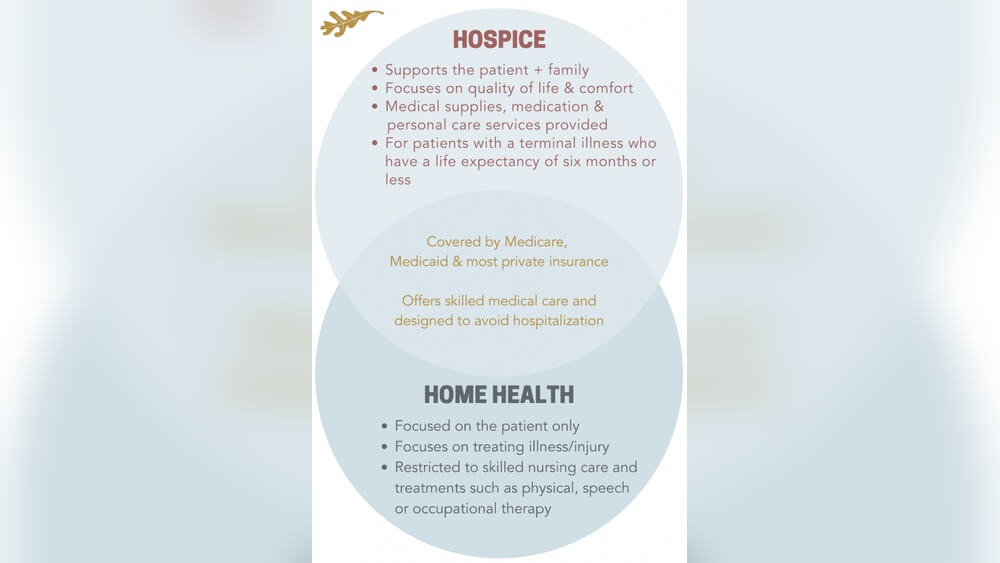
Home care aims to assist with daily tasks and health needs. It helps individuals recover or maintain independence. Hospice focuses on comfort for those with terminal illnesses. The goal is to manage pain and improve quality of life.
Treatment Approaches
Home care includes treatments to support healing and prevent illness. Care may involve medication, physical therapy, or personal care. Hospice stops curative treatments and provides palliative care. The focus is on easing symptoms and emotional support.
Duration And Timing
Home care can last as long as needed, from weeks to years. It starts at any stage of illness or recovery. Hospice care begins when a doctor expects six months or less to live. It continues until the end of life.
Caregiver Roles
Home care workers assist with daily living and health tasks. They help with bathing, dressing, and medication management. Hospice caregivers provide emotional support and symptom relief. They also help families cope with the dying process.

Credit: hearttohearthospice.com
Choosing Between Home Care And Hospice
Choosing between home care and hospice is a crucial decision for patients and families. It involves considering many personal and medical factors. Each option offers different types of support and care. Understanding these differences helps make the best choice for comfort and quality of life.
Patient And Family Preferences
Many patients prefer to stay at home with loved ones around. Home care allows more independence and familiar surroundings. Some families want to be closely involved in daily care tasks. Others may choose hospice for specialized symptom management. The desire for privacy or social interaction also influences decisions.
Medical Considerations
Home care suits patients needing help with daily activities but not intensive medical support. Hospice care is for those with a terminal illness and a limited life expectancy. It focuses on comfort, pain relief, and symptom control. Doctors must certify hospice eligibility based on medical prognosis. Treatment goals also differ between both options.
Emotional And Psychological Factors
Emotional needs vary widely between patients and families. Home care can provide a sense of normalcy and routine. Hospice offers emotional support through counseling and spiritual care. Fear, anxiety, and grief affect decision-making deeply. Professional guidance helps families cope with these feelings and plan care.
Challenges And Limitations
Understanding the challenges and limitations of home care and hospice helps families make informed choices. Both services support patients but face unique difficulties. These issues affect care quality and decision-making.
Limitations Of Hospice Care
Hospice care focuses on comfort for terminal illnesses. It requires a doctor’s certification of six months or less to live. Patients must stop curative treatments. This limits options for those wanting aggressive care.
Hospice care usually happens at home or in special facilities. Not all areas have easy access to hospice programs. This can delay or reduce care availability. Some patients may feel isolated from regular medical support.
Hospice staff may not be available 24/7. Emergencies or sudden changes can challenge timely responses. Families might need to handle some care tasks alone. Emotional stress can increase for caregivers.
Home Care Constraints
Home care offers support with daily activities and health needs. It suits patients needing help but not end-of-life care. Home care quality varies widely by provider and location.
Caregivers in home care may lack specialized training for complex illnesses. Medical equipment and treatment options at home are limited. Patient safety can be a concern without constant supervision.
Family members often take on major caregiving roles. This can cause physical and emotional strain. Coordinating care between multiple providers is sometimes difficult. Communication gaps can affect treatment consistency.
Financial And Insurance Aspects
Costs differ greatly between home care and hospice. Insurance plans often cover hospice more fully than home care. Home care may require out-of-pocket payments or private insurance.
Medicare and Medicaid have specific rules for hospice benefits. They cover most hospice services but may limit home care coverage. Patients and families must understand their insurance details clearly.
Financial stress can affect care choices and access. Some may delay or avoid care due to cost. Planning ahead helps manage expenses and find suitable care options.
Support Resources
Support resources play a vital role in both home care and hospice services. They help families and patients manage health needs and emotional challenges. Understanding these resources can ease the journey and improve quality of life. Various programs and expert advice are available to guide decisions and provide assistance.
Community And Government Programs
Local community groups often offer support for home care and hospice patients. These programs may include transportation, meal delivery, and caregiver training. Government initiatives provide financial aid and health coverage options. Medicare and Medicaid help cover hospice care costs. Veterans may access special benefits for home care. These resources reduce financial stress and increase access to needed services.
Professional Guidance
Skilled professionals guide families through care options and planning. Nurses, social workers, and counselors offer emotional and practical support. They assess patient needs and suggest appropriate services. Hospice teams focus on comfort and symptom management. Home care specialists assist with daily living activities. Professional advice helps families make informed choices and find peace of mind.
Planning Ahead
Early planning is essential for smooth care transitions. Discussing wishes and care goals with doctors ensures proper support. Advance directives and living wills clarify treatment preferences. Planning ahead avoids confusion during emergencies. It also helps coordinate home care or hospice services effectively. Families who plan early feel more prepared and less stressed.

Credit: hosparushealth.org
Frequently Asked Questions
Is It Better To Be At Home Or In Hospice?
Choosing between home and hospice depends on personal comfort and care needs. Home offers familiar surroundings; hospice provides specialized symptom management and support. Prioritize quality care and symptom control regardless of location to ensure comfort and dignity.
Which Two Conditions Must Be Present For A Patient To Enroll In Hospice?
A patient must have a terminal illness with a six-month prognosis. They must also choose comfort-focused, palliative care instead of curative treatment.
What Is The 80/20 Rule In Hospice?
The 80/20 rule in hospice means 80% of care focuses on comfort and symptom management, while 20% addresses medical treatments.
What Is The Downside Of Hospice?
The downside of hospice includes limited treatment options and a focus on comfort, not cure. Some may feel loss of hope or control.
Conclusion
Home care and hospice serve different needs but share one goal: comfort. Home care supports daily living and medical needs for many health conditions. Hospice focuses on comfort for those nearing life’s end. Choosing the right care depends on health status and personal wishes.
Both options provide valuable support to patients and families. Understanding these differences helps make informed, compassionate decisions. Quality care matters most, no matter the setting.

“As the voice behind Radiant Glow Health, we are dedicated to being your ultimate wellness and vitality companion. Our mission is to inspire and guide you on your journey to a healthier and more vibrant life. Join us as we explore holistic health practices and empower you to radiate wellness from within.”