“Can Exercise Cause a Rheumatoid Arthritis Flare-Up?”
Are you worried that exercise might trigger a rheumatoid arthritis (RA) flare-up? It’s a common concern if you’re living with RA, where sudden increases in joint pain, swelling, and stiffness can disrupt your daily life.
You want to stay active and healthy, but you also need to protect your joints from unnecessary stress. So, can working out actually cause your symptoms to worsen? Understanding how exercise affects your body during RA is key to finding the right balance.
You’ll discover what might trigger flare-ups, how your immune system reacts, and smart ways to keep moving without making your arthritis worse. Let’s dive in and help you take control of your health with confidence.
Rheumatoid Arthritis And Exercise
Rheumatoid arthritis (RA) is a long-term condition that affects the joints. Exercise plays a key role in managing RA symptoms. Many wonder if exercise can cause a flare-up or worsen the condition. Understanding how exercise interacts with RA is essential for safe and effective physical activity.
How Exercise Affects Joints
Exercise moves joints and muscles, which helps maintain flexibility. Gentle movement reduces stiffness and improves joint function. However, intense or high-impact exercise may strain already inflamed joints. Overuse or sudden injury can trigger more pain and swelling. Choosing the right type and amount of exercise helps protect joints. Listening to the body and avoiding pain is important. Rest periods allow joints to recover and prevent flare-ups.
Benefits Of Physical Activity For Ra
Regular exercise strengthens muscles around joints, providing better support. It also helps reduce joint stiffness and improves overall mobility. Physical activity boosts mood and reduces fatigue common in RA. Exercise aids in maintaining a healthy weight, lowering stress on joints. It supports heart health and improves bone density. Activities like walking, swimming, or yoga are gentle and effective. Staying active can reduce the frequency and severity of flare-ups.
Triggers Of Ra Flare-ups
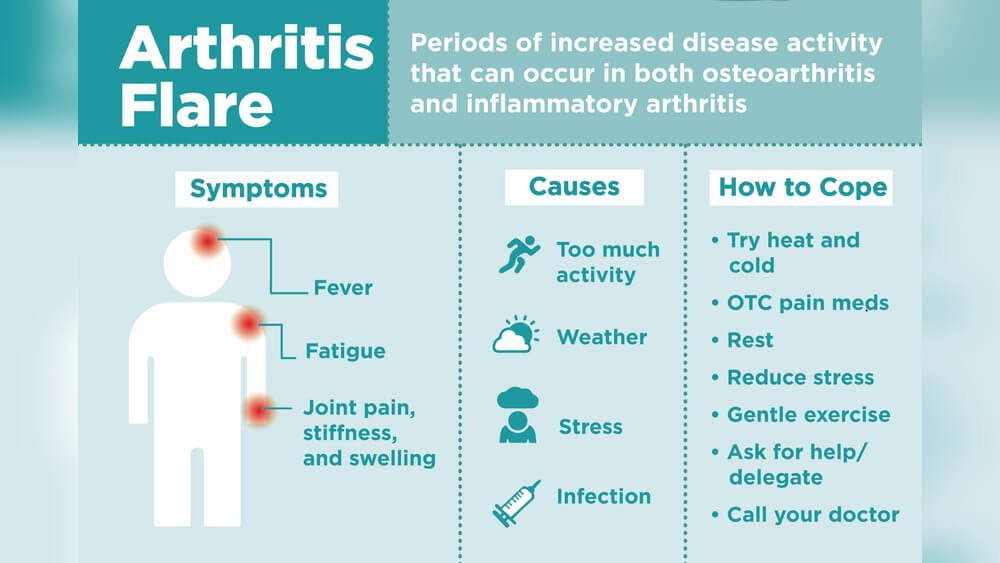
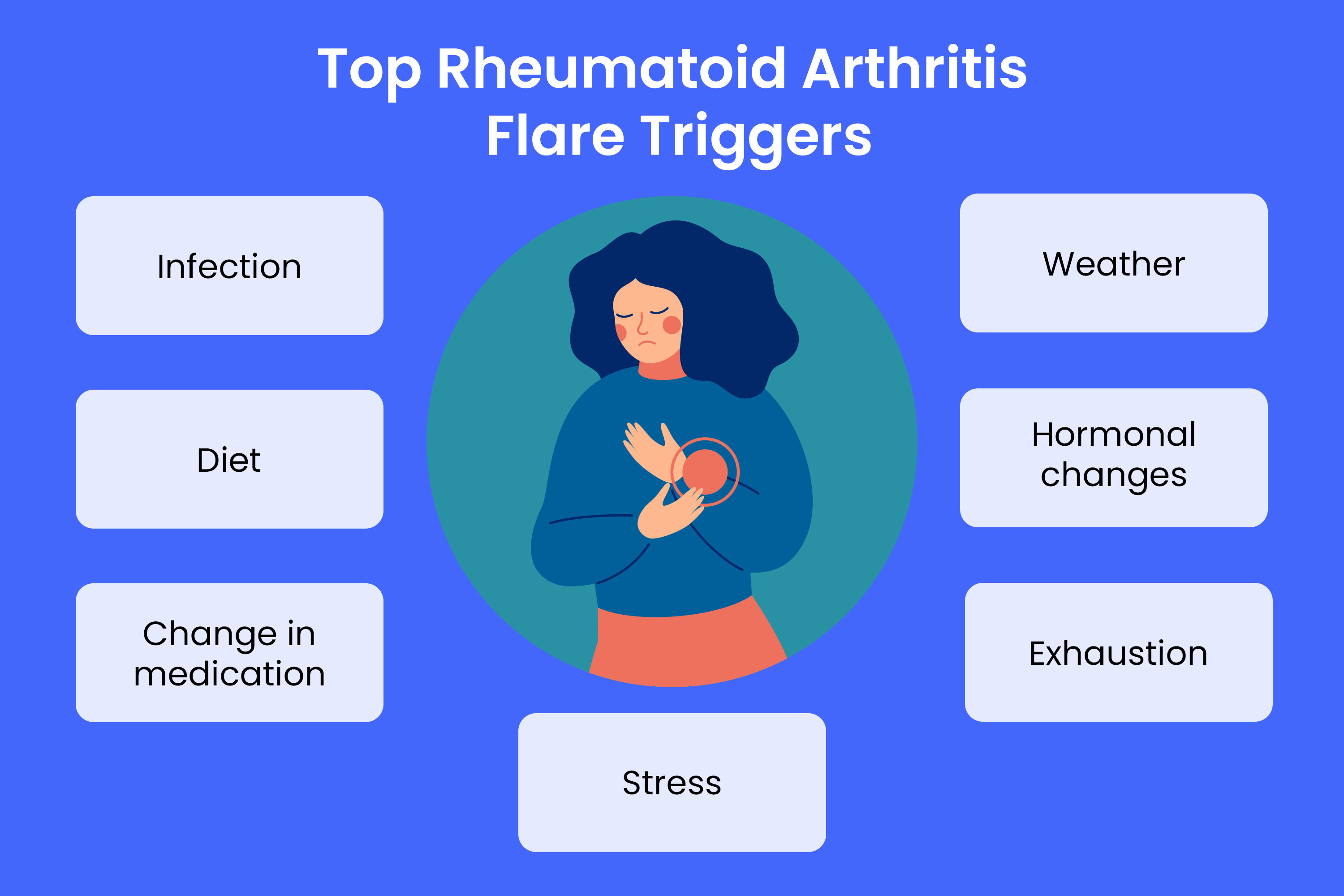
Rheumatoid arthritis (RA) flare-ups happen when inflammation in the joints suddenly worsens. Various triggers can cause this rise in inflammation. Understanding these triggers helps in managing flare-ups better. Each person may have different factors that provoke their symptoms. Common triggers affect the immune system or put stress on the body.
Stress And Sleep Impact
Stress, both physical and emotional, can weaken the immune system. It raises inflammation levels, which worsens RA symptoms. Poor sleep quality or not enough rest also increases inflammation. Sleep helps the body repair, so lack of it can trigger flare-ups. Managing stress and improving sleep can reduce the chance of flares.
Infections And Immune Response
Infections like the flu or colds can activate the immune system strongly. This immune activation can cause RA symptoms to flare. The body’s defense against infection may mistakenly increase joint inflammation. Preventing infections through hygiene and vaccines helps lower flare-up risks.
Overexertion And Injury
Exercising too hard or repetitive joint use can lead to overexertion. Overusing joints may cause injury or inflammation. This physical stress can trigger RA flare-ups. It is important to balance activity with rest to protect joints. Gentle, moderate exercise is better for RA management.
Medication And Lifestyle Factors
Skipping or stopping RA medications can cause symptoms to worsen. Medications control inflammation and immune response. Lifestyle habits like smoking increase RA activity and flare risk. Diet also plays a role; processed foods and sugar may raise inflammation. Healthy habits support medication effects and reduce flare chances.
Hormonal And Weather Influences
Hormonal changes in women, such as menstruation or menopause, can trigger flares. Hormones affect the immune system and inflammation. Weather changes, especially cold and damp conditions, often worsen RA symptoms. Some people feel more joint pain during these times. Awareness of these factors helps in planning care.
Exercise As A Flare-up Trigger
Exercise plays an important role in managing rheumatoid arthritis (RA). Yet, it can also act as a flare-up trigger under certain conditions. Understanding how exercise impacts RA helps in balancing activity with symptom control. Some types of exercise or levels of exertion may lead to increased joint inflammation and pain.
When Exercise Can Cause Flares
Exercise may cause flare-ups when joints are already inflamed or damaged. Pushing too hard during a flare or after a long break raises the risk. Sudden or intense activity stresses the immune system and joints. Overdoing it without proper rest can worsen swelling and stiffness. Exercise during active inflammation can trigger or prolong a flare.
Types Of Exercises To Avoid
High-impact exercises like running or jumping strain sensitive joints. Heavy weightlifting with poor form can cause joint injury. Repetitive motions, such as certain aerobic classes, may irritate inflamed areas. Avoid exercises that cause sharp joint pain or discomfort. Gentle low-impact activities suit better during sensitive periods.
Signs Of Overexertion
Watch for increased joint pain lasting hours after exercise. Swelling or redness around the joints signals too much stress. Extreme fatigue or weakness following activity means rest is needed. Stiffness that worsens instead of easing is a warning. Listen to your body and reduce intensity when these signs appear.

Credit: www.kelsey-seybold.com
Managing Exercise During Flares
Managing exercise during rheumatoid arthritis flare-ups requires care and attention. Flare-ups bring increased joint pain and stiffness. Exercising without adjustment can worsen symptoms. Finding the right balance helps maintain joint health without causing harm. Modifying exercise routines during flares supports recovery and reduces inflammation. Understanding how to adapt activity is key for those with rheumatoid arthritis.
Adjusting Activity Levels
Lower the intensity of workouts during flare-ups. Choose shorter sessions to avoid overexertion. Focus on low-impact activities that do not strain joints. Avoid heavy lifting or high-impact exercises until symptoms ease. Listen to your body and stop if pain increases. Gradually increase activity as inflammation decreases to prevent setbacks.
Incorporating Gentle Movements
Gentle movements keep joints flexible without adding stress. Stretching and range-of-motion exercises help reduce stiffness. Water exercises or swimming provide support and reduce joint pressure. Gentle yoga or tai chi improve balance and mobility. These movements can ease discomfort while promoting circulation. Regular gentle activity aids in maintaining joint function during flares.
Rest And Recovery Strategies
Rest is vital during rheumatoid arthritis flare-ups. Allow joints time to heal by avoiding strenuous activity. Use ice or heat packs to reduce swelling and pain. Prioritize sleep to support the body’s natural recovery. Break activities into small parts with rest breaks in between. Combining rest with gentle movement promotes faster healing.
Personalizing Your Exercise Plan
Creating an exercise plan for rheumatoid arthritis (RA) requires a personal approach. Every person’s body reacts differently. What causes a flare-up in one might be fine for another. Tailoring your workouts helps keep joints healthy and pain low. It also supports long-term mobility and well-being. Careful planning can avoid overdoing activities that trigger symptoms.
Identifying Individual Triggers
Each person with RA has unique flare-up triggers. Notice which exercises cause joint pain or stiffness. Keep a simple diary of activities and symptoms. Watch for patterns, like pain after certain movements or durations. Avoid exercises that consistently worsen your condition. Focus on low-impact activities that feel comfortable. This helps reduce the risk of inflammation and injury.
Balancing Activity And Rest
Exercise is important, but balance is key. Overexertion can lead to flare-ups. Combine active days with proper rest periods. Listen closely to your body’s signals. Stop or slow down if you feel pain or fatigue. Gentle stretching and light movement during rest days keep joints flexible. This balance helps manage inflammation and supports recovery.
Consulting Healthcare Professionals
Work with doctors or physical therapists to create your exercise plan. They understand RA and can suggest safe workouts. Professionals can tailor exercises to your condition and needs. They also teach correct techniques to protect joints. Regular check-ins help adjust your plan as symptoms change. Professional guidance improves safety and effectiveness in exercise.
Credit: creakyjoints.org
Credit: www.healthcentral.com
Frequently Asked Questions
What Triggers Rheumatoid Arthritis Flares?
Rheumatoid arthritis flares occur due to stress, infections, poor sleep, overexertion, smoking, medication changes, diet, hormonal shifts, and weather changes. These triggers disrupt immune balance, increasing joint inflammation, pain, swelling, and stiffness. Managing triggers helps reduce flare frequency and severity.
What Exercises Should Be Avoided With Rheumatoid Arthritis?
Avoid high-impact exercises, heavy weightlifting, repetitive joint movements, and activities causing joint pain or swelling with rheumatoid arthritis.
What Not To Do During An Ra Flare-up?
Avoid overexertion, smoking, skipping medications, poor sleep, and stress during an RA flare-up. Do not ignore symptoms or worsen joint strain.
Why Does Arthritis Flare Up After Exercise?
Arthritis flares after exercise due to joint overuse, causing inflammation and increased pain. Overexertion stresses sensitive joints, triggering symptoms.
Conclusion
Exercise can sometimes lead to a rheumatoid arthritis flare-up. Overdoing activities or ignoring pain may increase inflammation. Gentle, regular movement often helps keep joints flexible. Listening to your body is vital during exercise. Rest and proper medication support recovery from flares.
Finding the right balance reduces flare risks and improves daily life. Staying informed and careful can help manage rheumatoid arthritis better.

“As the voice behind Radiant Glow Health, we are dedicated to being your ultimate wellness and vitality companion. Our mission is to inspire and guide you on your journey to a healthier and more vibrant life. Join us as we explore holistic health practices and empower you to radiate wellness from within.”