“What is the Difference between Food And Nutrients?”
Have you ever wondered what exactly sets food apart from nutrients? You might think they’re the same, but understanding the difference can change the way you approach your meals and health.
Food is what you eat every day—it gives you energy and satisfaction. Nutrients, on the other hand, are the vital parts inside that food that actually fuel your body, helping you grow, repair, and stay strong. Knowing how food and nutrients work together can empower you to make smarter choices that boost your energy, improve your mood, and protect you from illnesses.
Ready to dive deeper and discover how these two are connected yet different? Keep reading to unlock the secrets behind your plate and your well-being.
Food Basics
Food is essential for our survival and health. It provides energy and building blocks for the body. Understanding what counts as food helps us make better eating choices. Food comes in many forms and types. Each type offers different benefits and nutrients.
People eat food to gain energy and support body functions. The body breaks down food into nutrients. These nutrients help the body grow, repair, and stay healthy. Knowing the difference between food and nutrients is important for good health.
What Counts As Food
Food includes anything that we can eat or drink to nourish the body. It can be natural or processed. Natural foods come from plants or animals. Processed foods have been changed by cooking or packaging. Both types provide energy and nutrients.
Food is more than just tasty items. It must support life and body functions. Even water counts as food because it is vital for hydration and body processes.
Common Food Examples
Common foods include fruits like apples and bananas. Vegetables such as carrots and spinach are also food. Grains like rice, wheat, and oats provide energy. Meat, fish, and eggs supply protein. Dairy products like milk and cheese offer calcium.
Legumes, nuts, and seeds are plant-based foods rich in nutrients. Drinking water or natural juices counts as food too. Each food type has unique nutrients needed by the body.
Nutrients Explained
Nutrients are the building blocks found in food. They help the body grow, repair, and stay healthy. Each nutrient has a specific job that keeps the body working well.
Understanding nutrients helps us choose the right foods. It guides us to eat for energy and good health.
Macronutrients Overview
Macronutrients provide energy and support body functions. They include carbohydrates, proteins, and fats. Carbohydrates give quick energy. Proteins build and repair muscles and tissues. Fats store energy and protect organs.
We need all three macronutrients in balanced amounts. Each plays a key role in daily health and activity.
Micronutrients Role
Micronutrients are vitamins and minerals. They do not provide energy but support many body processes. Vitamins help the immune system and heal wounds. Minerals build strong bones and teeth. They also help nerves and muscles work properly.
A lack of micronutrients can cause health problems. Eating varied foods ensures we get enough of these nutrients.
Water And Fiber Importance
Water is essential for life. It keeps the body hydrated and helps digest food. Water also removes waste and regulates temperature. Fiber is a part of plants that the body cannot digest. It helps keep the digestive system healthy and prevents constipation.
Both water and fiber support overall health. Drinking enough water and eating fiber-rich foods is important every day.
Food Vs Nutrients
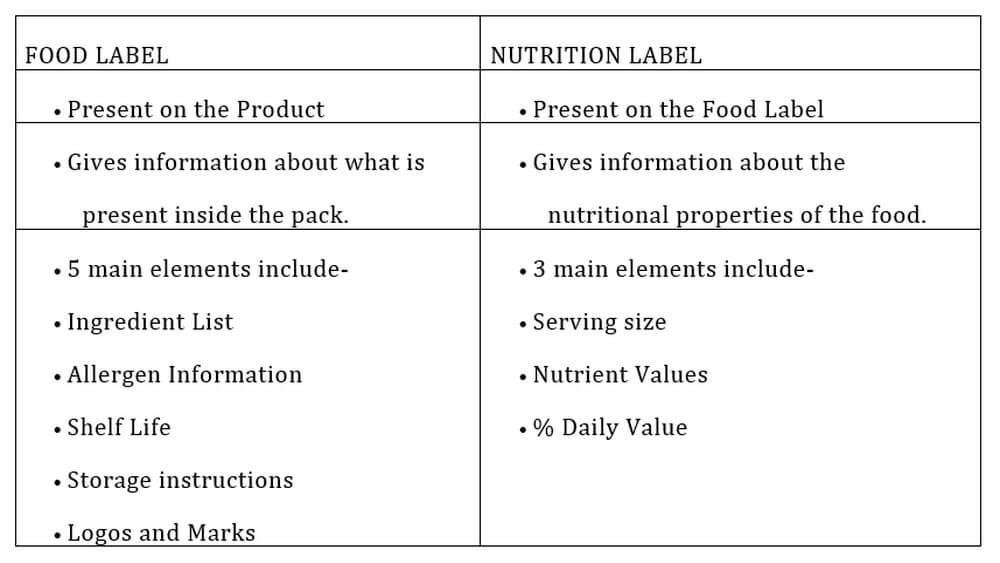
Food and nutrients are closely linked but not the same. Food is what we eat daily. Nutrients are the parts inside food that help the body work well. Understanding the difference helps us make better choices for health.
Food includes many things like fruits, vegetables, grains, and meats. Nutrients are the chemical elements in these foods that our bodies need. Let’s explore how food and nutrients differ and why nutrients matter.
Chemical Components In Food
Food contains several chemical components. These include carbohydrates, proteins, fats, vitamins, minerals, and water. Each component plays a unique role in the body.
Carbohydrates provide quick energy. Proteins build and repair tissues. Fats store energy and protect organs. Vitamins and minerals support various body functions. Water keeps cells hydrated and helps digestion.
Not all parts of food are nutrients. Some parts, like fiber, aid digestion but do not provide energy. Understanding these components helps us see why food is more than just fuel.
How Nutrients Fuel The Body
Nutrients are essential for the body’s energy and growth. They help build muscles, repair tissues, and keep organs healthy. Without nutrients, the body cannot function properly.
Carbohydrates break down into glucose, the main energy source. Proteins supply amino acids needed for muscle and cell repair. Fats provide long-lasting energy and support brain health.
Vitamins and minerals regulate many processes like immune defense and bone strength. Water transports nutrients and removes waste. Each nutrient works together to keep the body strong and active.

Credit: www.researchgate.net
Nutrient Functions
Nutrients are the building blocks of life. They come from food but serve specific roles inside the body. Understanding nutrient functions helps us see why a balanced diet is vital. Each nutrient type has a unique job that supports health and well-being.
Energy Production
Carbohydrates, fats, and proteins provide energy to the body. Cells convert these nutrients into fuel for daily activities. Energy powers muscles, brain functions, and bodily processes. Without enough energy, the body feels tired and weak.
Growth And Repair
Proteins and minerals help build and repair tissues. They support muscle growth, bone strength, and skin health. Vitamins also assist in healing wounds and maintaining organs. Proper nutrient intake speeds recovery after illness or injury.
Immune Support
Vitamins A, C, D, and minerals like zinc boost the immune system. These nutrients help fight infections and reduce inflammation. A strong immune system protects the body from harmful germs. Eating nutrient-rich foods keeps immunity healthy and active.
Food Groups
Food groups help us understand what types of foods to eat for a balanced diet. They divide foods into categories based on their main nutrients. Each group offers different benefits for the body. Knowing food groups makes it easier to plan meals that support health and energy.
Categories Based On Nutrition
Food groups are sorted by their key nutrients. The main groups include fruits, vegetables, grains, protein foods, and dairy. Fruits and vegetables provide vitamins and minerals. Grains are rich in carbohydrates and fiber. Protein foods supply essential amino acids. Dairy offers calcium and vitamin D. Each group plays a unique role in nutrition.
Examples Of Each Group
Fruits include apples, bananas, and oranges. Vegetables cover spinach, carrots, and broccoli. Grains consist of rice, oats, and whole wheat bread. Protein foods include chicken, beans, eggs, and nuts. Dairy products are milk, cheese, and yogurt. Eating from all groups helps meet the body’s nutrient needs.
Nutrition And Health
Nutrition plays a key role in maintaining overall health. It involves how the body uses nutrients from the food we eat. Proper nutrition helps the body grow, repair, and stay strong. Understanding nutrition helps us make better food choices. This improves our quality of life and prevents health problems.
Balanced Diet Benefits
A balanced diet gives the body all essential nutrients. It includes a variety of foods from different groups. Eating balanced meals supports energy levels and body functions. It helps maintain a healthy weight and promotes growth. Balanced nutrition improves digestion and strengthens the immune system.
Disease Prevention
Good nutrition lowers the risk of many diseases. It protects against heart disease, diabetes, and some cancers. Nutrients like vitamins and minerals boost the immune system. Healthy eating controls blood pressure and cholesterol levels. Avoiding excess sugar and fat reduces chronic illness chances.
Mental And Physical Well-being
Nutrition affects both the mind and the body. Proper nutrients improve concentration and mood stability. A healthy diet supports muscle strength and energy. It helps the body recover from stress and illness. Good nutrition promotes better sleep and overall happiness.
Transforming Food To Energy
Transforming food into energy is a vital process that powers every action in our body. Food is more than just what we eat; it is the source of energy and nutrients needed for survival. The body breaks down food into smaller components, which then become usable fuel. Understanding this process helps clarify the difference between food and nutrients.
Digestion Process
The digestion process starts in the mouth, where chewing breaks food into smaller pieces. Saliva contains enzymes that begin to break down carbohydrates. Food then moves to the stomach, where acids and enzymes work on proteins and fats. The stomach turns food into a liquid mixture called chyme. This mixture moves to the small intestine for further digestion. The body uses mechanical and chemical actions to break food into nutrients.
Nutrient Absorption
Nutrient absorption happens mainly in the small intestine. Tiny finger-like structures called villi absorb nutrients into the bloodstream. Carbohydrates break down into sugars, proteins into amino acids, and fats into fatty acids and glycerol. These nutrients travel to cells where the body converts them into energy. Without absorption, the body cannot use the nutrients from food. This step is crucial for maintaining energy and overall health.

Credit: www.researchgate.net

Credit: www.youtube.com
Frequently Asked Questions
What Is The Difference Between Food And Nutrition?
Food is what we eat to provide energy and building blocks. Nutrition studies how the body uses these nutrients for health and growth.
What Is The Difference Between A Food Group And A Nutrient?
A food group categorizes foods based on similar nutritional properties. Nutrients are chemical components within foods that nourish the body.
What Is The Definition Of Food And Nutrition?
Food is what we eat for energy and growth. Nutrition studies how the body uses food’s nutrients to function, grow, and stay healthy.
Does Nutrition Mean Food?
Nutrition is the process of how the body uses food and nutrients for growth, repair, and health. Food provides the essential nutrients.
Conclusion
Understanding the difference between food and nutrients helps us make better choices. Food is what we eat every day. Nutrients are the parts inside food that our bodies need. Nutrients give us energy and help us grow and stay healthy.
Eating a variety of foods ensures we get all essential nutrients. This keeps our body strong and working well. Knowing this difference makes nutrition simpler and clearer. Choose foods wisely to nourish your body properly. Good nutrition supports a happy, active life.

“As the voice behind Radiant Glow Health, we are dedicated to being your ultimate wellness and vitality companion. Our mission is to inspire and guide you on your journey to a healthier and more vibrant life. Join us as we explore holistic health practices and empower you to radiate wellness from within.”