“Why Doesn’T the Body Function Properly If It Does Not Get the Nutrients It Needs?”
Have you ever wondered why you sometimes feel tired, weak, or just off without a clear reason? The truth is, your body needs the right nutrients every single day to keep running smoothly.
When it doesn’t get what it needs, everything inside starts to struggle—from your energy levels to your immune system, and even how well your brain works. Understanding why your body can’t function properly without essential nutrients is key to feeling your best.
Keep reading, and you’ll discover exactly what happens inside you when your nutrition falls short—and how you can take control to stay healthy and energized.

Credit: www.nutritionnews.abbott
Effects Of Nutrient Deficiency
Nutrient deficiency occurs when the body lacks essential vitamins, minerals, and other nutrients. This shortage affects how the body works every day. Without enough nutrients, organs and systems cannot perform their jobs well. The effects of nutrient deficiency show up in different parts of the body quickly and clearly.
Physical Weakness And Fatigue
Without enough nutrients, muscles lose strength and energy. The body cannot produce enough fuel for daily activities. People feel tired even after little effort. This constant fatigue lowers productivity and affects mood. Protein, iron, and vitamin B12 shortages are common causes.
Digestive System Impact
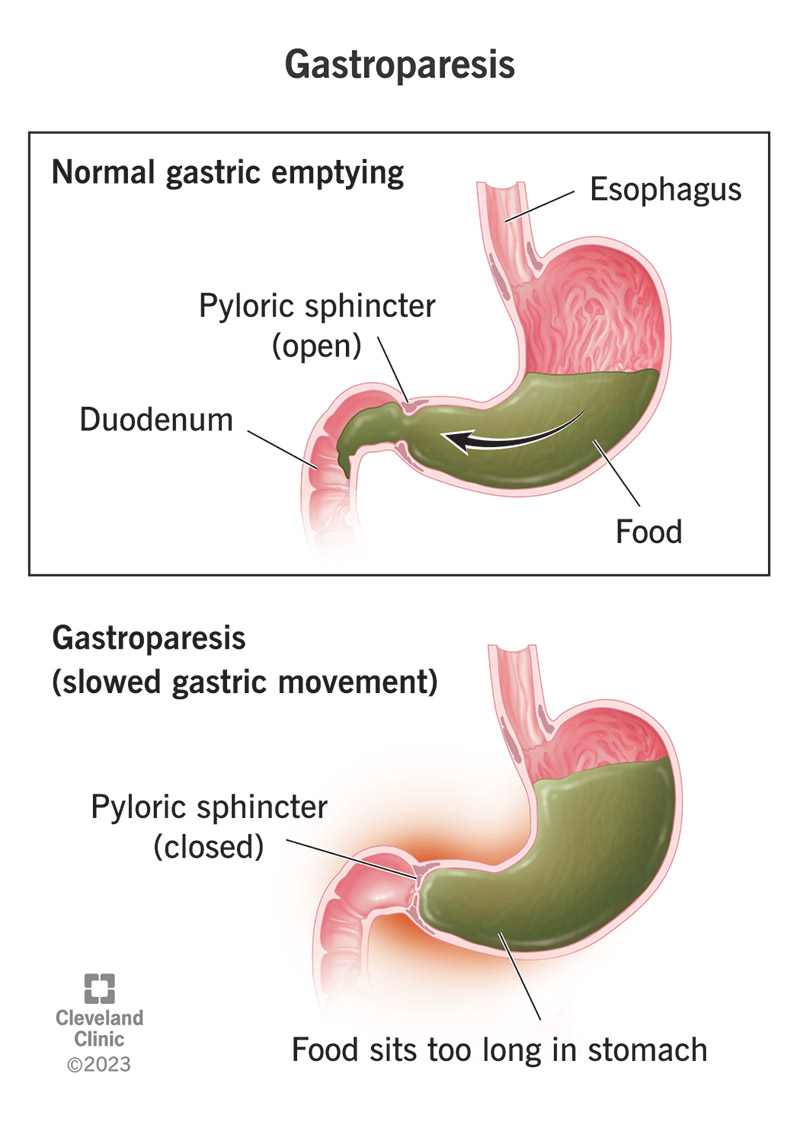
The digestive system struggles without proper nutrients. It may slow down or become irregular. Nutrient deficiencies can cause bloating, cramps, and poor digestion. The gut lining may weaken, reducing nutrient absorption further. This creates a cycle that worsens health over time.
Immune System Decline
A weak immune system results from lacking key nutrients. The body cannot fight infections well. Minor illnesses last longer and may become serious. Vitamins A, C, D, and zinc are vital for immune health. Without them, the body’s defenses grow weaker every day.
Macronutrients And Body Functions
Macronutrients are the main nutrients the body requires to work well. They include proteins, fats, and carbohydrates. Each plays a unique role in maintaining health and supporting body functions. Without enough macronutrients, the body cannot perform its tasks properly.
Role Of Proteins
Proteins build and repair body tissues. They create enzymes and hormones that control body processes. Muscles, skin, and hair rely on protein for strength and growth. A lack of protein weakens the immune system and slows healing.
Importance Of Fats
Fats provide long-lasting energy and help absorb vitamins. They protect organs and keep the body warm. Fats are essential for brain health and cell growth. Without enough fat, the body may feel tired and have poor memory.
Carbohydrates As Energy Source
Carbohydrates are the body’s main source of quick energy. They fuel the brain, muscles, and organs. When carbohydrates are low, the body uses protein for energy, which harms muscle health. A steady supply of carbs keeps energy levels stable throughout the day.
Micronutrient Importance
Micronutrients play a crucial role in keeping the body healthy and functioning well. These tiny nutrients include vitamins and minerals, which the body needs in small amounts. Even though they are needed in small quantities, their impact on health is huge. Without enough micronutrients, many body processes slow down or stop working properly.
Vitamins And Their Functions
Vitamins are organic compounds essential for life. They help the body perform many tasks. For example, vitamin A supports good vision and skin health. Vitamin C helps heal wounds and boosts the immune system. Vitamin D aids in calcium absorption for strong bones. Each vitamin has a unique role to keep the body balanced and healthy.
Essential Minerals
Minerals like iron, calcium, and zinc are vital for the body. Iron carries oxygen in the blood. Calcium builds strong bones and teeth. Zinc supports the immune system and helps wounds heal. These minerals support many body functions, including muscle movement and nerve signaling. A lack of these minerals can cause serious health problems.
Consequences Of Deficiencies
Not getting enough vitamins or minerals can lead to many health issues. Deficiencies can cause fatigue, weak bones, and poor immune response. For example, lack of iron causes anemia, making people feel tired and weak. Vitamin D deficiency can lead to bone pain and fractures. Long-term shortages harm growth, brain function, and overall health.
Malabsorption And Nutrient Uptake
The body’s ability to absorb nutrients is vital for overall health. Nutrient uptake happens mainly in the small intestine. When this process fails, the body cannot get the vitamins, minerals, and energy it needs. This condition is known as malabsorption. It leads to many health problems because cells and organs do not receive proper nourishment.
Malabsorption can result from several causes. It may affect the digestion of food or the absorption of nutrients into the bloodstream. Without enough nutrients, the body’s systems slow down or stop working properly. This affects energy, growth, immune function, and repair processes.
Causes Of Malabsorption
Several conditions cause malabsorption. Celiac disease damages the small intestine lining, reducing nutrient absorption. Lactose intolerance leads to difficulty digesting milk sugar. Chronic pancreatitis lowers enzyme production needed for digestion. Infections, surgeries, or certain medications can also impair nutrient uptake. Some genetic disorders affect the body’s ability to process food nutrients.
Symptoms Of Poor Absorption
Symptoms vary but often include diarrhea and weight loss. People may feel tired and weak due to low energy. Bloating, gas, and stomach pain are common. Nutrient deficiencies cause dry skin, hair loss, or brittle nails. Anemia from poor iron absorption leads to fatigue and pale skin. In children, malabsorption can slow growth and development.
Long-term Health Risks
Long-term malabsorption can cause serious health problems. Bone weakness or osteoporosis may develop from low calcium and vitamin D. Immune system weakens, increasing infection risk. Chronic fatigue and muscle loss affect daily life. Neurological issues may appear from vitamin B12 deficiency. Untreated malabsorption can lead to organ damage and reduced quality of life.
Diseases Linked To Poor Nutrition
Poor nutrition harms the body’s ability to work well. Without enough nutrients, organs and systems cannot perform their roles. This lack leads to many diseases that affect quality of life. Understanding these health issues helps highlight nutrition’s vital role.
Cardiovascular Conditions
Inadequate nutrition raises the risk of heart problems. Poor diets cause high blood pressure and clogged arteries. These conditions can lead to heart attacks and strokes. Lack of essential fats and vitamins weakens the heart muscle. Eating balanced meals supports a healthy cardiovascular system.
Diabetes And Metabolic Disorders
Improper nutrition disrupts blood sugar control. Excess sugar and unhealthy fats increase diabetes risk. Poor diet also affects metabolism and insulin response. Over time, this causes type 2 diabetes and other metabolic issues. Healthy eating helps maintain stable blood sugar levels and metabolism.
Vision And Cognitive Impairments
Deficiency in nutrients like vitamin A harms eyesight. Poor nutrition can cause night blindness and other eye diseases. Brain function also suffers without enough vitamins and minerals. Memory, focus, and thinking skills decline with poor diet. Proper nutrition supports healthy vision and mental clarity.
Credit: my.clevelandclinic.org
Economic And Social Impacts
Proper nutrient intake is essential for the body to work well. Prevention and management of nutrient deficiencies help maintain health and energy. This section explores practical ways to avoid nutrient problems and manage them effectively.
Balanced Diet Strategies
Eating a variety of foods ensures the body gets all nutrients. Include fruits, vegetables, grains, proteins, and healthy fats daily. Choose whole foods over processed items for better nutrition. Planning meals helps avoid missing important vitamins and minerals. Small, frequent meals can improve nutrient absorption and energy levels.
Addressing Food Scarcity
Food scarcity limits access to essential nutrients for many people. Community programs can provide food aid and education on nutrition. Growing home gardens offers fresh produce and reduces food gaps. Local governments should support food distribution to vulnerable groups. Simple solutions can prevent malnutrition in areas with limited food.
Medical Interventions
Doctors can detect nutrient deficiencies through tests and physical exams. Supplements may be prescribed to correct specific shortages quickly. In severe cases, intravenous nutrition supports the body’s needs. Monitoring progress ensures treatments are effective and safe. Early medical help prevents long-term damage from poor nutrition.
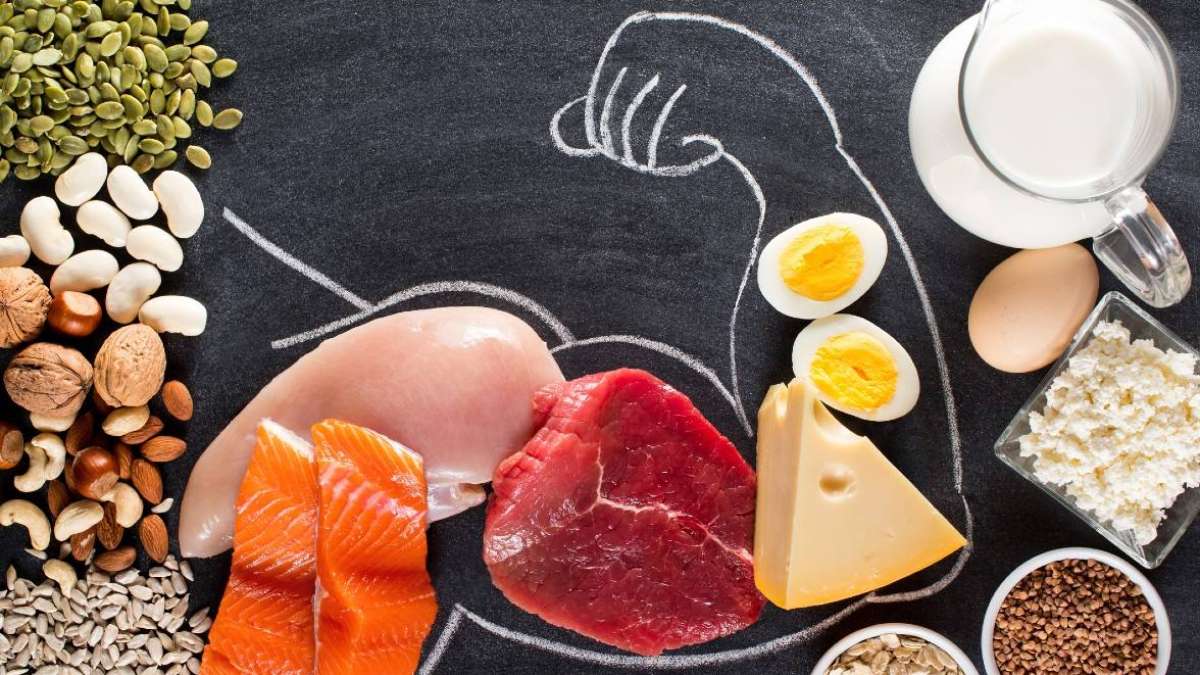
Credit: www.uclahealth.org
Frequently Asked Questions
What Happens When Your Body Doesn’t Get The Nutrients It Needs?
Lack of nutrients weakens your immune system, reduces energy, and damages organs. It causes fatigue, poor growth, and increased illness risk. Nutrient deficiencies impair body functions and slow recovery.
What Happens To The Human Body When Basic Nutritional Needs Are Not Met?
The body weakens, immune function drops, and organ systems fail without essential nutrients. Muscle loss, fatigue, and disease risk increase.
What Happens If Humans Do Not Get Enough Nutrition?
Lack of nutrition weakens the immune system and causes fatigue, muscle loss, and poor growth. It increases disease risk.
What Happens To Your Body If You Cannot Absorb The Nutrients Needed To Keep Your Body Healthy?
Nutrient absorption failure leads to weakness, muscle loss, poor immunity, and organ dysfunction. It causes malnutrition and increased disease risk.
Conclusion
The body needs nutrients to work well every day. Without them, energy drops and organs struggle. Muscles get weak, and the immune system fails. Brain function slows, making focus hard. Long-term lack of nutrients leads to serious illness. Eating balanced food helps the body stay strong.
Remember, good nutrition supports health and life quality. Take care of your body by feeding it right.

“As the voice behind Radiant Glow Health, we are dedicated to being your ultimate wellness and vitality companion. Our mission is to inspire and guide you on your journey to a healthier and more vibrant life. Join us as we explore holistic health practices and empower you to radiate wellness from within.”