“What is the Importance of Nutrition to Human Health?”
Have you ever wondered why nutrition plays such a big role in your health? What you eat every day impacts how you feel, how your body works, and even how long you live.
Good nutrition is not just about avoiding sickness; it’s about giving your body the fuel it needs to stay strong, think clearly, and fight off diseases. Whether you want more energy, better focus, or a stronger immune system, understanding the importance of nutrition can change your life.
Keep reading to discover how the right balance of nutrients supports every part of your body and why paying attention to what you eat is one of the best investments you can make in your health.
Essential Nutrients
Essential nutrients are compounds the body cannot make or cannot make enough of. They must come from food. These nutrients support growth, repair, and overall health. Without them, the body cannot function properly. Understanding essential nutrients helps us choose a balanced diet. They include macronutrients, micronutrients, water, and fiber.
Macronutrients: Energy Sources
Macronutrients provide the energy needed for daily activities. Carbohydrates are the primary fuel for the brain and muscles. Proteins help build and repair tissues. Fats store energy and protect organs. Each macronutrient plays a unique role. Eating the right balance keeps the body strong and active.
Micronutrients: Vital Regulators
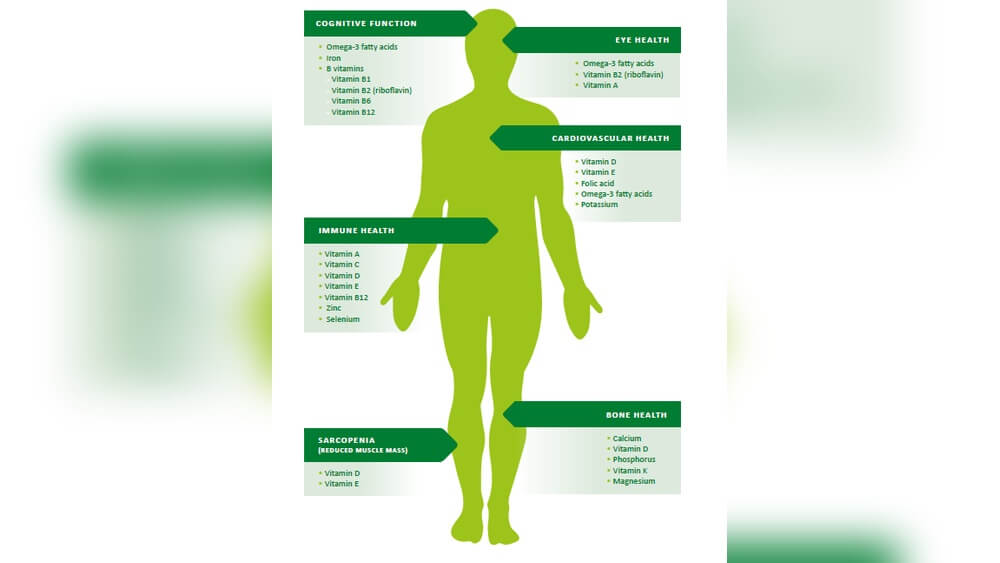
Micronutrients include vitamins and minerals. They regulate body processes like immunity and bone health. Vitamins A, C, D, and others support vision, skin, and healing. Minerals such as calcium and iron strengthen bones and carry oxygen. Even in small amounts, micronutrients are essential for life.
Water And Fiber Roles
Water is crucial for hydration and nutrient transport. It helps control body temperature and flush out toxins. Fiber, a type of carbohydrate, aids digestion. It keeps the gut healthy and prevents constipation. Both water and fiber contribute to overall wellness and help maintain balance in the body.
Credit: www.mdpi.com
Nutrition And Growth
Nutrition plays a key role in human growth and development. It provides the body with essential nutrients needed for building tissues, maintaining organs, and supporting vital functions. Proper nutrition affects physical size, strength, and overall health throughout life.
Growth is a continuous process, starting before birth and continuing into adulthood. Every stage demands specific nutrients to support changes in the body. Poor nutrition can slow growth and cause health problems.
Child And Maternal Health
Good nutrition during pregnancy supports healthy fetal growth. It reduces risks of birth defects and premature birth. Mothers need enough vitamins, minerals, and calories to nourish themselves and their babies. After birth, breast milk provides ideal nutrition for infants, supporting growth and immunity. Children require balanced diets to grow strong bones and muscles and to avoid illness.
Impact On Brain Development
The brain grows rapidly in early childhood. Nutrients like iron, omega-3 fatty acids, and vitamins are crucial for brain cell formation. Proper nutrition improves learning, memory, and behavior. Deficiencies can cause delays in mental development and lower IQ. Healthy diets support focus and cognitive skills as children grow.
Healthy Aging
Nutrition remains important in later life to maintain muscle mass and bone strength. Balanced diets help prevent chronic diseases like diabetes and heart disease. Antioxidants from fruits and vegetables protect cells from damage. Proper hydration and nutrient intake promote energy and mental clarity in older adults. Good nutrition supports independence and quality of life.
Immune System Support
The immune system protects the body from infections and diseases. Proper nutrition strengthens this defense system. Eating the right foods helps the body fight germs and stay healthy.
Good nutrition supports the immune system by providing essential nutrients. These nutrients help immune cells work well. A strong immune system reduces the risk of illness.
Nutrients Boosting Immunity
Certain vitamins and minerals play key roles in immunity. Vitamin C helps make white blood cells that fight infections. Vitamin D supports immune responses and lowers infection risk.
Zinc is important for immune cell function and wound healing. Protein provides building blocks for immune cells and antibodies. Eating a variety of fruits, vegetables, and lean proteins ensures enough of these nutrients.
Nutrition In Disease Prevention
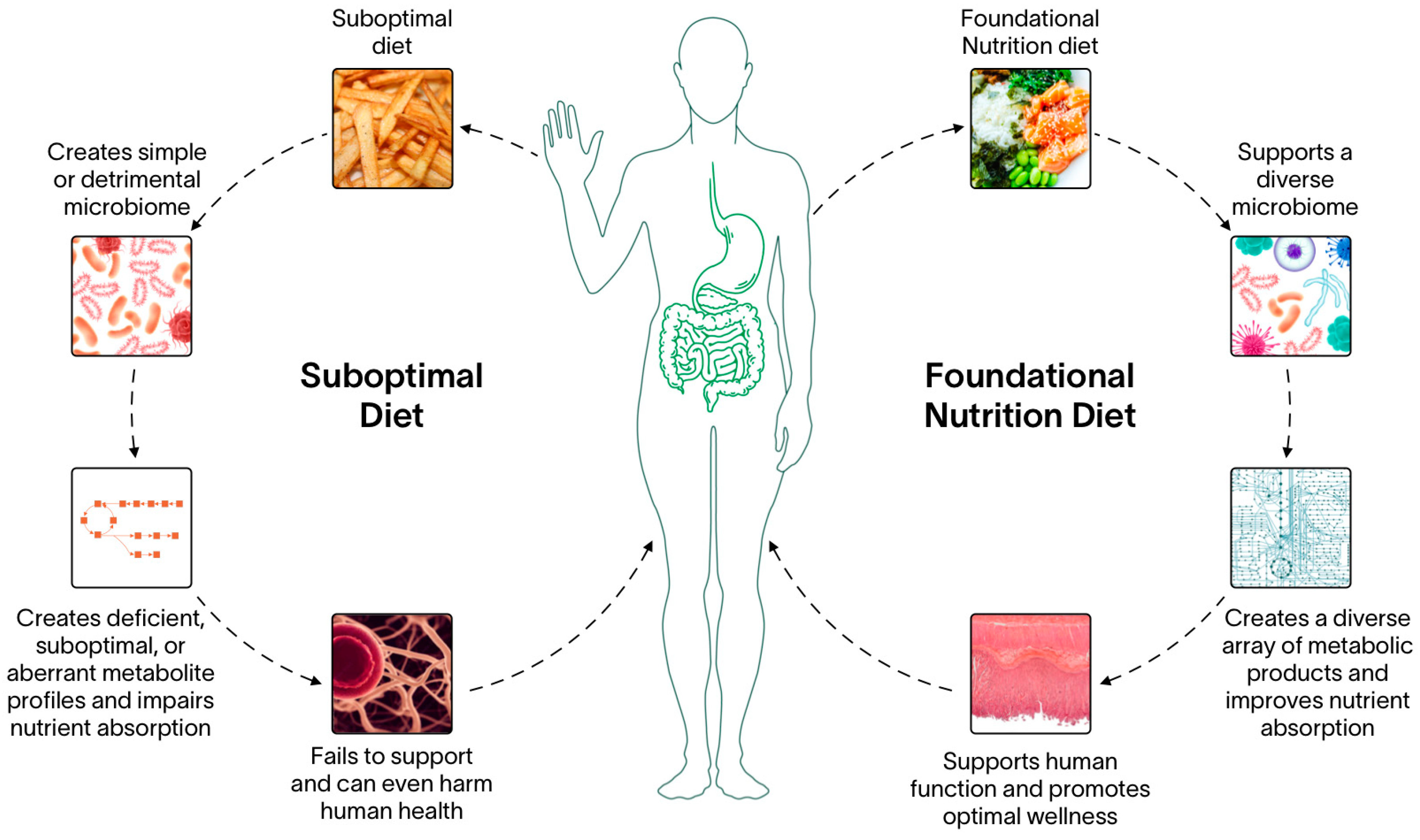
Healthy eating lowers chances of infections and chronic diseases. Antioxidants in fruits and vegetables protect cells from damage. Fiber aids gut health, which is linked to strong immunity.
Balanced nutrition helps keep blood sugar and weight in check. This reduces the risk of diseases like diabetes and heart problems. A well-nourished body handles stress and toxins better.
Role In Recovery And Healing
Nutrition supports the body during illness and healing. Protein helps repair tissues and build new cells. Vitamins A and C aid skin and tissue healing after injury.
Minerals like iron and zinc speed up recovery by supporting immune function. Staying hydrated helps flush out toxins and keeps organs working well. Good nutrition shortens recovery time and improves outcomes.
Chronic Disease Prevention
Chronic diseases cause many health problems worldwide. Nutrition plays a key role in preventing these diseases. Eating the right foods helps keep the body strong and healthy. It also reduces risks for serious illnesses. Good nutrition supports the immune system and controls inflammation. This lowers chances of long-term health issues. Understanding how nutrition affects chronic diseases helps us make smart food choices.
Nutrition And Cardiovascular Health
Heart disease is a leading cause of death globally. A healthy diet can protect the heart and blood vessels. Foods rich in fiber, healthy fats, and antioxidants improve heart health. They lower bad cholesterol and blood pressure. Avoiding excess salt and sugar reduces strain on the heart. Fresh fruits, vegetables, whole grains, and nuts are excellent choices. Proper nutrition strengthens the heart and improves circulation.
Managing Diabetes With Diet
Diabetes affects how the body processes sugar. Diet helps control blood glucose levels and prevents complications. Eating balanced meals with controlled carbohydrates is important. Whole grains and fiber slow sugar absorption in the blood. Avoiding sugary drinks and processed foods helps maintain stable glucose. Regular meals and portion control improve insulin response. Good nutrition supports diabetes management and overall health.
Reducing Cancer Risks
Certain foods can lower the risk of some cancers. Antioxidants in fruits and vegetables protect cells from damage. Fiber-rich foods help remove harmful substances from the body. Limiting processed meats and red meat reduces cancer risk. Healthy fats from fish and plants support cell health. A varied, colorful diet provides nutrients that fight cancer. Nutrition is a powerful tool to reduce cancer chances.
Mental Health And Nutrition
Mental health depends greatly on proper nutrition. The foods we eat affect brain function and mood. Nutrients from food help regulate emotions and improve thinking. A balanced diet supports mental well-being and stress control. Poor nutrition can lead to mood swings and cognitive problems. Understanding how nutrition influences mental health can improve quality of life.
Mood Regulation Nutrients
Certain nutrients help balance mood and reduce depression. Omega-3 fatty acids found in fish improve brain cell function. Vitamin D supports serotonin production, a chemical linked to happiness. Magnesium and zinc also play roles in mood stability. Eating foods rich in these nutrients can boost emotional health.
Cognitive Function Support
Nutrition impacts memory, focus, and learning abilities. Antioxidants like vitamins C and E protect brain cells from damage. B vitamins help create neurotransmitters essential for clear thinking. Healthy fats maintain brain structure and communication. Regular intake of these nutrients supports sharper cognitive skills.
Nutrition’s Role In Stress Management
Stress affects the body and mind negatively. Nutrients such as vitamin C and magnesium reduce stress hormones. Complex carbohydrates increase serotonin, promoting relaxation. Hydration also helps maintain calm and alertness. Good nutrition strengthens the body’s response to stress.
Healthy Weight Management
Maintaining a healthy weight plays a vital role in overall well-being. Proper nutrition supports weight control by providing the body with necessary nutrients without excess calories. Balanced eating helps prevent chronic diseases linked to overweight and obesity. It also boosts energy and improves physical and mental health.
Balanced Diet Principles
A balanced diet includes a variety of foods from all groups. Fruits, vegetables, whole grains, lean proteins, and healthy fats should be part of daily meals. Portion control and meal timing also matter. Eating diverse foods ensures the body gets essential vitamins and minerals. Avoiding processed and sugary foods helps maintain a healthy weight.
Metabolism And Nutrient Intake
Metabolism is the process the body uses to convert food into energy. Proper nutrient intake supports a healthy metabolism. Protein-rich foods can increase metabolism because they require more energy to digest. Carbohydrates and fats provide fuel but should be consumed in the right amounts. Drinking enough water also helps metabolic functions.
Sustainable Eating Habits
Long-term weight management depends on sustainable eating habits. Quick diets often lead to weight regain. Instead, focus on gradual changes that fit your lifestyle. Regular meals, mindful eating, and avoiding emotional eating improve results. Planning meals and snacks helps avoid unhealthy choices. Consistency and patience lead to lasting health benefits.
Hydration And Body Function
Hydration is vital for the body’s proper function. Water makes up about 60% of the human body. Every cell, tissue, and organ needs water to work well. Without enough water, the body cannot maintain balance or perform key tasks. Staying hydrated supports digestion, circulation, and temperature control. It also helps deliver nutrients and oxygen to cells.
Importance Of Water
Water is essential for life. It helps regulate body temperature through sweating and respiration. Water maintains the balance of bodily fluids needed for digestion, absorption, and transportation of nutrients. It cushions joints and protects organs. Dehydration can lead to headaches, fatigue, and poor concentration. Drinking enough water is necessary to keep all these systems working smoothly.
Hydration And Physical Performance
Water directly affects physical performance. Muscles need water to contract and relax properly. Even mild dehydration reduces strength, power, and endurance. When the body loses water through sweat, it loses essential electrolytes. This imbalance can cause cramps and weakness. Proper hydration helps maintain energy levels during exercise and speeds up recovery afterward.
Water’s Role In Detoxification
The body removes waste products through detoxification. Water supports the kidneys in filtering toxins from the blood. It also aids the liver in breaking down harmful substances. Without enough water, these organs cannot work efficiently. Water helps flush waste out through urine and sweat. Drinking enough water supports natural cleansing and helps prevent toxin buildup.
Credit: www.slideshare.net
Nutrition For Active Lifestyles
Nutrition plays a key role in supporting active lifestyles. It provides the energy and nutrients needed for physical activity. Proper nutrition helps improve performance and keeps the body strong. Eating well supports endurance, strength, and overall fitness. It also helps prevent injuries and fatigue.
Fueling Exercise
Carbohydrates are the main fuel for exercise. They provide quick energy for muscles during workouts. Eating carbs before exercise boosts stamina and focus. Protein helps build and repair muscle tissue. Healthy fats offer long-lasting energy for low-intensity activities. Staying hydrated is essential to maintain energy and avoid cramps. Balanced meals with carbs, protein, and fats prepare the body for exercise.
Recovery Nutrition
After exercise, the body needs nutrients to recover. Protein helps repair muscle damage and build new muscle. Carbohydrates refill energy stores lost during activity. Consuming these nutrients soon after exercise speeds recovery. Hydration restores fluids lost through sweat. Vitamins and minerals support immune function and reduce inflammation. Proper recovery nutrition reduces soreness and prepares the body for the next workout.
Supplements And Their Uses
Supplements can help fill nutrition gaps for active people. Protein powders provide convenient protein sources. Electrolyte drinks replace minerals lost in sweat. Creatine supports strength and power during high-intensity exercise. Vitamins like D and B12 support energy and bone health. Supplements are not a replacement for real food. Consulting a healthcare professional ensures safe and effective use of supplements.
Common Nutritional Deficiencies
Common nutritional deficiencies affect many people worldwide. They occur when the body lacks essential vitamins and minerals. These shortages can harm growth, energy, and overall health. Identifying and managing these deficiencies is key to preventing serious health issues.
Many factors cause deficiencies, including poor diet, illness, or absorption problems. Some common deficiencies include iron, vitamin D, calcium, and vitamin B12. Each nutrient plays a vital role in body functions and wellbeing.
Signs And Symptoms
Each deficiency shows unique signs. Iron deficiency can cause fatigue and weakness. Vitamin D shortage may lead to bone pain and muscle weakness. Calcium lack often results in brittle bones and cramps. Vitamin B12 deficiency may cause numbness and memory problems. Recognizing these symptoms early helps in timely treatment.
Prevention Strategies
A balanced diet prevents most deficiencies. Eat a variety of fruits, vegetables, whole grains, and lean proteins. Foods rich in iron include meat, beans, and spinach. Dairy products and sunlight provide vitamin D and calcium. Fortified cereals and animal products supply vitamin B12. Regular check-ups can detect risks before symptoms appear.
Addressing Deficiencies
Doctors may recommend supplements if diet changes are insufficient. Treatment depends on the specific nutrient lacking. Iron supplements help anemia, while vitamin D pills improve bone health. Calcium tablets support strong bones. Vitamin B12 shots or pills treat neurological symptoms. Follow medical advice to restore nutrient balance safely.

Credit: re-nuble.com
Practical Nutrition Tips
Practical nutrition tips help you make better food choices every day. Good nutrition supports your health, energy, and well-being. Small changes in how you eat can have a big impact on your life. Below are simple, useful tips to improve your diet and health.
Meal Planning Basics
Plan your meals ahead to avoid unhealthy options. Include a balance of carbohydrates, proteins, and fats in each meal. Use colorful fruits and vegetables for vitamins and minerals. Prepare a shopping list to buy only what you need. This saves money and reduces food waste. Try to eat at regular times to maintain energy and digestion.
Reading Food Labels
Check food labels to understand what you eat. Look for serving size, calories, and nutrient content. Choose foods with low added sugars and sodium. High fiber and protein content often mean better nutrition. Avoid products with many artificial ingredients or preservatives. Reading labels helps you select healthier options at the store.
Healthy Cooking Methods
Use cooking methods that keep food nutrients intact. Steaming, baking, grilling, and boiling are healthier than frying. Avoid using too much oil, salt, or sugar in recipes. Try herbs and spices for flavor without extra calories. Cooking at home lets you control ingredients and portion sizes. It helps you enjoy tasty meals and stay healthy.
Frequently Asked Questions
Why Is Nutrition Important To Human Health?
Nutrition provides essential nutrients that fuel the body, support growth, strengthen immunity, and prevent diseases, promoting overall health.
What Is The Most Important Nutrition For Humans?
The most important nutrition for humans includes carbohydrates, proteins, fats, vitamins, minerals, and water. These nutrients provide energy, support growth, regulate body functions, and maintain hydration essential for overall health.
What Are The 7 Importances Of Nutrients?
Nutrients provide energy, build and repair tissues, support immune function, regulate body processes, protect organs, aid digestion, and maintain hydration.
Is Nutrition Necessary For Human Beings?
Nutrition is essential for human health, providing energy, supporting growth, boosting immunity, and preventing diseases. It sustains life and promotes well-being.
Conclusion
Good nutrition supports strong bodies and sharp minds. It helps prevent many illnesses and boosts energy daily. Eating balanced meals supplies essential nutrients for growth and repair. Drinking enough water keeps the body working well. Healthy eating habits improve mood and overall well-being.
Small changes in diet can make a big difference. Choose wholesome foods to live a longer, healthier life. Nutrition truly matters for everyone, every day.

“As the voice behind Radiant Glow Health, we are dedicated to being your ultimate wellness and vitality companion. Our mission is to inspire and guide you on your journey to a healthier and more vibrant life. Join us as we explore holistic health practices and empower you to radiate wellness from within.”