If you have cardiovascular disease, you might wonder: can you still exercise safely? The answer is yes—and staying active can actually be one of the best things you do for your heart.
But it’s not just about moving more; it’s about understanding how to exercise in a way that supports your health without putting you at risk. You’ll discover how exercise can strengthen your heart, help control symptoms, and improve your quality of life.
Plus, you’ll learn practical tips to get started safely and confidently. Keep reading—your heart will thank you.
Benefits Of Exercise With Cardiovascular Disease
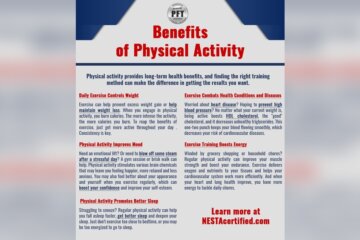
Exercise plays a key role in managing cardiovascular disease. It helps improve heart health and supports overall well-being. Regular physical activity offers many benefits, even for those with heart conditions. Staying active can strengthen the heart, reduce risk factors, and ease symptoms.
Strengthening The Heart Muscle
Exercise makes the heart muscle stronger and more efficient. A stronger heart pumps blood better, delivering oxygen to the body. This reduces the workload on the heart during daily activities. Over time, regular activity helps the heart recover and maintain its function.
Reducing Blood Pressure And Cholesterol
Physical activity helps lower blood pressure and control cholesterol levels. Lower blood pressure reduces strain on arteries and the heart. Improved cholesterol levels decrease the risk of artery blockages. These changes help prevent further heart damage and complications.
Improving Symptom Management
Exercise can ease symptoms like chest pain and fatigue. It helps improve circulation and lung function. Increased fitness allows people to do more without discomfort. This leads to better control over symptoms and fewer hospital visits.
Enhancing Overall Quality Of Life
Regular exercise boosts mood and energy levels. It promotes better sleep and reduces stress. Being active helps maintain a healthy weight and improves mobility. These benefits lead to a more active, independent life.

Credit: myheart.net
Types Of Safe Exercises
Choosing the right exercises is key for people with cardiovascular disease. Safe workouts help improve heart health without causing harm. Understanding which exercises suit your condition can boost confidence and encourage regular activity.
Exercise types vary in intensity and impact. Some activities strengthen the heart gently, while others focus on flexibility and balance. Avoiding risky exercises reduces complications and supports long-term wellness.
Low-impact Aerobic Activities
Walking is a simple and effective aerobic exercise. Swimming offers a full-body workout with minimal joint stress. Cycling on a stationary bike keeps the heart active without sudden strain. These activities raise the heart rate safely and improve circulation. Regular low-impact exercise strengthens the heart muscle over time.
Strength Training Considerations
Light weight lifting can build muscle and support heart health. Use low weights and do more repetitions to avoid overexertion. Avoid heavy lifting or holding your breath during exercises. Always breathe steadily and focus on controlled movements. Strength training improves metabolism and supports daily activities.
Flexibility And Balance Exercises
Stretching increases blood flow and reduces muscle tension. Yoga helps with flexibility, relaxation, and stress reduction. Tai chi improves balance and coordination, reducing fall risk. These exercises complement aerobic workouts and enhance overall fitness. Gentle stretching supports joint health and eases stiffness.
Activities To Avoid
High-impact sports like running or jumping can strain the heart. Intense competitive sports may raise blood pressure too much. Heavy weightlifting with sudden exertion should be avoided. Activities that cause chest pain, dizziness, or shortness of breath are unsafe. Always stop exercising if you feel unwell and consult a doctor.
Precautions Before Starting
Starting an exercise routine with cardiovascular disease requires careful planning. Taking the right precautions helps avoid risks. It ensures exercise benefits your heart health safely. Below are key steps to take before you begin.
Consulting Your Healthcare Provider
Talk to your doctor before starting any exercise plan. Your provider knows your heart condition best. They can recommend safe activities for your health. This step helps prevent complications during workouts. Follow their advice closely for the best results.
Assessing Your Current Health Status
Understand your current heart health before exercising. Get tests like ECG or stress tests if suggested. Know your limits and symptoms clearly. This assessment guides choosing exercises that fit your condition. Avoid pushing beyond what your body can handle.
Setting Realistic Exercise Goals
Set small, manageable goals for your fitness journey. Focus on consistency rather than intensity at first. Goals like walking 10 minutes daily are a good start. Gradually increase time and effort based on progress. Realistic goals keep you motivated and safe.
Recognizing Warning Signs
Learn symptoms that signal trouble during exercise. Stop immediately if you feel chest pain or dizziness. Other warning signs include shortness of breath and irregular heartbeat. Knowing these signs protects you from serious events. Report any concerns to your healthcare provider promptly.

Credit: www.jacc.org
Creating A Heart-healthy Routine
Creating a heart-healthy routine is essential for people with cardiovascular disease. A well-planned exercise program supports heart strength and overall health. It reduces symptoms and improves daily function. Safe exercise habits help prevent complications and promote long-term wellness.
Building this routine requires focus on gentle progression and balance. Small changes over time lead to better heart health. Consistency and proper care during workouts keep the heart safe and strong.
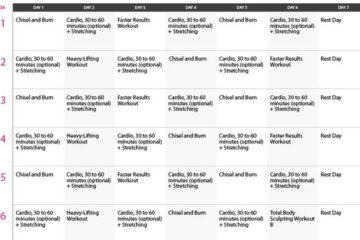
Warm-up And Cool-down Importance
Start every session with a warm-up. It prepares the heart and muscles for exercise. Gentle movements raise your heart rate gradually. This reduces the risk of strain or injury. Cooling down after exercise is just as important. It helps your heart return to normal pace. Stretching during cool-down eases muscle tightness and improves flexibility.
Gradual Intensity Increase
Increase exercise intensity slowly. Begin with low-impact activities like walking or cycling. Add more time or effort in small steps. This approach prevents overworking the heart. It allows your body to adapt safely. Watch how your body feels and stop if you notice pain or discomfort.
Consistency Over Intensity
Regular exercise beats occasional intense workouts. Aim for steady, moderate activity most days. This helps strengthen your heart steadily. Consistency builds endurance without overloading your system. It is better for managing cardiovascular disease long-term.
Incorporating Rest Days
Rest days are vital for recovery. They allow your heart and muscles to heal. Avoid exercising every day without breaks. Plan rest days between workout sessions. Good rest reduces fatigue and lowers injury risk. It keeps your routine sustainable and enjoyable.
Lifestyle Changes Complementing Exercise
Exercise is vital for managing cardiovascular disease. It strengthens the heart and improves blood flow. Yet, exercise alone is not enough. Certain lifestyle changes enhance the benefits of physical activity. These habits support heart health and reduce disease risks. Adopting them alongside exercise creates a powerful approach to heart care.
Heart-healthy Diet Tips
Eating the right foods fuels your heart properly. Choose fruits, vegetables, and whole grains. Limit salt, sugar, and unhealthy fats. Include lean proteins like fish and poultry. Healthy fats from nuts and olive oil also help. Avoid processed and fast foods to reduce cholesterol and blood pressure.
Smoking Cessation Benefits
Quitting smoking improves heart health quickly. It lowers blood pressure and increases oxygen in the blood. Smoking damages blood vessels and raises heart attack risk. Stopping smoking helps blood flow better and reduces artery inflammation. Every smoke-free day adds to your heart’s recovery.
Weight Management Strategies
Keeping a healthy weight reduces heart strain. Excess weight raises blood pressure and cholesterol levels. Combine exercise with balanced eating for weight control. Set realistic goals and track your progress. Even small weight loss improves heart function and lowers disease risks.
Medication Adherence
Taking prescribed medicines correctly supports heart health. Medications control blood pressure, cholesterol, and other conditions. Skipping doses can worsen disease or cause complications. Follow your doctor’s instructions and attend regular check-ups. Medication and lifestyle changes together protect your heart effectively.
Monitoring Progress And Adjustments
Monitoring progress and making adjustments are vital steps when exercising with cardiovascular disease. Careful observation helps ensure safety and maximizes benefits. It involves watching how your body responds during activity and knowing when to change your routine. Staying in tune with your body’s signals can prevent complications and improve outcomes.
Tracking progress also helps you and your healthcare provider tailor your exercise plan. Regular checks can identify improvements or signs that need attention. This ongoing process supports a safe and effective fitness journey despite heart challenges.
Tracking Symptoms During Activity
Notice any unusual feelings while exercising. Common symptoms include chest pain, dizziness, or shortness of breath. Mild tiredness is normal, but sharp pain is not. Keep a log of symptoms and their timing. Share this information with your doctor to adjust your plan safely.
Using Heart Rate Monitors Safely
Heart rate monitors help track exercise intensity. They show if your heart beats too fast or slow. Set your target heart rate based on your doctor’s advice. Avoid pushing beyond safe limits. Regularly check your monitor during workouts to stay within the recommended range.
When To Modify Or Stop Exercise
Stop exercising immediately if you feel chest pain or severe discomfort. Light-headedness, nausea, or excessive fatigue are warning signs too. Modify your workout by lowering intensity or taking breaks if symptoms appear. Never ignore signs that your body needs rest or care.
Regular Medical Follow-ups
Schedule frequent check-ups to review your heart health. Doctors can assess progress and suggest changes to your exercise plan. They may order tests to monitor your heart’s response to activity. Consistent medical guidance keeps your fitness routine safe and effective over time.
Long-term Impact Of Exercise
Exercise plays a vital role in managing cardiovascular disease. Its long-term impact goes beyond just improving daily symptoms. Regular physical activity supports overall heart health and quality of life. It helps control risk factors and enhances both physical and mental well-being. Understanding these benefits can encourage safe and consistent exercise habits for those living with heart conditions.
Slowing Disease Progression
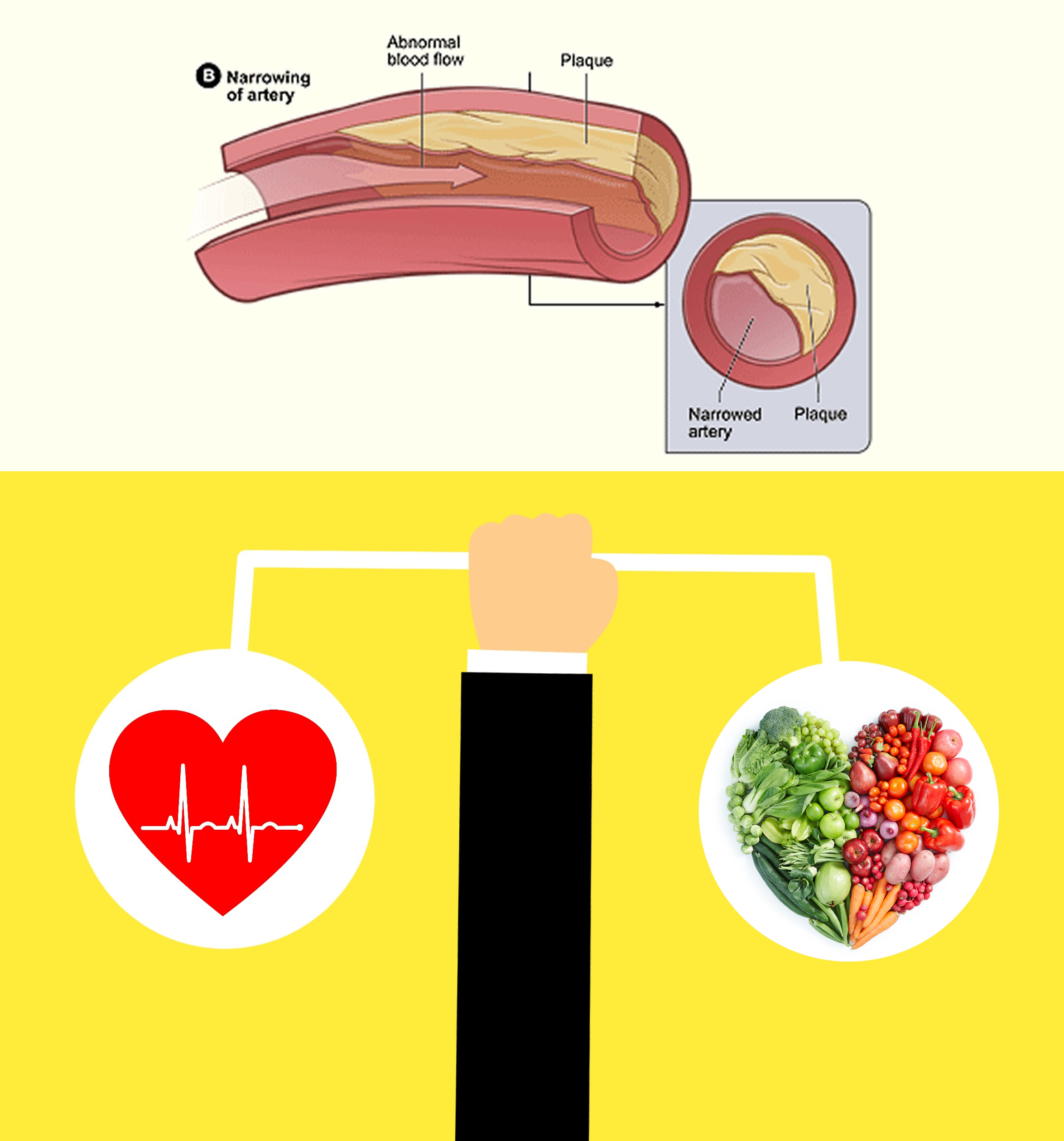
Exercise helps the heart work more efficiently. It improves blood flow and strengthens heart muscles. This slows the buildup of plaque in arteries. Regular activity can lower blood pressure and reduce cholesterol. These effects help to slow the progression of cardiovascular disease. Consistent exercise keeps the heart healthier for longer.
Reducing Risk Of Complications
Physical activity lowers the risk of heart attacks and strokes. Exercise improves how the body handles sugar and fats. This reduces the chance of diabetes and obesity, which worsen heart disease. Being active also helps control inflammation in blood vessels. Lowering these risks prevents dangerous complications and hospital visits.
Supporting Mental Health
Exercise boosts mood and reduces anxiety and stress. It releases natural chemicals that make people feel better. This support is especially important for those with heart disease. Managing mental health helps patients stick to treatments. Feeling positive improves overall health and daily functioning.
Improving Longevity And Independence
Regular exercise increases life expectancy for heart patients. It helps maintain muscle strength and balance. This keeps people independent and able to perform daily tasks. Staying active reduces the risk of falls and injuries. A longer, healthier life with more independence is possible through exercise.
Credit: drsureshbhagia.com
Frequently Asked Questions
Can People With Cardiovascular Disease Exercise?
People with cardiovascular disease can exercise safely by following medical advice. Regular activity strengthens the heart and lowers risks. Start slowly, choose low-impact exercises, and monitor symptoms closely. Always consult a healthcare professional before beginning any exercise program to ensure safety and effectiveness.
Can You Live A Normal Life With Cad?
Yes, many with CAD live normal lives by managing symptoms through lifestyle changes, medication, and medical treatments. Regular exercise and a healthy diet improve heart health and quality of life. Early diagnosis and consistent care help control disease progression effectively.
Can You Recover From Cardiovascular Disease?
Cardiovascular disease cannot be fully cured but can be effectively managed. Lifestyle changes, medications, and procedures help slow progression and improve quality of life. Many people live long, active lives by controlling risk factors like blood pressure and cholesterol.
Can You Live A Long Life With Cardiovascular Disease?
Yes, many people with cardiovascular disease live long, active lives by managing symptoms through lifestyle changes, medications, and treatments.
Conclusion
Exercise plays a key role in managing cardiovascular disease. It strengthens the heart and improves blood flow. Always start slowly and follow your doctor’s advice. Regular activity can lower blood pressure and cholesterol. Listen to your body and avoid overexertion.
Staying active helps you feel better every day. Small steps lead to big health benefits. Keep moving, stay safe, and live well with heart disease.

“As the voice behind Radiant Glow Health, we are dedicated to being your ultimate wellness and vitality companion. Our mission is to inspire and guide you on your journey to a healthier and more vibrant life. Join us as we explore holistic health practices and empower you to radiate wellness from within.”