“Why Isn’T Exercise Getting Easier”
Have you noticed that your workouts aren’t getting easier, no matter how consistent you are? You push yourself, stick to your routine, and yet exercise feels just as tough—or even tougher—than when you started.
It’s frustrating, right? You might expect your body to adapt and make things smoother over time, but instead, you find yourself struggling more. Why is that happening? Understanding the real reasons behind this struggle can change the way you approach your fitness journey.
Keep reading, because uncovering these truths will help you break through the barriers holding you back and make your workouts feel rewarding again.

Credit: allseniorscare.com
Exercise Challenges Over Time
Exercise often feels tough at the start and sometimes remains challenging over time. Understanding why exercise does not always get easier helps you stay motivated. Your body goes through many changes as you keep working out.
These changes affect how your muscles, nerves, and energy systems respond. They also influence how your mind adapts to new routines. Let’s explore the common exercise challenges over time.
Initial Stress And Soreness
When you begin exercising, your muscles face new stress. This causes soreness and stiffness that can last for days. Your body works hard to repair muscle fibers and reduce inflammation. This phase feels hard but is necessary for growth.
Many people stop during this stage because of discomfort. Knowing soreness is normal helps you push through early challenges. Your muscles will adjust and soreness will lessen with time.
Neuromuscular Adaptations
Your brain and muscles start working better together after a few workouts. This process is called neuromuscular adaptation. It helps your body use muscle fibers more efficiently. Movements become smoother and require less effort.
You may feel stronger without seeing big changes in muscle size yet. This stage improves your coordination and balance. It also reduces fatigue during simple exercises.
Endurance And Strength Gains
As exercise continues, your heart and lungs grow stronger. This builds endurance and helps you last longer during workouts. Your muscles also gain strength and size from regular training. These improvements make some exercises easier to perform.
Still, progress can slow down. Your body adapts to the current workout level. To keep improving, you must increase the challenge gradually. This stops plateaus and keeps workouts effective.
Building Consistent Habits
Consistency is key to making exercise feel easier over time. Regular workouts train your mind to expect physical activity. This builds mental strength and motivation. Habit formation helps you push through tough days.
Good habits reduce stress about working out. They create a routine that fits your lifestyle. Over time, exercise becomes part of your daily life, not a burden.
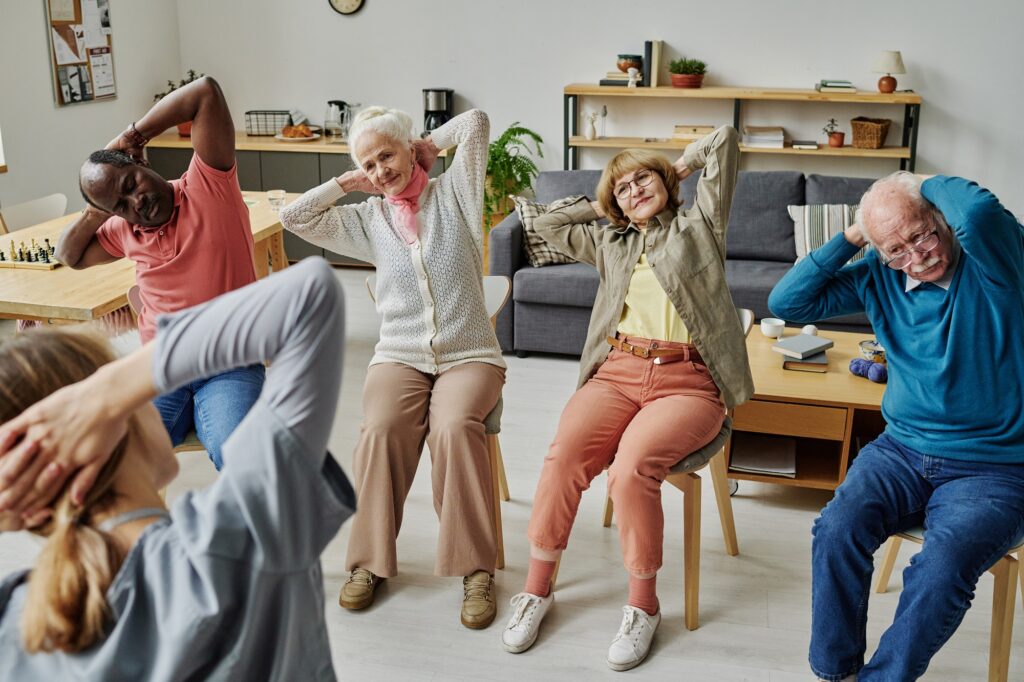
Credit: homecare-aid.com
Why Workouts Feel Harder
Workouts often feel harder even after regular exercise. This can confuse many fitness enthusiasts. Understanding why this happens helps you adjust your routine smartly. Several factors influence the perceived difficulty of your workouts.
Mismatch Between Workout And Capacity
Your body changes over time. A workout that was tough might become easy or boring. Or it might feel harder if your muscles expect a different challenge. If you don’t match your workout to your current strength and stamina, the effort feels off. This mismatch can make exercise frustrating rather than rewarding.
Changing Stress Patterns
Exercise is a form of stress on the body. Your body adapts to stress patterns quickly. But if your daily life adds new stresses, workouts feel tougher. Stress from work, family, or lack of sleep affects recovery. When the body is under more pressure, even simple workouts can feel exhausting.
Impact Of External Factors
External factors also play a big role. Weather, diet, and hydration influence how you perform. Poor nutrition or dehydration reduces energy levels. Hot or cold weather can make movement harder. These factors can make the same workout feel very different on different days.
Plateaus And Progression
Exercise plateaus happen when your body adapts to your current workout routine. Progress slows down or stops. This can make workouts feel harder or less effective. To keep improving, your body needs new challenges. Understanding plateaus and progression helps maintain steady gains and avoid frustration.
Signs You Need More Intensity
You stop feeling tired during workouts. Exercises that once felt hard become easy. Your muscles no longer feel sore after training. Progress in strength or endurance stalls. You complete sets and reps without much effort. These signs mean your body needs a harder challenge.
Strategies To Overcome Plateaus
Change your workout routine regularly. Add more weight or resistance. Increase the number of repetitions or sets. Try new exercises targeting the same muscles. Adjust rest times between sets. Use interval training to boost intensity. Small changes keep the body guessing and adapting.
Progressing Strength Training
Start with proper form and manageable weights. Gradually increase weight in small steps. Add more reps or sets over time. Track progress in a workout journal. Focus on controlled, slow movements for muscle growth. Rest muscles enough to recover fully. Consistent progression builds strength and avoids plateaus.

Credit: www.youtube.com
Factors Affecting Exercise Ease
Exercise does not always become easier over time. Many factors influence how smooth or tough workouts feel. Understanding these factors helps explain why some days feel harder than others.
Body condition, daily habits, and environment all play a role. These elements shape your exercise experience and progress.
Fitness Level And Experience
Beginners often find exercise very challenging at first. Muscles and heart need time to adapt to new demands. As fitness improves, movements become smoother and less tiring. Experienced exercisers may face plateaus where progress slows. At this stage, workouts may feel harder without new challenges or variety.
Consistency And Routine
Regular exercise helps your body adjust and grow stronger. Skipping workouts or changing routines often causes setbacks. Inconsistent effort means muscles and endurance do not fully develop. Sticking to a plan builds stamina and skill, making exercise feel easier over time.
Lifestyle Influences: Sleep And Nutrition
Poor sleep reduces energy and slows recovery. Without enough rest, workouts feel tougher and less productive. Nutrition fuels your body for exercise and repair. Eating balanced meals supports strength and endurance. Lack of proper food and rest can increase fatigue and soreness.
Hormonal And Environmental Impacts
Hormones affect energy, mood, and muscle function. Stress, illness, or hormonal changes can make exercise harder. Temperature and air quality also impact performance. Hot weather or pollution may reduce endurance and increase discomfort. These factors vary daily and influence how your body responds.
Making Exercise Sustainable
Making exercise sustainable is key to long-term fitness success. Many people start strong but struggle to keep up. The secret lies in creating a routine that fits your life and energy levels. Sustainable workouts help maintain motivation and reduce injury risk. They allow steady progress without feeling overwhelming.
Dividing Workouts For Balance
Split your exercise into different sessions to avoid fatigue. Focus on specific muscle groups or types each day. This approach keeps workouts fresh and manageable. It also helps muscles recover properly. Balanced routines prevent overuse injuries and keep energy high.
Mixing Strength, Cardio, And Recovery
Include strength training, cardio, and recovery days in your plan. Strength builds muscle and bone health. Cardio improves heart and lung function. Recovery days help repair muscles and prevent burnout. This mix creates a well-rounded fitness routine that supports lasting progress.
Adapting Workouts To Your Environment
Change your exercise based on where you are and what you have. Use parks, home equipment, or gyms as available. Adapt to weather and time constraints. Flexible workouts keep you consistent and motivated. Environment-friendly plans reduce excuses and promote regular activity.
Preventing Burnout
Listen to your body and rest when needed. Avoid pushing too hard every session. Set realistic goals and celebrate small wins. Vary your activities to stay interested. Preventing burnout keeps exercise enjoyable and sustainable for the long haul.
Frequently Asked Questions
Why Is Working Out Getting Harder Not Easier?
Working out feels harder when your body adapts to old routines or you increase intensity elsewhere. Adjust workouts to match your current fitness level.
How Long Before Exercise Gets Easier?
Exercise usually feels easier within 2 to 4 weeks of consistent training. Your body adapts through improved muscle coordination, stamina, and strength. Regular workouts, proper rest, and gradual intensity increases speed this process. Staying consistent helps build habits and prevents plateaus, making exercise more manageable over time.
What Is The 3-3-3 Rule In Working Out?
The 3-3-3 rule divides workouts into three blocks. Perform three rounds of each exercise before moving on. This method balances strength, cardio, and recovery, making workouts simple, versatile, and consistent.
Why Is Working Out Suddenly So Hard?
Working out feels harder when your body faces new stress, fatigue, or increased intensity. Inconsistent routine, poor sleep, or nutrition also impact effort. Your muscles and cardiovascular system adapt over time, making exercise easier with consistent practice and gradual progression.
Conclusion
Exercise may not get easier because your body adapts and expects more. As you grow stronger, your workouts need more challenge to keep progress going. Sticking to regular exercise helps your muscles and stamina improve over time. Pay attention to rest, sleep, and nutrition to support recovery.
Changing routines or increasing intensity can prevent boredom and plateaus. Remember, feeling challenged means your body is growing stronger. Keep moving and stay consistent to see lasting results.

“As the voice behind Radiant Glow Health, we are dedicated to being your ultimate wellness and vitality companion. Our mission is to inspire and guide you on your journey to a healthier and more vibrant life. Join us as we explore holistic health practices and empower you to radiate wellness from within.”