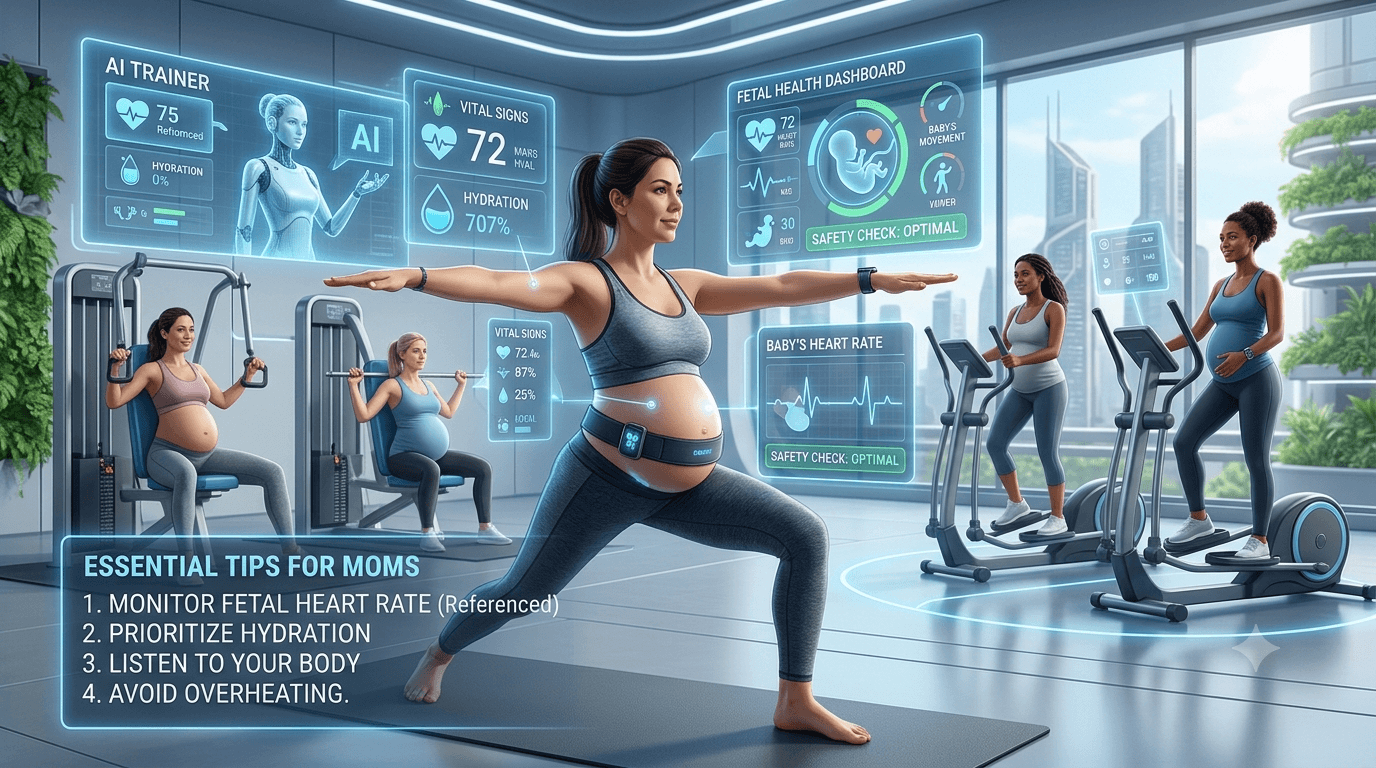
Are you wondering if it’s safe to keep exercising while you’re pregnant? You’re not alone.
Many expecting moms want to stay active but worry about what’s best for their baby and their own health. The truth is, exercise can be a great way to boost your energy, improve mood, and prepare your body for childbirth—if you do it the right way.
But which exercises should you avoid? How can you protect yourself and your baby while staying fit? Keep reading to discover clear, simple guidelines that help you exercise safely throughout your pregnancy. Your well-being and your baby’s health depend on making smart choices—and this article will guide you every step of the way.
Benefits Of Exercising While Pregnant
Exercising during pregnancy offers many benefits for both mother and baby. Staying active helps improve overall health and supports a smoother pregnancy journey. Safe workouts can boost energy levels and reduce common discomforts.
Physical activity also prepares the body for childbirth and aids in faster postpartum recovery. Understanding these benefits encourages healthy habits that last beyond pregnancy.
Physical Health Improvements
Exercise strengthens muscles and improves circulation. It helps reduce swelling and prevent gestational diabetes. Regular activity supports healthy weight gain during pregnancy. It can also lower the risk of high blood pressure and preeclampsia. Simple exercises like walking or swimming are gentle and effective.
Mental Wellbeing Boost
Pregnancy can bring stress and mood swings. Physical activity releases endorphins, which lift mood naturally. Exercise reduces anxiety and helps with better sleep. It creates a sense of control and confidence during changes. Staying active supports emotional balance throughout pregnancy.
Preparation For Labor
Exercise improves stamina and flexibility needed for labor. Stronger muscles help manage contractions and delivery. It may reduce labor time and ease recovery after birth. Practicing breathing and pelvic floor exercises strengthens key areas. Being fit helps mothers feel more prepared and empowered for childbirth.
Safe Exercise Types For Pregnant Moms
Choosing the right exercises during pregnancy helps keep both mom and baby healthy. Safe exercise types focus on gentle movements that do not strain the body. These activities improve circulation, reduce stress, and build strength safely. Pregnant women benefit most from low-impact cardio, modified strength training, and flexibility exercises. Each type supports physical health without risking injury or discomfort.
Low-impact Cardio
Low-impact cardio includes walking, swimming, and stationary cycling. These exercises raise the heart rate without putting pressure on joints. Swimming is especially good because the water supports body weight. Walking helps maintain endurance and can be done anywhere. Avoid high-impact activities like running or jumping. Keep the pace moderate to avoid overheating or exhaustion.
Strength Training Modifications
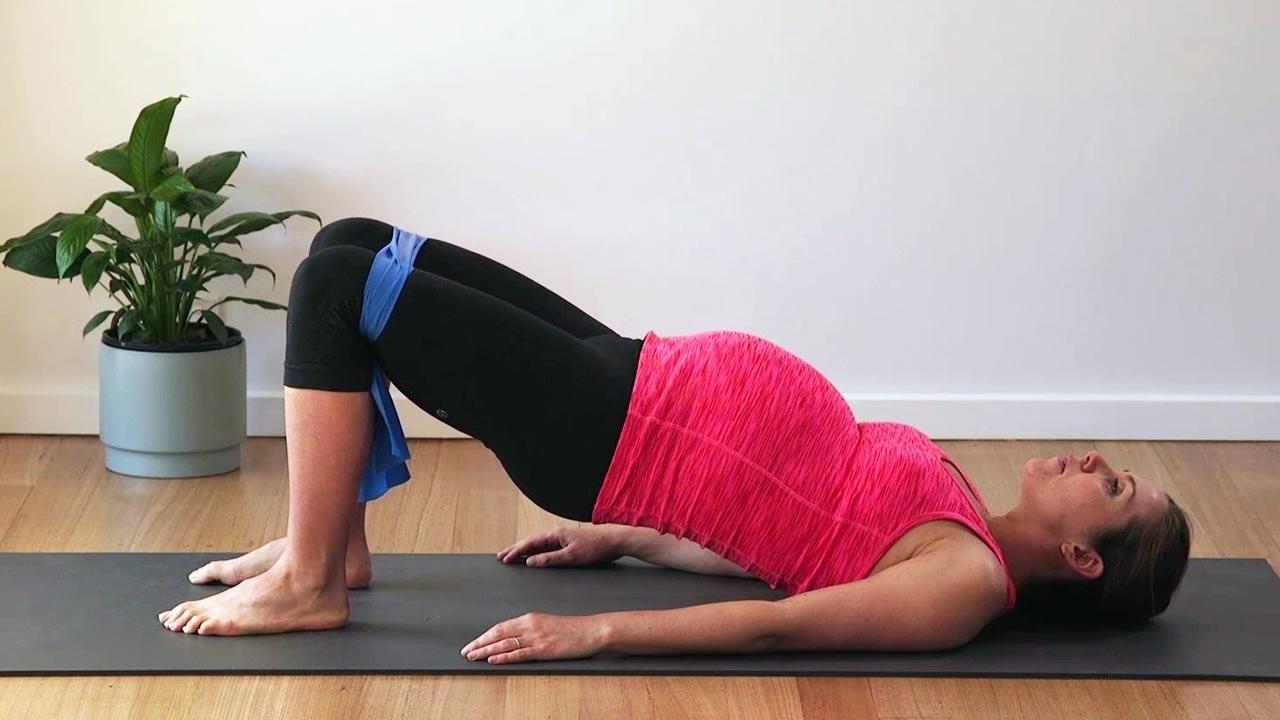
Strength training during pregnancy builds muscle and supports posture. Use lighter weights and avoid heavy lifting. Focus on controlled movements and proper form. Machines can provide extra support and stability. Avoid exercises that require lying flat on your back after the first trimester. Modify planks and squats to reduce strain on the abdomen and pelvis.
Flexibility And Stretching
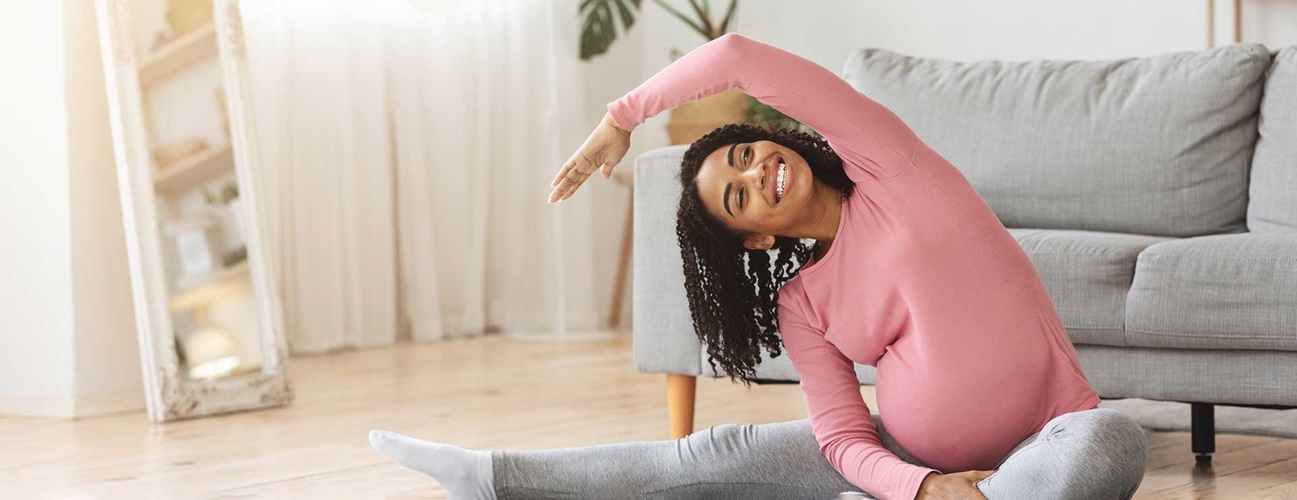
Stretching helps reduce muscle tightness and improves comfort. Gentle yoga and prenatal stretching classes are ideal. Avoid deep twists or overstretching, as pregnancy hormones loosen joints. Focus on slow, steady movements and breathing. Stretching also helps relieve back pain and improves posture. Stop any stretch that causes discomfort or pain.
Exercises To Avoid During Pregnancy
During pregnancy, choosing the right exercises is crucial for health and safety. Some movements and activities can cause harm or stress to the body and baby. Avoiding certain exercises reduces risks like falls, strain, or overheating. Understanding which exercises to skip helps maintain a safe and comfortable workout routine.
High-risk Sports And Activities
Contact sports like soccer, basketball, and hockey carry a high risk of injury. Sports involving falls such as skiing, horseback riding, and gymnastics are unsafe. Skydiving and scuba diving can also harm the baby due to pressure changes or sudden impacts. Avoid these activities to protect yourself and your child.
Heavy Lifting And Straining
Lifting heavy weights can strain your muscles and joints, especially after the first trimester. Your body balance changes, increasing the risk of falls. Avoid exercises that require heavy lifting or intense straining to prevent injuries and complications during pregnancy.
Exercises Lying Flat On Back
After the first trimester, avoid exercises done lying flat on your back. This position can reduce blood flow to the baby and cause dizziness or nausea. Modify workouts to stay comfortable and keep blood circulation healthy throughout pregnancy.
Hot Environments And Overheating
Exercising in hot yoga, hot Pilates, saunas, or hot tubs can lead to overheating. High body temperature may harm the baby and cause dehydration. Choose cooler environments for workouts and stay hydrated to keep your body temperature safe.

Credit: www.truworthwellness.com
Signs To Stop Exercising
Knowing when to stop exercising during pregnancy is very important. Your body sends signals to protect you and your baby. Paying attention to these signs helps avoid risks and keeps you safe. Stop exercising immediately if you notice any warning signs.
Pain And Discomfort
Sharp or severe pain is a clear sign to stop. Mild discomfort is normal, but pain is not. Stop if you feel pain in your belly, pelvis, or lower back. Any unusual cramping or pressure means you should pause your workout. Do not ignore persistent aches or pains.
Dizziness Or Fainting
Feeling dizzy or faint is dangerous during pregnancy. Stop exercising right away if you feel lightheaded. Sit down and rest until you feel better. Dizziness can signal low blood sugar or poor blood flow. Avoid standing exercises if these symptoms appear.
Unusual Symptoms
Watch for bleeding, fluid leaking, or strong headaches. These are signs to stop and seek medical advice. Sudden swelling in your hands, feet, or face also requires stopping exercise. If you feel sudden shortness of breath or chest pain, stop immediately. Any unusual symptoms need prompt attention for your safety.
Tips For Safe Pregnancy Workouts
Exercising during pregnancy offers many benefits for both mother and baby. Safe workouts improve mood, boost energy, and support a healthy weight. Following important safety tips helps avoid risks and ensures comfort throughout each trimester.
Focus on gentle, low-impact activities and adjust exercises as your body changes. Pay attention to how you feel and make changes to protect your health. These simple steps keep your workouts safe and enjoyable.
Stay Hydrated
Drink water before, during, and after exercise. Pregnancy increases your body’s need for fluids. Staying hydrated prevents overheating and helps maintain energy. Carry a water bottle to sip often. Avoid drinks with caffeine or sugar.
Modify Movements
Change exercises to suit your growing belly and balance. Avoid lying flat on your back after the first trimester. Skip high-impact moves or sudden twists. Use support like a chair or wall for stability. Choose slow, controlled motions to reduce injury risk.
Listen To Your Body
Stop if you feel pain, dizziness, or shortness of breath. Rest when tired and avoid pushing too hard. Pay attention to any unusual symptoms. Your body signals when something is wrong. Trust these signs and adjust your workout accordingly.
Consult Your Healthcare Provider
Talk to your doctor before starting or continuing exercise. Share your workout plan and any symptoms you notice. Your provider can suggest safe activities and limits. Regular check-ups help track your health and your baby’s well-being.
Common Myths About Pregnancy Exercise
Many pregnant women hesitate to exercise due to common myths. These myths cause unnecessary fear and confusion. Separating fact from fiction helps expectant mothers stay active safely. Let’s explore some widespread myths about pregnancy exercise.
Exercise Harms The Baby
Some think exercise can hurt the baby. Moderate exercise is usually safe and healthy. It helps improve circulation and reduces pregnancy discomfort. Doctors often recommend gentle activities like walking or swimming. Intense or risky exercises may need to be avoided. Always follow your healthcare provider’s advice.
Pregnant Women Should Rest Completely
Many believe rest is best during pregnancy. Rest is important but too much can cause problems. Staying active boosts energy and mood. It also helps control weight gain and prepares the body for labor. Light exercise is better than complete rest for most women.
All Exercises Are Safe
Not all exercises suit pregnancy. High-impact or contact sports can be dangerous. Activities with a risk of falling should be avoided. Heavy lifting and exercises lying flat after the first trimester are risky. Choose low-impact, gentle movements instead. Modify exercises to stay safe and comfortable.
How Hormones Affect Exercise During Pregnancy
During pregnancy, hormone levels change significantly. These changes affect the body’s response to exercise. Understanding how hormones influence your body helps you exercise safely. Hormones like relaxin and progesterone play key roles. They prepare your body for childbirth but also impact joints and balance.
Joint Laxity And Injury Risk
Relaxin increases joint laxity. This means your joints become looser than usual. Loose joints can lead to instability during movement. Exercises that were easy before might feel different now. This increase in joint flexibility raises injury risk. Avoid high-impact activities and sudden twists. Choose low-impact exercises that support joint safety.
Changes In Balance And Stability
Hormones also affect your balance. The growing belly shifts your center of gravity. Progesterone may cause mild dizziness or lightheadedness. These changes can make you less stable on your feet. Balance-related exercises may become harder. Use support during workouts and avoid uneven surfaces. Slow, controlled movements reduce the chance of falls.
Credit: www.hopkinsmedicine.org
Creating A Pregnancy Exercise Plan
Creating a pregnancy exercise plan helps you stay active safely. It balances your health needs and your baby’s well-being. A clear plan sets the stage for steady, gentle progress. Understanding your limits and goals makes exercise enjoyable and beneficial. This approach reduces risks and supports a healthy pregnancy journey.
Assessing Fitness Level
Start by checking your current fitness level. Note any health concerns or past exercise habits. Consider how your body feels during mild activity. This step helps choose safe exercises and intensity. Consult your doctor to confirm what suits your condition. Knowing your limits prevents overexertion and injury.
Setting Realistic Goals
Set simple, clear goals for your exercise routine. Focus on improving strength, flexibility, and mood. Avoid aiming for intense workouts or fast results. Small, steady progress is safer and more rewarding. Goals like walking daily or gentle stretching work well. Adjust goals based on energy levels and comfort.
Incorporating Rest Days
Rest days are key for recovery and growth. Plan regular breaks to avoid fatigue and strain. Use rest days to relax and hydrate well. Rest helps your body adapt to new activity levels. Listen to your body and add extra rest if needed. Balanced exercise and rest improve overall pregnancy health.
Credit: www.pregactive.com
Frequently Asked Questions
What Exercises Should Be Avoided During Pregnancy?
Avoid contact sports, heavy lifting, scuba diving, hot yoga, horseback riding, skiing, gymnastics, skydiving, and exercises lying flat on your back after the first trimester. These increase injury risk, stress, or reduce blood flow. Always consult your doctor before exercising during pregnancy.
Is It Safe To Exercise In Early Pregnancy?
Exercising in early pregnancy is generally safe with doctor approval. Avoid high-risk activities, heavy lifting, and overheating. Listen to your body and stay hydrated. Modify exercises as needed to protect both you and your baby.
When Should You Stop Exercising When Pregnant?
Stop exercising during pregnancy if you feel pain, dizziness, shortness of breath, or bleeding. Always consult your doctor.
Can I Do Squats While Pregnant?
Yes, you can do squats while pregnant if you maintain proper form and avoid strain. Always consult your doctor first.
Conclusion
Exercising during pregnancy can be safe with the right care. Choose low-impact activities and avoid risky sports. Always listen to your body and stop if you feel discomfort. Stay hydrated and avoid overheating to protect both you and your baby.
Consult your doctor before starting or continuing any exercise routine. Safe exercise helps maintain health and prepare your body for childbirth. Taking these steps makes a positive difference during pregnancy.

“As the voice behind Radiant Glow Health, we are dedicated to being your ultimate wellness and vitality companion. Our mission is to inspire and guide you on your journey to a healthier and more vibrant life. Join us as we explore holistic health practices and empower you to radiate wellness from within.”