“What Happens When Exercise Intensity Increases”
Have you ever pushed yourself harder during a workout and wondered what’s really happening inside your body? When you increase your exercise intensity, your muscles, heart, and metabolism all respond in powerful ways.
This isn’t just about sweating more—it’s about how your body fuels itself, burns calories, and builds strength. But there’s a catch: too much intensity can backfire, leading to fatigue or even injury. You’ll discover exactly what changes take place as your workout intensity ramps up, how to safely challenge yourself, and why balancing effort with recovery is key to reaching your fitness goals.
Keep reading to learn how to make every workout count without risking burnout or harm.
Credit: www.acefitness.org
Calorie Burn And Energy Use
Increasing exercise intensity affects how your body burns calories and uses energy. Your muscles need more fuel to keep up with harder work. This causes changes in heart rate and the type of fuel your body uses. Understanding these changes helps you maximize workouts and manage energy better.
Higher intensity means your body works harder and burns more calories. It also shifts how your body sources energy to meet demand. These shifts impact your overall performance and recovery.
Elevated Heart Rate Effects
As exercise intensity rises, your heart beats faster. This pumps more oxygen-rich blood to muscles. Muscles then produce energy quickly to support the activity. A higher heart rate means more calories burn during exercise. It also boosts metabolism after your workout ends. This effect helps with fat loss and endurance building.
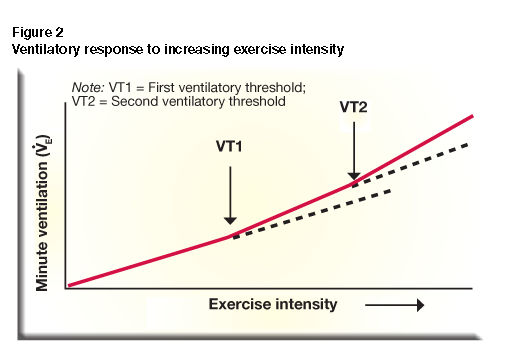
Heart rate increases linearly with intensity. The harder you work, the higher your heart rate climbs. This signals your body to use more energy and oxygen. Your breathing rate also speeds up to match the demand. These changes work together to support intense physical effort.
Fuel Source Shift During Intense Exercise
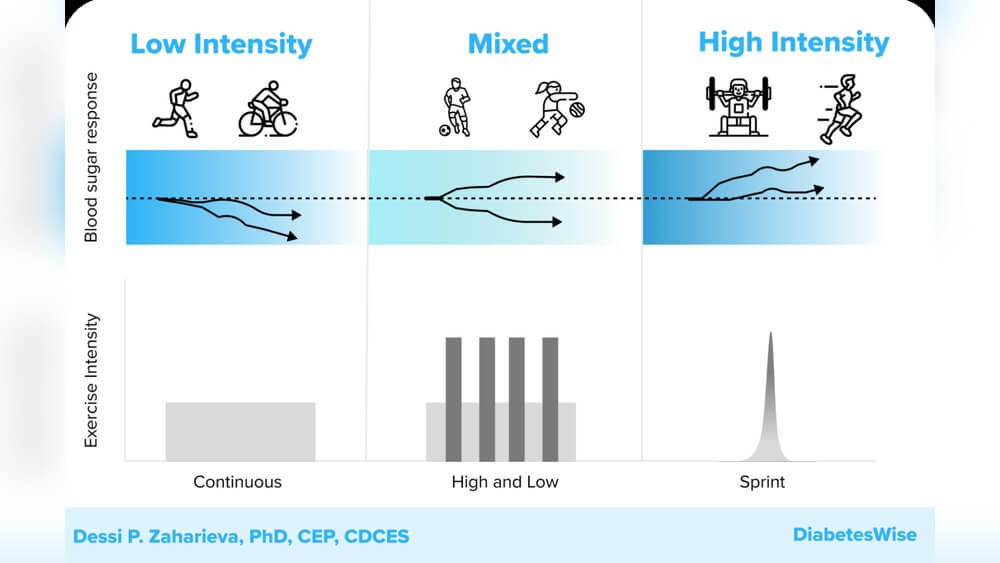
Your body uses different fuels based on exercise intensity. At low intensity, fat is the main energy source. As intensity grows, your body shifts to using carbohydrates. Carbs provide quicker energy than fat. This helps sustain higher power output for short bursts.
Glycogen stored in muscles breaks down into glucose for fast energy. This shift happens because fat metabolism is slower. During very intense exercise, your body relies mostly on carbs. This fuel switch supports quick movements and strength.
After exercise, your body replenishes glycogen stores by using nutrients from food. Understanding this fuel switch can help you plan meals and workouts better. It also explains why intense exercise feels more tiring and requires longer recovery.

Credit: www.myfooddiary.com
Muscle And Strength Adaptations
Increasing exercise intensity leads to important muscle and strength changes. Muscles face greater demands and must adapt to handle heavier loads. These adaptations improve overall power, endurance, and muscle size.
The body recruits more muscle fibers and enhances their function. This process helps generate stronger and faster movements. Understanding these changes explains why training harder can boost fitness quickly.
Explosive Movements And Power Gains
High-intensity exercise trains muscles to contract faster and harder. Explosive movements like jumps or sprints become more effective. This type of training improves power, which is strength used at speed.
Power gains help in sports and daily activities requiring quick bursts of energy. The nervous system also adapts, sending stronger signals to muscles. These adaptations increase speed and force production.
Muscle Fiber Recruitment Changes
Muscle fibers vary in type and function. Low-intensity exercise mainly uses slow-twitch fibers. Higher intensity recruits more fast-twitch fibers, which generate greater force.
Fast-twitch fibers fatigue quicker but are essential for strength and power. Over time, training increases the number of fibers activated during exercise. This leads to stronger and more efficient muscle contractions.
Cardiovascular Responses
As exercise intensity rises, the cardiovascular system works harder to meet the body’s growing demands. This system includes the heart and blood vessels, which adapt quickly to supply more oxygen and nutrients. These changes support muscle activity and improve overall fitness.
The heart pumps faster and stronger, while blood vessels adjust to deliver blood efficiently. These responses help maintain energy and delay fatigue during intense workouts.
Heart Rate And Blood Pressure Changes
Heart rate increases directly with exercise intensity. The faster the heart beats, the more blood it sends to muscles. This helps provide oxygen and remove waste products like carbon dioxide.
Blood pressure also rises but in a controlled way. Systolic pressure (the top number) goes up to push blood harder through vessels. Diastolic pressure (the bottom number) usually stays the same or drops slightly.
These changes ensure muscles get enough fuel during high-intensity efforts. The body balances pressure to protect organs and maintain blood flow.
Improved Aerobic Capacity
Regular exercise at higher intensities boosts aerobic capacity. This means the body becomes better at using oxygen during activity. The heart grows stronger and pumps more blood per beat.
Blood vessels become more flexible and efficient. Muscles develop more mitochondria, the tiny parts that produce energy. This increases stamina and delays tiredness.
Overall, the cardiovascular system adapts to support longer and harder exercise sessions with less strain.
Credit: www.researchgate.net
Metabolic Shifts
Exercise intensity changes how the body creates and uses energy. As intensity rises, the body shifts its metabolism to meet higher energy demands. These metabolic shifts affect how the body breaks down fuels and controls blood sugar. Understanding these changes helps explain how exercise impacts health and performance.
At higher intensities, the body relies more on quick energy sources. This switch influences fat burning and insulin use. Let’s explore these metabolic shifts in detail.
Glycogen Breakdown And Glucose Spikes
Glycogen is stored in muscles and the liver. The body breaks it down into glucose to provide fast energy during intense exercise. This process increases glucose levels in the blood temporarily. These glucose spikes give muscles the fuel they need to keep moving.
Though glucose rises, it is usually not harmful during exercise. The body uses this energy quickly, preventing long-term high blood sugar. This quick energy release supports sustained effort and strength.
Fat Loss And Insulin Sensitivity
Higher exercise intensity helps the body burn more fat over time. Intense workouts improve how the body responds to insulin. Better insulin sensitivity means the body uses blood sugar more effectively. This reduces fat storage and supports weight loss.
Improved insulin response also lowers the risk of type 2 diabetes. Regular intense exercise trains the body to manage energy better. This makes future workouts easier and more effective for fat loss.
Signs Of Overtraining
Increasing exercise intensity pushes your body harder. This can boost fitness but also risks overtraining. Overtraining happens when your body cannot recover from intense workouts. It leads to many warning signs. Recognizing these signs early helps avoid injury and burnout.
Physical Symptoms
Overtraining causes persistent tiredness and heavy muscles. You may feel soreness that does not go away. Injuries like sprains and strains happen more often. Sleep problems such as trouble falling asleep or restless nights are common. You might notice a higher resting heart rate or frequent colds. These symptoms show your body is under too much stress.
Mental And Emotional Effects
Overtraining affects your mind as well. Feelings of irritability or mood swings can appear. Motivation to exercise may drop sharply. Anxiety or feelings of depression might increase. Concentration and memory can become poor. These emotional changes signal that your brain needs rest just like your body.
Performance Declines
Instead of improving, your performance may stall or drop. You may lift less weight or run slower. Endurance could decrease during workouts. Recovery time between sessions grows longer. These declines happen because your muscles and energy systems are exhausted. Ignoring them can lead to bigger problems later.
Rhabdomyolysis Risks
Increasing exercise intensity pushes muscles harder than usual. This can sometimes cause a serious condition called rhabdomyolysis. It happens when muscle cells break down too much and release harmful substances into the bloodstream. These toxins can damage the kidneys and other organs. Understanding the risks is important to stay safe during intense workouts.
Muscle Breakdown Mechanism
Rhabdomyolysis starts with muscle damage. High exercise intensity causes muscle fibers to tear. Inside these fibers, proteins and enzymes leak out. Myoglobin, a protein, enters the blood and harms the kidneys. This process can happen quickly with extreme or prolonged effort. The body struggles to remove these toxins fast enough.
Warning Signs And Symptoms
Early signs include muscle pain and weakness. Swelling or stiffness may develop in the affected area. Dark, tea-colored urine is a key warning sign. Other symptoms are fatigue, nausea, and confusion. These signs mean muscle damage is severe and needs attention.
Emergency Actions
Stop exercising immediately if symptoms appear. Seek medical help without delay. Doctors may give fluids to flush out toxins. Hospital care can prevent kidney failure and other problems. Quick treatment improves recovery chances and reduces complications.
Recovery And Prevention
Increasing exercise intensity pushes your body harder. This demands more from muscles, heart, and energy systems. Proper recovery and prevention help avoid injuries and keep progress steady. Ignoring recovery can lead to fatigue and setbacks.
Focus on rest, listening to your body, nutrition, hydration, and varying workouts. These steps support muscle repair and energy restoration. They reduce stress and keep you motivated for the next session.
Importance Of Rest Days
Rest days allow muscles to repair and grow stronger. Without rest, muscles stay tired and weak. Overworking increases injury risk and slows progress. Plan at least one or two rest days each week. Use this time for light activity like walking or stretching.
Listening To Body Signals
Your body sends signals when it needs a break. Soreness, fatigue, and low energy are warnings. Ignoring these signs leads to overtraining and injury. Adjust workouts based on how you feel. Rest or reduce intensity when needed.
Nutrition And Hydration Tips
Proper nutrition fuels recovery after intense exercise. Eat protein to repair muscles and carbs to restore energy. Drink plenty of water to stay hydrated. Dehydration slows recovery and lowers performance. Small, frequent meals help maintain energy levels.
Workout Variation To Avoid Stress
Changing your workouts prevents stress on the same muscles. Alternate between cardio, strength, and flexibility exercises. This reduces injury risk and keeps workouts interesting. Variety helps the body recover while still staying active.
Frequently Asked Questions
What Does Increasing Intensity Do?
Increasing intensity boosts calorie burn, improves strength, and elevates heart rate for enhanced workout benefits.
What Happens To The Body During High Intensity Exercise?
During high-intensity exercise, your heart rate rises and muscles use glycogen for energy. Breathing quickens and body temperature increases. This boosts calorie burn, improves aerobic capacity, and strengthens muscles. The body also releases sweat to cool down and triggers recovery processes after the workout.
How Does Intensity Affect Exercise?
Increasing exercise intensity boosts calorie burn, improves strength, and enhances cardiovascular fitness. It challenges muscles and heart rate more. Gradual progression prevents injury and overtraining. Intense workouts promote better endurance but require proper rest and nutrition for recovery and performance gains.
What Happens When You Exercise Too Intensely?
Exercising too intensely causes fatigue, poor sleep, mood swings, and injury risk. Severe cases may lead to rhabdomyolysis, a dangerous muscle breakdown. Persistent soreness and low energy signal overtraining. Prioritize rest, hydration, and balanced nutrition to recover and avoid health issues.
Conclusion
Increasing exercise intensity challenges your body in many ways. Your heart rate rises, and muscles work harder. This boosts calorie burn and improves strength. You may feel tired faster and need more rest. Pushing too hard can cause fatigue and injuries.
Listening to your body helps avoid overtraining problems. Gradually raise intensity to gain benefits safely. Consistent effort leads to better fitness and health. Remember, balance is key for long-term success.

“As the voice behind Radiant Glow Health, we are dedicated to being your ultimate wellness and vitality companion. Our mission is to inspire and guide you on your journey to a healthier and more vibrant life. Join us as we explore holistic health practices and empower you to radiate wellness from within.”