Are you wondering when it’s safe and beneficial to start using an exercise ball during your pregnancy? You’re not alone.
Many expectant moms want to stay active and comfortable but worry about the right timing. Using an exercise ball can help ease pregnancy aches, improve your posture, and even prepare your body for labor. But knowing exactly when and how to use it can make all the difference for your comfort and safety.
Keep reading to discover the best times to introduce the exercise ball into your routine, simple moves you can try, and tips to make the most of this powerful pregnancy tool. Your journey to a smoother, more comfortable pregnancy could start right here.
Credit: health.clevelandclinic.org
Trimester Use Guide
Using an exercise ball during pregnancy can support comfort and strength. Each trimester has unique needs and safety tips. This guide helps you understand when and how to use the ball safely.
First Trimester Precautions
The first trimester is a delicate time for your baby. Avoid sudden movements or bouncing on the ball. Use the ball only with your doctor’s approval. Focus on gentle sitting to improve posture. Stop using the ball if you feel dizzy or uncomfortable. Balance may feel off, so stay near a support.
Second Trimester Benefits
The second trimester often brings more energy and better balance. You can try gentle exercises like pelvic tilts and hip circles on the ball. These moves ease lower back pain and improve circulation. Sitting on the ball can reduce pressure on your spine. Use the ball to practice good posture and strengthen core muscles. Always move slowly and avoid over-exertion.
Third Trimester Preparation
The third trimester is ideal for preparing your body for labor. Use the ball for longer sitting periods instead of a chair. Try gentle rocking, figure-eights, and squats to open the pelvis. Lean forward on the ball to relieve hip and back pain. These exercises help the baby move into the right position. Stop if you feel any discomfort or pain.

Credit: babygo.uk
Exercise Ball Benefits
An exercise ball offers many benefits during pregnancy. It helps the body stay active and comfortable. Using the ball can improve strength, flexibility, and balance. Pregnant women often find relief from common aches and pains. The ball also supports the body during labor and delivery. Its gentle movements encourage better posture and reduce pressure on the back. Many women use the ball to prepare for childbirth and ease discomfort. Below are key benefits of using an exercise ball in pregnancy.
Easing Pregnancy Discomfort
Sitting on an exercise ball reduces lower back pain. It encourages gentle movement that loosens tight muscles. The ball helps open the pelvis, easing pressure in the hips. Gentle bouncing or rocking soothes the body and improves blood flow. This can reduce swelling and fatigue in the legs. Regular use can ease pelvic pain and sciatica. Many women find it easier to relax using the ball.
Supporting Labor And Delivery
The exercise ball helps position the baby for birth. Sitting upright on the ball encourages the baby to move down the pelvis. Gentle rocking or circular movements can reduce labor pain. The ball promotes better breathing and relaxation during contractions. It supports the body in active labor positions. Using the ball may help shorten labor and reduce the need for pain relief. It also gives moms more control over their movement.
Improving Posture And Balance
Pregnancy changes the body’s center of gravity. Sitting on an exercise ball strengthens core muscles. This improves posture and helps prevent back strain. The ball encourages natural spinal alignment. It also improves balance and coordination. Stronger muscles reduce the risk of falls. Using the ball daily helps maintain stability as the pregnancy progresses. It supports a healthy, comfortable posture throughout pregnancy.
Safe Usage Tips
Using an exercise ball during pregnancy can offer many benefits. It helps improve posture, reduce back pain, and prepare the body for labor. To stay safe, follow some simple tips. These guidelines make sure you use the ball correctly and avoid any risks.
Proper Sitting Position
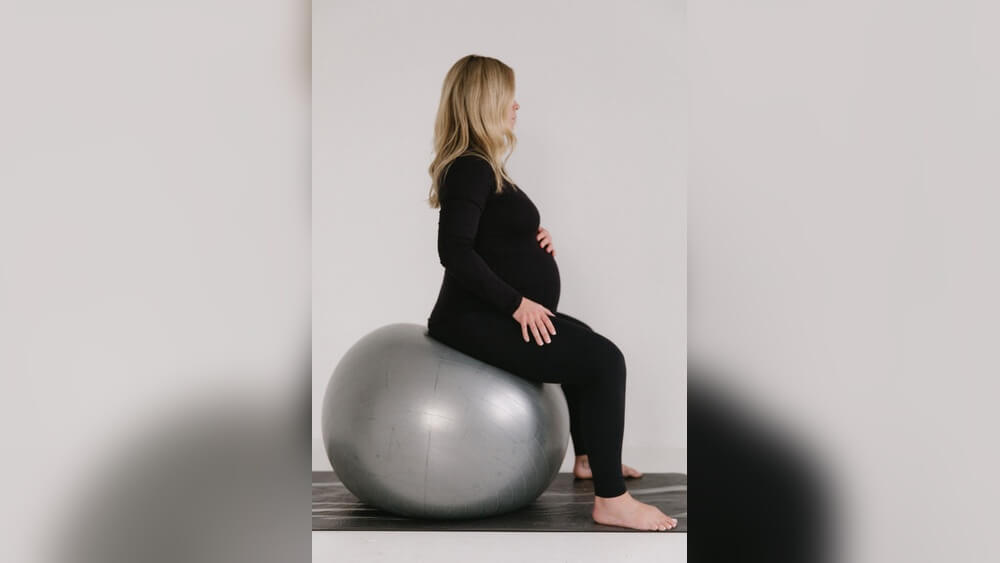
Sit on the exercise ball with your feet flat on the floor. Keep your knees slightly lower than your hips. This position supports your lower back and improves balance. Avoid leaning too far forward or backward. Always keep your spine straight and shoulders relaxed. A good posture reduces strain and helps your baby settle into the right position.
Listening To Your Body
Pay close attention to how your body feels while using the ball. Stop immediately if you feel pain, dizziness, or discomfort. Use the ball only for short periods at first. Gradually increase your time as you feel more confident. Rest when needed and avoid any movements that feel unsafe or hard to control.
Consulting Your Healthcare Provider
Talk to your doctor or midwife before starting exercise ball use. They can check if it is safe for your specific pregnancy. Share any health issues or concerns with them. Follow their advice about how often and how long to use the ball. Regular check-ins can help adjust your routine as your pregnancy progresses.
Recommended Exercises
Exercise balls offer gentle support and help maintain comfort during pregnancy. Using the ball encourages proper posture and eases back pain. It also promotes pelvic flexibility, which can aid childbirth. Below are recommended exercises safe for most pregnant women. Always consult your healthcare provider before starting any exercise.
Pelvic Tilts And Hip Circles
Sit on the exercise ball with feet flat on the floor. Slowly tilt your pelvis forward and backward to stretch your lower back. This movement strengthens your abdominal muscles and relieves tension.
Next, try hip circles by gently rotating your hips in a circular motion. This improves pelvic mobility and reduces stiffness. Perform these exercises for a few minutes daily to ease pregnancy discomfort.
Figure-eights And Squats
While sitting on the ball, move your hips in a figure-eight pattern. This helps open the pelvis and improves circulation. It also prepares your body for labor by encouraging baby’s descent.
For squats, stand with the ball against a wall behind your lower back. Slowly squat down, keeping your knees aligned with your toes. The ball supports your back and reduces strain. Squats strengthen leg muscles and improve pelvic floor control.
Using The Ball As A Chair Alternative
Replace your regular chair with an exercise ball for short periods. Sitting on the ball engages core muscles and improves posture. It prevents slouching, which can cause back pain during pregnancy.
Keep your feet flat on the floor and knees slightly lower than hips. Change your sitting position often to avoid stiffness. This simple swap promotes comfort and supports a healthy pregnancy.
Precautions And Contraindications
Using an exercise ball during pregnancy can offer many benefits. It helps improve posture, reduces back pain, and prepares the body for labor. Still, some important precautions must be followed. Not every pregnant woman should use the ball. Certain health conditions and pregnancy risks mean the ball is unsafe.
Knowing when to avoid the ball and when to stop is key. Listening to your body and your doctor’s advice keeps both mother and baby safe. This section covers the main precautions and contraindications for using an exercise ball during pregnancy.
When To Avoid The Ball
Avoid using an exercise ball if you have a high risk of premature labor. Also, do not use it with placenta previa or low-lying placenta. Women with severe pelvic pain or bleeding during pregnancy should skip ball exercises. If your doctor has advised bed rest, the ball is not safe. Avoid if you feel dizzy or unsteady on your feet.
Signs To Stop Immediately
Stop using the exercise ball if you feel sharp pain anywhere. Sudden dizziness or weakness means you must stop at once. If you notice vaginal bleeding or fluid leaking, stop immediately. Any shortness of breath or chest pain requires stopping and calling your doctor. If contractions start or you feel baby movements change, stop right away.
High-risk Pregnancy Considerations
Women with high-risk pregnancies need extra caution with exercise balls. Talk to your healthcare provider before starting any ball exercises. Conditions like preeclampsia, gestational diabetes, or heart issues require special care. The ball may be unsafe for multiple pregnancies or history of miscarriage. Follow all medical advice closely to protect your pregnancy.

Credit: www.wikihow.com
Frequently Asked Questions
When Should You Start Using An Exercise Ball In Pregnancy?
Start using an exercise ball in pregnancy after the first trimester, once your healthcare provider approves. It helps ease discomfort and prepares for labor.
What Is The Best Trimester To Use The Ball?
The best trimester to use the exercise ball is the third trimester. It eases pain and helps prepare for labor. Always consult your healthcare provider before starting.
What Does Bouncing On A Ball Do At 37 Weeks Pregnant?
Bouncing on a ball at 37 weeks helps open the pelvis, encourages baby’s descent, eases discomfort, and prepares for labor.
What Does Bouncing On A Yoga Ball Do When You’re Pregnant?
Bouncing on a yoga ball during pregnancy opens and engages the pelvis, easing labor and encouraging the baby’s descent. It reduces discomfort and promotes pelvic flexibility. Always bounce gently, keep knees lower than hips, and consult your healthcare provider before use.
Conclusion
Using an exercise ball during pregnancy can support comfort and movement. Start only after your healthcare provider approves. Many find it helpful in the second and third trimesters. It eases back pain and improves posture. Gentle bouncing and pelvic exercises encourage baby’s positioning.
Always listen to your body and stop if you feel pain. Make sure your knees stay lower than your hips when sitting. Using the ball can also prepare you for labor. Stay safe, move gently, and enjoy the benefits of the exercise ball during pregnancy.

“As the voice behind Radiant Glow Health, we are dedicated to being your ultimate wellness and vitality companion. Our mission is to inspire and guide you on your journey to a healthier and more vibrant life. Join us as we explore holistic health practices and empower you to radiate wellness from within.”