“Does Personal Care Require Special Knowledge?”
Have you ever wondered if taking care of yourself or others requires special knowledge? You might think personal care is just about basic tasks like bathing, dressing, or eating.
But is it really that simple? The truth is, personal care goes beyond everyday routines—it involves skills and understanding that can make a big difference in health, comfort, and dignity. Whether you’re caring for a loved one or managing your own needs, knowing what personal care truly entails can empower you to do it better.
Keep reading to discover what special knowledge personal care requires and why it matters more than you might expect.

Credit: providers.partnersbhm.org
Education For Personal Care
Education plays a key role in personal care. It ensures caregivers provide safe, effective support. Proper training helps understand client needs and health risks. Learning basic skills builds confidence and professionalism. Many personal care roles require specific education levels and certifications. These prepare workers for daily tasks and emergency situations.
High School Diploma And Equivalents
A high school diploma or GED is often the minimum requirement. This education provides basic reading, writing, and math skills. These skills are important for following care plans and documenting work. Some employers may accept equivalent certifications or experience. It forms the foundation for further training in personal care.
State-approved Training Programs
Many states require personal care aides to complete approved training. These programs cover essential topics like hygiene, mobility assistance, and safety. Training includes hands-on practice and classroom learning. Completion ensures caregivers understand health regulations and client rights. Certification from these programs increases job opportunities and trust.
First Aid And Cpr Certifications
First aid and CPR skills are crucial in personal care. Certification teaches how to respond to emergencies like choking or falls. These skills reduce risks and protect clients’ well-being. Many employers require current certification before hiring. Renewal courses keep caregivers updated on best practices and techniques.
Credit: artofskincare.com
Core Personal Care Skills
Core personal care skills form the foundation of helping others with daily living tasks. These skills ensure safety, comfort, and dignity for those needing assistance. Personal care involves practical tasks and emotional support. Understanding these skills improves the quality of care given. Caregivers need to be confident and gentle while performing these tasks. Each skill plays a key role in maintaining health and wellbeing.
Hygiene Tasks
Hygiene tasks include bathing, showering, and oral care. Helping with hair washing, nail trimming, and handwashing is essential. Cleanliness prevents infections and promotes comfort. These tasks require knowledge of safe techniques and respect for privacy. Caregivers should be gentle and patient during hygiene routines.
Grooming Assistance
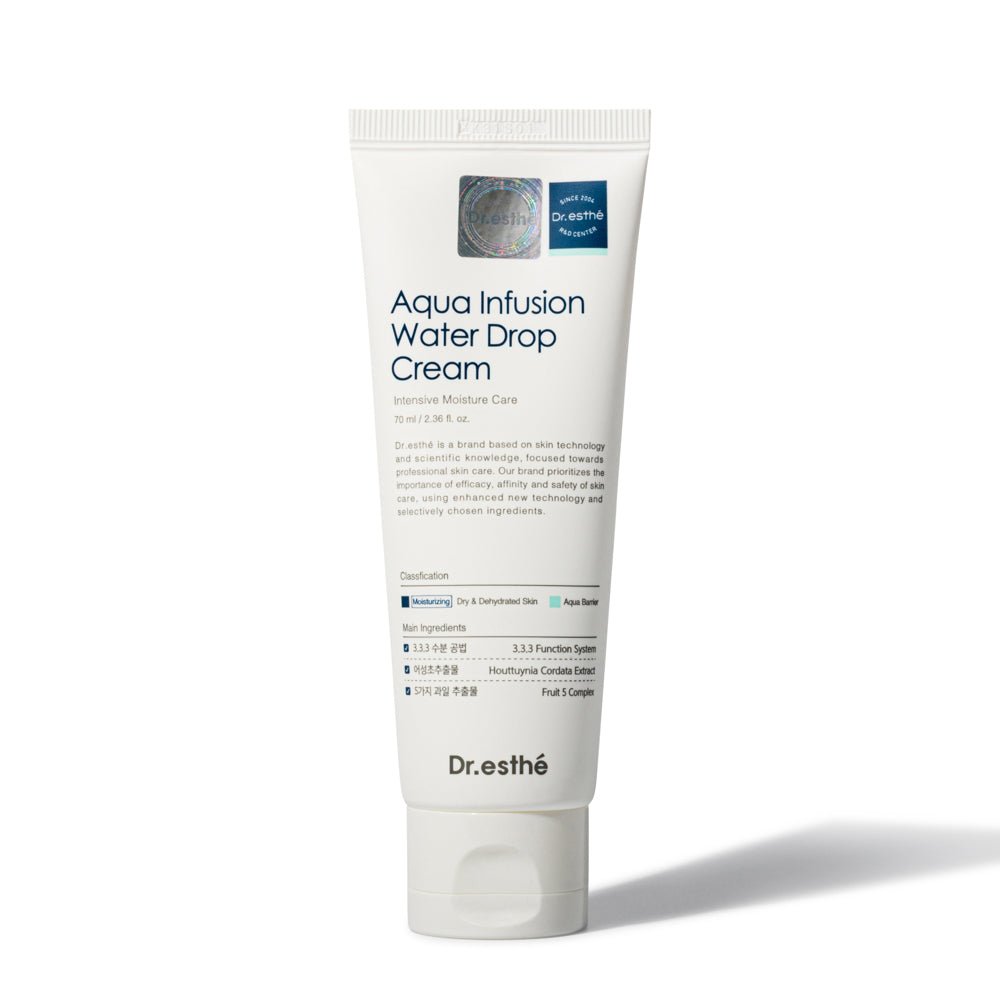
Grooming assistance covers dressing, shaving, and skin care. Helping someone dress involves choosing appropriate clothes and assisting with buttons or zippers. Shaving requires care to avoid cuts. Skin care protects against dryness and irritation. Grooming helps maintain self-esteem and social confidence.
Mobility And Toileting Support
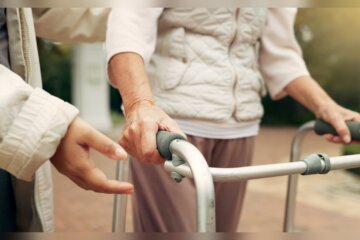
Mobility support includes helping with walking, standing, or moving from bed to chair. Toileting support involves assistance with using the toilet or changing incontinence products. These tasks need caution to prevent falls or injuries. Respect and sensitivity are important during toileting care. Helping maintain independence is key.
Nutrition Help
Nutrition help means assisting with eating or drinking. Some people need help preparing meals or feeding. Monitoring food and fluid intake supports good health. Caregivers should encourage balanced diets and watch for swallowing difficulties. Proper nutrition aids recovery and energy.
Essential Soft Skills
Essential soft skills form the heart of personal care. They go beyond technical tasks. These skills help build trust and comfort. They also improve the overall care experience. Without these skills, personal care can feel cold and mechanical. With them, it becomes kind and respectful.
Communication And Empathy
Clear communication helps caregivers understand needs. Speaking simply and listening well are key. Empathy means feeling what others feel. It helps caregivers respond with kindness and patience. This skill creates strong connections between caregiver and client.
Patience And Compassion
Personal care often takes time and understanding. Patience allows caregivers to stay calm during delays or confusion. Compassion means caring deeply about another’s comfort and feelings. Together, these skills reduce stress for both sides.
Observation And Problem-solving
Caregivers must notice small changes in health or mood. Sharp observation catches problems early. Problem-solving means finding quick, practical solutions. This skill keeps clients safe and comfortable every day.
Respect And Dignity
Respect protects personal boundaries and privacy. Caregivers should always knock before entering rooms. They must honor choices and encourage independence. Treating clients with dignity maintains their self-esteem.
Organization And Time Management
Good organization helps caregivers plan daily tasks smoothly. Managing time well ensures no care step is missed. It creates a calm, reliable routine that clients can trust.
Importance Of Personal Care Knowledge
Personal care knowledge plays a vital role in everyday life. It helps people maintain health and comfort. Understanding personal care improves quality of life for all ages. It also prevents many common health problems. This knowledge supports independence and self-confidence.
People with personal care skills can better support themselves and others. They know how to handle basic hygiene and safety. They also recognize early signs of illness. This awareness helps avoid complications and hospital visits.
Health Maintenance And Infection Prevention
Personal care knowledge helps keep the body clean and healthy. Proper hygiene routines reduce the risk of infections. Simple actions like washing hands and bathing regularly protect the skin. Careful attention to wounds and sores prevents germs from spreading. Knowing how to use personal care products safely is important. This knowledge supports overall health and comfort every day.
Boosting Self-esteem
Good personal care improves how people feel about themselves. Cleanliness and grooming create a positive self-image. Dressing neatly and caring for hair and nails boost confidence. Feeling good inside and out encourages social interaction. This helps reduce anxiety and promotes mental well-being. Personal care knowledge empowers people to take pride in themselves.
Supporting Independence Across Ages
Personal care skills help people live independently for longer. Children learn to care for themselves as they grow. Adults maintain their health and manage daily tasks. Older adults can remain active and reduce reliance on others. Knowledge of safe techniques prevents injuries and supports mobility. Personal care promotes autonomy and dignity at all life stages.
Differences Between Pca And Caregiver Roles
Understanding the differences between a Personal Care Assistant (PCA) and a caregiver helps clarify their unique roles. Both provide essential support but vary in skills and duties. These distinctions affect the type of care each offers to individuals who need help with daily tasks.
Knowing these differences guides families and clients in choosing the right help. It also highlights whether special knowledge or training is needed for personal care tasks.
Scope Of Assistance
PCAs often focus on personal care tasks like bathing, dressing, and grooming. They help with hygiene and daily living activities that require close physical support. Caregivers might offer broader help including household chores, meal preparation, and companionship. Their role can be less hands-on with personal care but covers more general support.
Level Of Specialized Training
PCAs usually receive formal training specific to personal care. This training covers safety, health monitoring, and proper techniques for assisting with bodily care. Caregivers may have less formal education but often learn on the job. Their training tends to focus on comfort, basic first aid, and emotional support rather than medical tasks.
Hands-on Care Responsibilities
PCAs perform hands-on care like helping clients move, use the bathroom, and manage hygiene needs. They must follow strict protocols to ensure client safety and dignity. Caregivers may assist with light physical tasks but often avoid more intimate care. Their role emphasizes support without direct personal care duties.

Credit: www.namioc.org
Challenges In Personal Care
Personal care involves many challenges that require special attention and skills. Caregivers face complex tasks daily. They must balance physical help with emotional support. These challenges test patience, knowledge, and adaptability. Understanding these difficulties helps improve care quality and client satisfaction.
Handling Stressful Situations
Stressful moments arise often in personal care. Clients may feel frustrated or scared. Caregivers must stay calm and patient. Quick thinking helps solve problems effectively. Managing emotions is key to providing steady support. Remaining composed builds trust and safety for clients.
Maintaining Client Privacy
Privacy is a critical concern in personal care. Clients deserve respect and dignity at all times. Caregivers should always knock before entering rooms. Personal information must be kept confidential. Protecting privacy creates a comfortable and trusting environment. It shows respect for the client’s personal space.
Adapting To Individual Needs
Each person has unique needs and preferences. Care plans must be flexible and personalized. Listening carefully helps understand specific requirements. Adjusting routines improves client comfort and cooperation. Adapting also means learning new skills as needed. This approach ensures better care and happier clients.
Career Pathways In Personal Care
Career pathways in personal care offer many options for growth and specialization. The field values both practical skills and formal knowledge. People can enter personal care with basic training and advance through certifications and experience. Understanding these pathways helps plan a rewarding career in personal care.
Certification Options
Certifications provide formal proof of skills in personal care. Common certifications include Personal Care Aide (PCA) and Certified Nursing Assistant (CNA). These programs teach essential tasks like hygiene assistance and safety protocols. Certification helps build trust with employers and clients. Many states require specific certifications for personal care workers. Completing certification programs can open doors to more job opportunities.
Advancement Opportunities
Advancement in personal care often comes from gaining experience and additional training. Workers can move into roles such as senior caregiver or care coordinator. Some may choose to specialize in areas like dementia care or palliative support. Leadership roles in care facilities become available with proven skills. Higher positions often involve more responsibility and better pay. Ongoing education supports career growth in this field.
Continuous Skill Development
Skills in personal care need constant updating to meet client needs. Learning new techniques improves care quality and safety. Workshops and online courses offer ways to stay current. Soft skills like communication and empathy remain critical throughout a career. Feedback from supervisors and clients helps identify areas for improvement. Lifelong learning keeps personal care workers effective and confident.
Frequently Asked Questions
What Education Does A Pca Need?
A PCA needs a high school diploma or equivalent. They must complete state-approved training and obtain CPR and First Aid certifications. Strong interpersonal skills help connect with clients effectively.
What Skills Do You Need For Personal Care?
Personal care skills include bathing, dressing, grooming, eating, and toileting. Essential qualities are empathy, patience, communication, observation, and respect. These skills ensure hygiene, independence, safety, and emotional well-being.
What’s The Difference Between A Pca And A Caregiver?
A PCA (Personal Care Aide) provides hands-on personal care like bathing and dressing. A caregiver offers broader support, including companionship and household tasks. PCAs often have formal training and certifications, while caregivers may not. Both assist with daily living but differ in scope and qualifications.
What Do Responsible Caregivers Need To Have Knowledge About?
Responsible caregivers need knowledge of hygiene, grooming, mobility assistance, nutrition, communication, empathy, observation, and safety protocols. They must support independence, respect dignity, and monitor health changes effectively.
Conclusion
Personal care does need some special knowledge and skills. Basic tasks like bathing and dressing require understanding and care. Important qualities include patience, respect, and good communication. These help keep people healthy and comfortable. Knowing how to assist safely prevents harm and promotes independence.
Learning these skills benefits both the caregiver and the person receiving care. Personal care is more than tasks; it’s about kindness and attention. Anyone helping others should take time to learn and practice. This knowledge makes personal care easier and more effective for all.

“As the voice behind Radiant Glow Health, we are dedicated to being your ultimate wellness and vitality companion. Our mission is to inspire and guide you on your journey to a healthier and more vibrant life. Join us as we explore holistic health practices and empower you to radiate wellness from within.”