“Should I Exercise Or Meditate First”
You wake up with a clear goal: improve your mind and body. But here’s the question that might be holding you back—should you exercise first or meditate before you move?
Both have powerful benefits, but the order you choose can change how your day feels and how effective each practice is. Imagine starting your morning energized yet calm, or finishing your workout feeling fully relaxed and centered. Which feels right for you?
Keep reading to discover how to decide the best sequence for your unique needs and unlock the full power of both exercise and meditation.
Benefits Of Morning Exercise
Starting your day with exercise offers many benefits. Morning workouts prepare your body and mind for the day ahead. They create positive momentum and help build healthy habits. Exercising in the morning can improve your physical and mental well-being in simple ways.
Here are some key benefits of morning exercise that show why many people prefer to move early.
Boosts Metabolism And Mood
Exercise wakes up your metabolism. It helps your body burn calories faster throughout the day. Physical activity also releases endorphins, which are natural mood lifters. This makes you feel happier and less stressed from the start.
Improves Focus And Energy
Morning exercise increases blood flow to the brain. This boosts alertness and concentration. You feel more awake and ready to handle tasks. It also raises your energy levels, helping you stay active longer without feeling tired.
Enhances Sleep Quality
Regular morning workouts help regulate your sleep cycle. Exercise reduces anxiety and stress that can keep you awake. It promotes deeper, more restful sleep at night. Better sleep improves your mood and energy the next day.
Builds Consistency
Exercising early creates a routine that is easy to keep. It avoids distractions that happen later in the day. Morning workouts become a habit, improving your chances of staying active long term. Consistency is key for lasting health benefits.
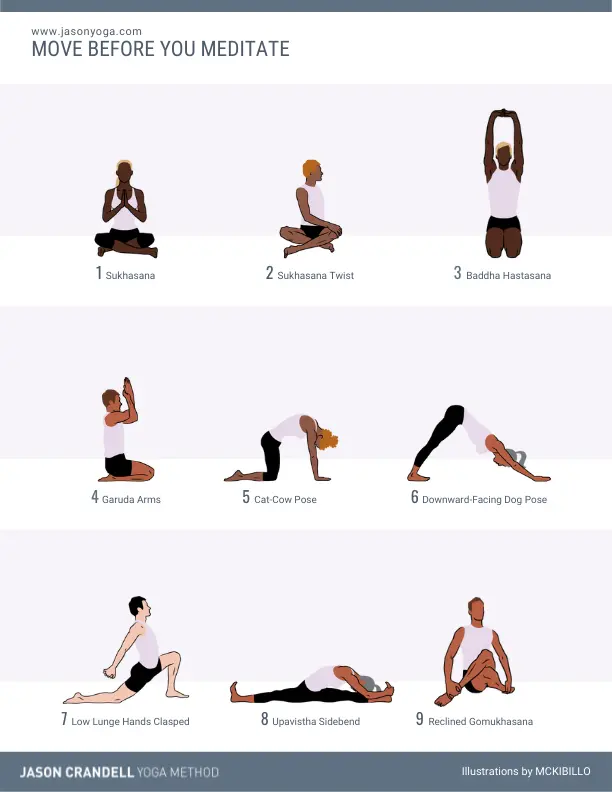
Credit: jasonyoga.com
Advantages Of Meditation
Meditation offers many benefits that support both the mind and body. It helps create a calm state that lasts beyond the session. This calmness improves focus and reduces distractions. Meditating regularly can make daily challenges easier to handle.
Adding meditation to your routine can improve overall well-being. It promotes relaxation and balances emotions. These effects complement physical exercise well. Understanding meditation’s advantages helps decide when to practice it.
Calms The Mind And Body
Meditation slows down mental chatter and soothes nerves. It creates a peaceful feeling inside. This calm state helps the body relax deeply. Muscle tension decreases, and the mind feels lighter. This effect prepares you for physical activity or recovery.
Regulates Breathing And Heart Rate
Focused meditation encourages slow, steady breathing. This control lowers heart rate naturally. A slower heart rate reduces strain on the body. It helps the body move from stress to rest. This regulation supports better endurance during exercise.
Reduces Stress Post-workout
After exercise, the body can feel stressed or tense. Meditation eases this stress by calming the nervous system. It lowers stress hormones and soothes muscles. This relaxation speeds up recovery and reduces soreness. Meditation after workouts aids both mind and body healing.
Improves Mental Clarity
Meditation clears the mind of clutter and confusion. It sharpens focus and improves decision-making. This clarity helps maintain motivation and discipline. A clear mind boosts workout quality and daily productivity. Regular practice strengthens mental strength for all tasks.
Meditate Before Exercise
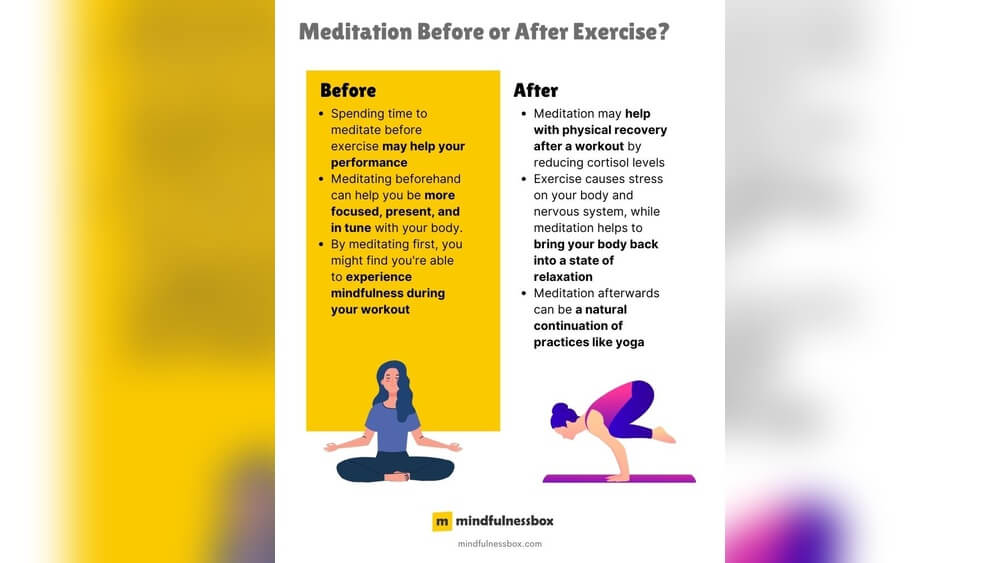
Meditating before exercise offers a calm start to your workout. It helps clear your mind and sets a peaceful tone. This quiet moment prepares you for the physical effort ahead. Meditation before moving can boost focus and reduce distractions. It creates a strong mental base for exercise.
Prepares Mind For Physical Activity
Meditation calms your thoughts and centers your mind. This mental focus primes your brain for exercise. You enter your workout calm and ready. It reduces stress and nervousness before physical effort. A clear mind helps you perform better and stay motivated.
Enhances Body Awareness
Mindful meditation increases your connection to your body. You become aware of tension and areas of stiffness. This awareness helps you move more carefully and safely. You listen to your body’s signals during exercise. It lowers injury risk and improves movement quality.
Helps Warm Up Mentally
Meditation acts like a mental warm-up before your body moves. It slows your breathing and heart rate gently. This prepares your nervous system for physical activity. A calm mind helps you ease into exercise smoothly. It also sharpens your focus for better results.
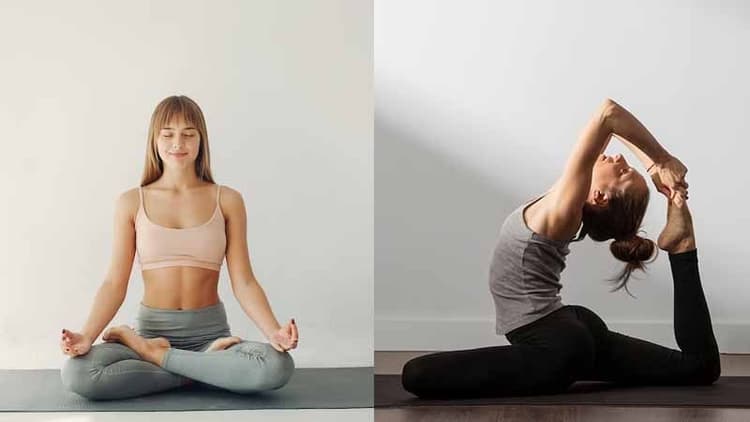
Credit: www.thewellnesscorner.com
Exercise Before Meditation
Choosing to exercise before meditation can enhance both activities. Moving your body first prepares your mind for a deeper meditation session. Physical activity warms up your muscles and clears mental clutter.
This order creates a smooth flow from energy to calmness. It can improve focus and help you relax more fully. Here are some key benefits of exercising before meditation.
Increases Meditation Depth
Exercise raises your heart rate and boosts blood flow. This helps clear your mind of distractions. After moving your body, you sit down calmer and more aware. The body feels ready to settle into stillness. Meditation becomes deeper and more effective.
Releases Endorphins For Focus
Physical activity triggers endorphin release. These natural chemicals improve your mood and reduce stress. Feeling positive helps you concentrate better during meditation. Endorphins create a natural focus boost. This makes meditation easier and more enjoyable.
Helps Transition To Relaxation
Exercise shifts your body from rest to activity. Meditation then guides you back to relaxation smoothly. This transition helps lower heart rate gradually. It calms your nervous system after movement. The body and mind relax more completely after exercise.
Health Considerations
Choosing whether to exercise or meditate first depends on your health needs. Some health conditions affect how your body responds to physical activity and relaxation. Understanding these can help you decide the best order for your routine. Always prioritize safety and comfort.
Heart Conditions And Exercise Timing
People with heart problems should be careful with intense workouts. Exercising too hard or too soon can strain the heart. Meditation before exercise helps lower heart rate gently. It prepares the heart for physical activity. Consult your doctor about the best routine for you.
Managing Blood Sugar Levels
Blood sugar control is vital for people with diabetes. Exercising on an empty stomach may cause low blood sugar. Meditating first can calm the body and reduce stress hormones. This balance helps stabilize blood sugar during exercise. Eating a light snack before working out is often recommended.
Listening To Your Body’s Signals
Notice how your body feels before starting your routine. Fatigue, dizziness, or discomfort are signs to slow down. Meditation can help you tune into these signals clearly. Exercise should follow only when you feel ready and alert. Respect your limits to avoid injury and stress.
Tips For Combining Exercise And Meditation
Combining exercise and meditation creates a balanced routine for both body and mind. This pairing enhances physical health and mental clarity. Following simple tips helps you enjoy both activities fully. Here are some key tips for blending exercise and meditation effectively.
Hydrate And Snack Appropriately
Drink water before and after exercise to stay hydrated. Eating a light snack, like fruit or nuts, helps maintain energy. Avoid heavy meals right before working out or meditating. Proper fueling supports better performance and focus.
Warm Up And Cool Down
Start with a gentle warm-up to prepare your muscles and joints. Cooling down helps your body recover and lowers heart rate gradually. Include stretching to prevent stiffness. These steps make transitioning between exercise and meditation smoother.
Avoid Overexertion
Listen to your body to prevent pushing too hard. Overexertion causes fatigue and reduces meditation benefits. Choose exercise intensity that feels comfortable, especially if new to this routine. Balance effort with relaxation for best results.
Schedule Rest Days
Rest days are essential for muscle repair and mental recovery. Use these days for gentle meditation or light stretching. Avoid intense workouts every day to prevent burnout. Consistent rest improves long-term progress and well-being.
Common Mistakes To Avoid
Avoiding common mistakes can improve your exercise and meditation routine. Mistakes can cause injury, reduce benefits, and lower motivation. Knowing what to avoid helps you stay safe and get the most from your efforts.
Skipping Warm-ups
Warm-ups prepare your body for exercise. They increase blood flow and loosen muscles. Skipping warm-ups raises injury risk and reduces workout quality. Spend at least five minutes on light activity before intense exercise.
Eating Immediately After Exercise
Eating right after exercise may upset digestion. Your body needs time to cool down first. Wait 20 to 30 minutes before a meal. Choose light, healthy snacks that help recovery and energy.
Ignoring Body Fatigue
Fatigue signals your body needs rest. Ignoring it can lead to injury or burnout. Take breaks and listen to your body’s limits. Balance exercise and meditation to support recovery and energy.
Sudden Temperature Changes
Moving quickly from hot to cold environments stresses your body. It can cause muscle cramps or shock. Cool down gradually after exercise. Avoid jumping into cold showers or cold air right away.

Credit: www.thewellnesscorner.com
Personalizing Your Routine
Creating a routine that fits your lifestyle is important for long-term success. Personalizing your exercise and meditation schedule helps you feel better and stay consistent. Each person’s body reacts differently to physical activity and quiet time. Finding what suits your energy and daily rhythm makes your routine more effective and enjoyable.
Assessing Your Energy Levels
Start by noticing how you feel at different times of the day. Some people have more energy in the morning, ready for exercise. Others feel calm and focused after meditation. Pay attention to when your body feels strongest or most relaxed. Use this to decide which activity to do first.
Experimenting With Timing
Try switching the order of exercise and meditation for a few days. Note how each change affects your mood and energy. Exercising first might boost your alertness, while meditating first can prepare you mentally. Experiment for a week or two to find the best fit for you.
Balancing Sleep And Activity
Good sleep supports both exercise and meditation benefits. Avoid cutting your rest time to fit workouts or meditation. If you feel tired, consider meditating first to ease into the day. On high-energy days, exercise first to use that strength. Balance rest and activity for steady progress.
Frequently Asked Questions
Should You Meditate First Or Exercise First?
Exercise first to boost energy and metabolism. Meditate afterward to calm your mind and aid recovery. This order enhances focus and relaxation.
Is 20 Minutes Of Meditation Equal To 4 Hours Of Sleep?
No, 20 minutes of meditation does not equal 4 hours of sleep. Sleep provides essential physical rest, while meditation mainly supports mental relaxation.
Is It Good To Exercise Immediately After Waking Up?
Exercising right after waking up boosts metabolism and mood but requires gradual waking, hydration, a light snack, and thorough warm-up. Listen to your body and avoid sacrificing sleep. People with heart issues or diabetes should consult a doctor before morning workouts.
What Not To Do Immediately After Exercise?
Avoid sitting or lying down immediately; don’t skip stretching or hydration. Avoid heavy meals, cold showers, and intense activities right after exercise.
Conclusion
Choosing whether to exercise or meditate first depends on your goals and mood. Exercise first if you want to boost energy and metabolism. Meditate first to calm your mind and prepare for activity. Some prefer to meditate after exercise to relax and lower heart rate.
Try both ways to see what suits you best. Listen to your body and keep your routine consistent. Balance matters most for a healthy mind and body.

“As the voice behind Radiant Glow Health, we are dedicated to being your ultimate wellness and vitality companion. Our mission is to inspire and guide you on your journey to a healthier and more vibrant life. Join us as we explore holistic health practices and empower you to radiate wellness from within.”