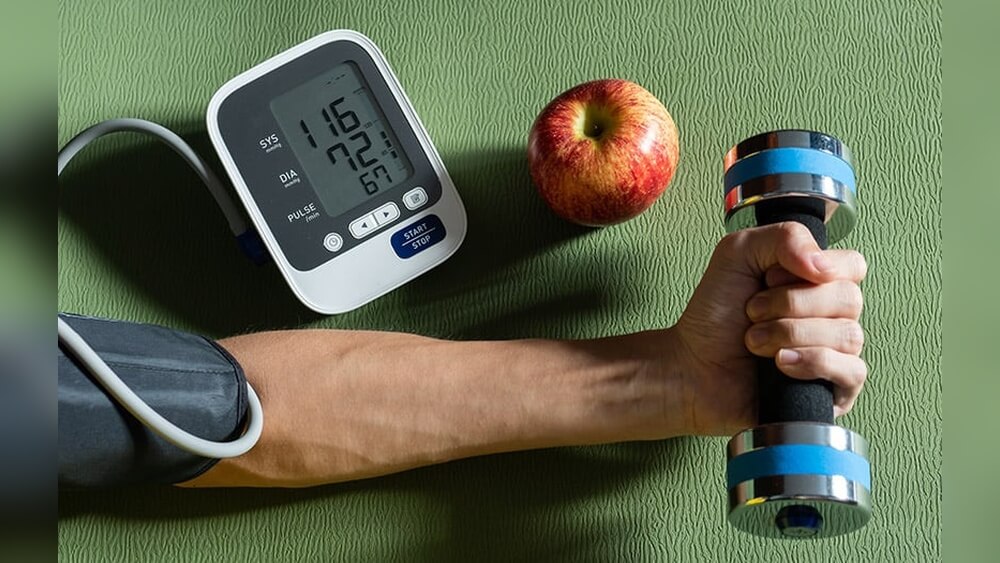
Are you living with low blood pressure and wondering if it’s safe to stay active? You might worry about feeling dizzy or fainting during a workout.
The good news is that exercising with low blood pressure is usually safe—and can even help improve your overall health. But there’s a catch: not all exercises are created equal when your blood pressure runs low. Knowing which movements to avoid and how to adjust your routine can make all the difference in staying safe and feeling strong.
Keep reading to discover practical tips that will help you exercise confidently without putting your health at risk.
Credit: sprintmedical.in
Risks Of Exercising With Low Blood Pressure
Exercising with low blood pressure carries certain risks that need attention. Low blood pressure means the heart may not pump enough blood to the brain and muscles during activity. This can cause problems that affect safety and performance. Understanding these risks helps manage exercise routines better and stay safe while being active.
People with low blood pressure should watch out for symptoms and avoid sudden or intense movements. Knowing common risks can guide safe exercise choices and prevent accidents or health issues.
Dizziness And Fainting
Dizziness is common during exercise with low blood pressure. Blood flow to the brain may drop, causing lightheadedness. This can lead to fainting, especially during or after sudden movements. Fainting during exercise can cause falls and injuries. It is important to stop and rest if dizziness appears. Slow movements and steady breathing help reduce this risk.
Orthostatic Hypotension
Orthostatic hypotension happens when blood pressure falls quickly after standing up. This causes weakness, blurred vision, or fainting. Exercises with fast position changes increase this risk. Moves like burpees or sudden sit-ups can trigger orthostatic hypotension. Taking time to rise slowly and holding onto support reduces symptoms. Avoiding rapid transitions keeps blood pressure more stable.
Impact Of Heat And Dehydration
Heat and dehydration worsen low blood pressure effects during exercise. Hot weather causes blood vessels to dilate, lowering pressure further. Dehydration reduces blood volume, making symptoms stronger. This leads to tiredness, dizziness, and fainting risks. Drinking water before and during workouts helps keep blood pressure steady. Exercising in cool, shaded areas also reduces problems from heat.
Credit: www.nature.com
Exercises To Avoid
With low blood pressure, some exercises can cause dizziness or fainting. Avoid movements that make blood flow drop suddenly. This section highlights exercises to avoid for safety and comfort.
Rapid Position Changes
Quickly moving from lying or sitting to standing can cause lightheadedness. Exercises like burpees and jump squats include fast position changes. These can trigger a sudden drop in blood pressure. Slow and steady movements are safer for those with low blood pressure.
Head Below Heart Movements
Any movement placing your head below your heart may cause dizziness. Yoga inversions, crunches, and bent-over rows are examples. These positions reduce blood flow to the brain. Avoid such exercises if you feel weak or faint.
High-intensity Interval Training
HIIT workouts involve short bursts of intense activity. This can cause blood pressure to drop sharply after exercise. The sudden changes stress your heart and circulation. Choose moderate intensity workouts instead of HIIT for better safety.
Abrupt Stops In Cardio
Stopping cardio exercises suddenly can make blood pool in your legs. This leads to dizziness or fainting. After running or cycling, cool down slowly by walking or gentle stretching. Avoid jumping off the treadmill or bike without a gradual slowdown.
Safe Exercise Options
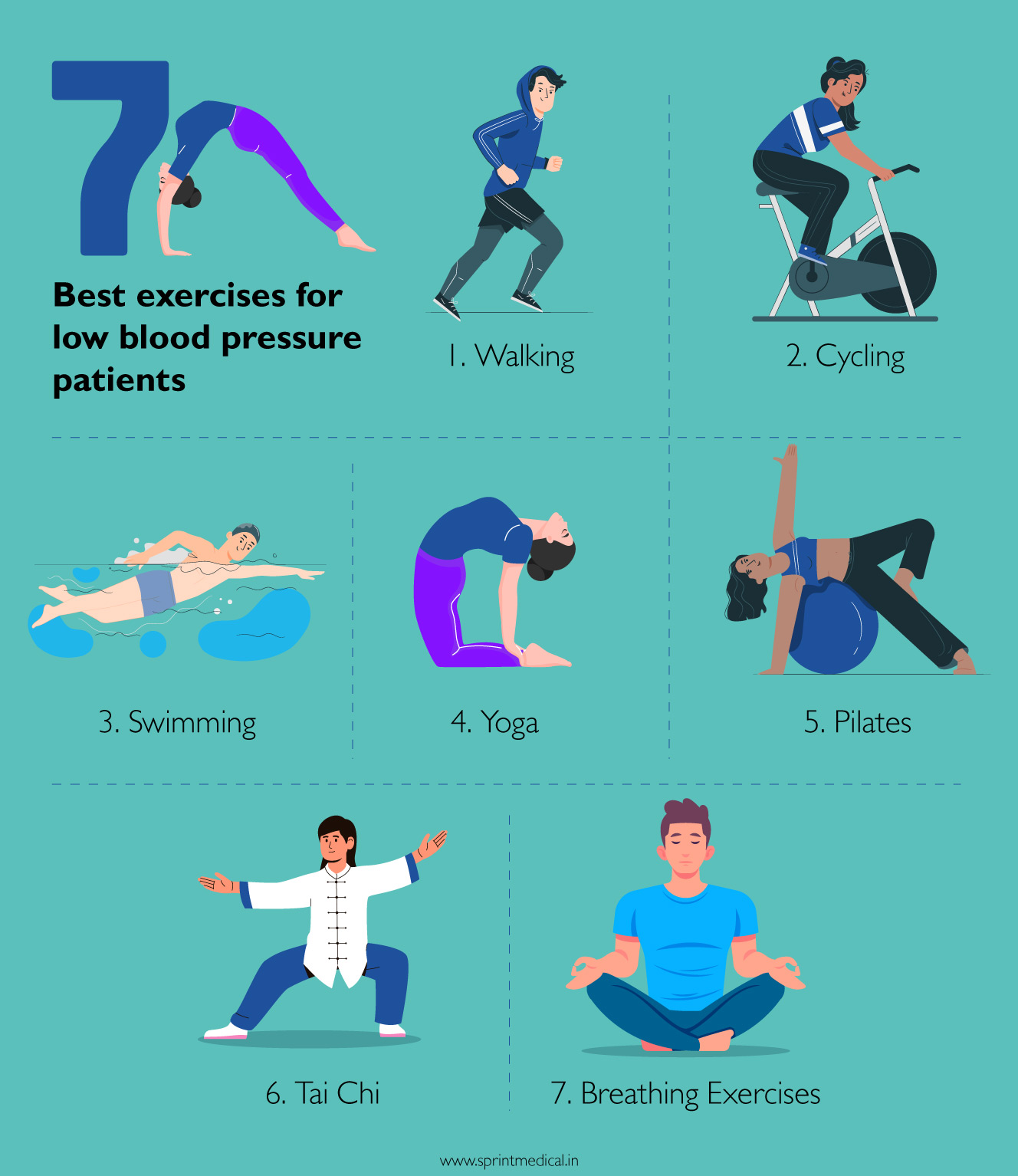
Choosing the right exercises is important for people with low blood pressure. Safe options help maintain balance and avoid dizziness or fainting. These exercises keep your body moving steadily without sudden changes in posture or intensity. Focus on activities that support circulation and are easy to control. Here are some safe exercise options you can try.
Swimming And Water Activities
Swimming is gentle on the joints and supports your body in water. The water pressure helps improve blood flow and reduces strain. It allows smooth, controlled movements without sudden shifts in position. Water activities lower the chance of dizziness since you stay horizontal or slightly inclined. Swimming also cools your body, preventing overheating during exercise.
Seated Cycling And Walking
Seated cycling offers a stable position for your workout. It avoids quick standing or bending that might cause lightheadedness. This exercise helps build leg strength and improves circulation safely. Walking at a moderate pace is another good option. Keep your steps steady and avoid hills or uneven ground. Both exercises allow slow, steady heart rate increases.
Isometric Exercises
Isometric exercises involve holding positions without movement. These exercises strengthen muscles without large changes in blood pressure. Examples include wall sits, planks, and static arm holds. They help maintain muscle tone and stability safely. Isometric workouts reduce the risk of sudden dizziness linked to fast movements or posture changes.
Tips For Exercising Safely
Exercising with low blood pressure requires careful attention to safety. Following simple tips helps prevent dizziness and fainting. These strategies support steady blood flow and reduce sudden drops in pressure. Prioritize comfort and awareness during workouts to maintain wellbeing.
Gradual Warm-up And Cool-down
Start exercise with a slow warm-up to prepare your heart and muscles. Gentle movements increase blood flow gradually. Avoid jumping directly into intense activity.
End your workout with a slow cool-down. This helps blood return to the heart evenly. Marching in place or gentle walking works well.
Slow Transitions Between Positions
Change positions slowly, especially from lying or sitting to standing. Sudden moves may cause lightheadedness or fainting.
Hold onto a stable surface when standing up quickly. This gives your body time to adjust.
Staying Hydrated
Drink plenty of water before, during, and after exercise. Dehydration lowers blood pressure and increases risk.
Carry a water bottle to sip regularly. Avoid caffeine or alcohol before workouts.
Listening To Your Body
Pay close attention to how you feel during exercise. Stop immediately if you feel dizzy, weak, or nauseous.
Rest or lie down if symptoms appear. Do not push through discomfort or warning signs.
When To Seek Medical Advice
Knowing when to seek medical advice is crucial for exercising safely with low blood pressure. Low blood pressure can cause symptoms that affect your ability to exercise. Ignoring these signs may lead to serious health risks. Understanding the warning signs and adjusting your exercise plan can help maintain your safety and well-being.
Symptoms That Require Attention
Watch for dizziness, fainting, or severe fatigue during exercise. Sudden blurred vision or chest pain also needs urgent care. Feeling weak or confused are important signals. These symptoms mean your blood pressure may be too low for safe activity. Stop exercising and consult a healthcare provider immediately.
Tailoring Exercise Plans
Doctors can help design safe exercise routines for low blood pressure. A plan that avoids rapid position changes reduces dizziness risk. Low-impact activities like walking or swimming may be recommended. Gradual warm-ups and cool-downs help stabilize blood pressure. Personalized advice ensures you stay active without danger.
Monitoring Blood Pressure Levels
Regularly check your blood pressure before and after workouts. Keep a log to track changes and symptoms. Use a reliable monitor and follow correct measuring steps. Share your readings with your doctor to adjust your plan. Monitoring helps prevent unexpected drops during exercise.
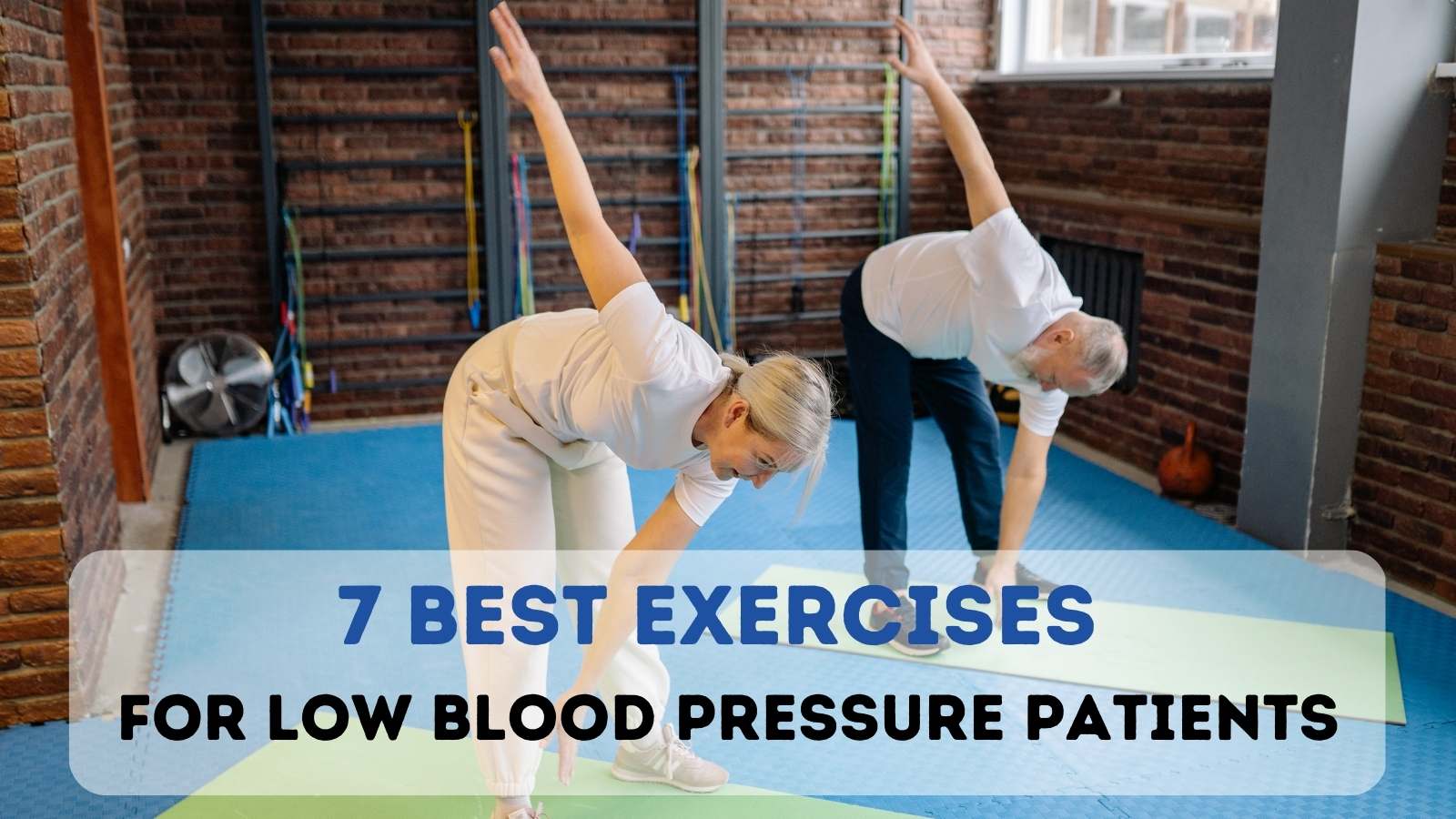
Credit: sprintmedical.in
Frequently Asked Questions
What Exercises Should Be Avoided With Low Blood Pressure?
Avoid exercises with rapid position changes like burpees or jump squats. Skip intense yoga inversions, heavy bench presses, and sudden cardio stops. Steer clear of high-intensity interval training and workouts in hot, humid conditions to prevent dizziness and fainting.
Is It Better To Rest Or Exercise With Low Blood Pressure?
Rest during dizziness or faintness caused by low blood pressure. Otherwise, engage in gentle exercises like walking or swimming. Always warm up, hydrate, and avoid sudden position changes to prevent symptoms. Consult a doctor for personalized advice.
At What Blood Pressure Should You Not Exercise?
Avoid exercise if blood pressure is 180/120 mmHg or higher. Such levels increase health risks during physical activity. Consult a doctor before exercising with high blood pressure.
What Exercises Are Good For Low Blood Pressure?
Gentle exercises like walking, swimming, and seated cycling help manage low blood pressure. Warm up slowly and stay hydrated. Avoid rapid position changes and intense workouts to prevent dizziness or fainting. Always listen to your body and consult a doctor for personalized advice.
Conclusion
Exercising with low blood pressure can be safe when done carefully. Choose gentle activities like walking, swimming, or cycling. Avoid sudden movements that may cause dizziness or fainting. Always warm up slowly and cool down after workouts. Drink plenty of water to stay hydrated.
Pay close attention to how your body feels during exercise. Stop and rest if you feel weak or lightheaded. Talk to your doctor before starting any new exercise plan. Staying cautious helps you stay active and healthy without risks.

“As the voice behind Radiant Glow Health, we are dedicated to being your ultimate wellness and vitality companion. Our mission is to inspire and guide you on your journey to a healthier and more vibrant life. Join us as we explore holistic health practices and empower you to radiate wellness from within.”